Socceroos Eliminated from World Cup After Loss; Coach Defends Substitution
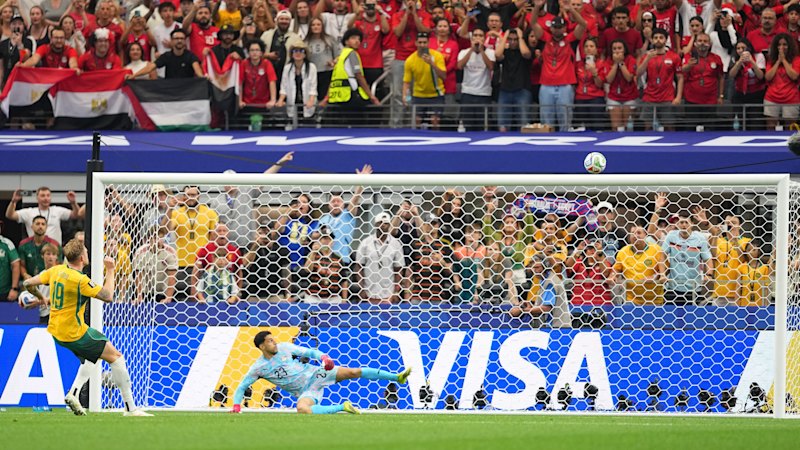
The Australian men's national football team, the Socceroos, has been eliminated from the World Cup, failing once again to secure a victory in the knockout stage. The team's journey ended following a recent match where they were unable to advance further in the tournament. Coach Tony Popovic addressed the media following the defeat, specifically defending his decision to substitute Patrick Beach during the crucial game. Popovic stated that the substitution was a tactical choice made with the intention of improving the team's performance or securing a different outcome. However, the team's inability to achieve a knockout stage win persists, marking another disappointing campaign in their World Cup history. The specific details of the match, including the opponent and the final score, were not provided in the original text. The outcome means the Socceroos will not progress to the next round of the competition. The coach's defense of his personnel decisions highlights the intense scrutiny faced by management during major tournaments. This result continues a long-standing challenge for the Australian team in achieving success at the highest level of international football.
The Socceroos' consistent inability to secure a knockout stage victory at the World Cup points to potential systemic challenges in player development, tactical adaptability, or competitive depth compared to elite international programs. Coach Popovic's defense of a specific substitution, while a standard post-match response, underscores the pressure to optimize performance within narrow margins. Looking ahead, sustained investment in grassroots football, advanced analytics for player performance, and strategic international partnerships could be crucial for bridging the gap. The team's performance trajectory will likely be influenced by evolving global football trends and the ability to integrate emerging talent effectively within a competitive international framework over the next decade.
AI-generated to prompt reflection — not editorial opinion, not advice, not a statement of fact. How this works.