Social activist Sonam Wangchuk's hunger strike enters third week, raising health concerns
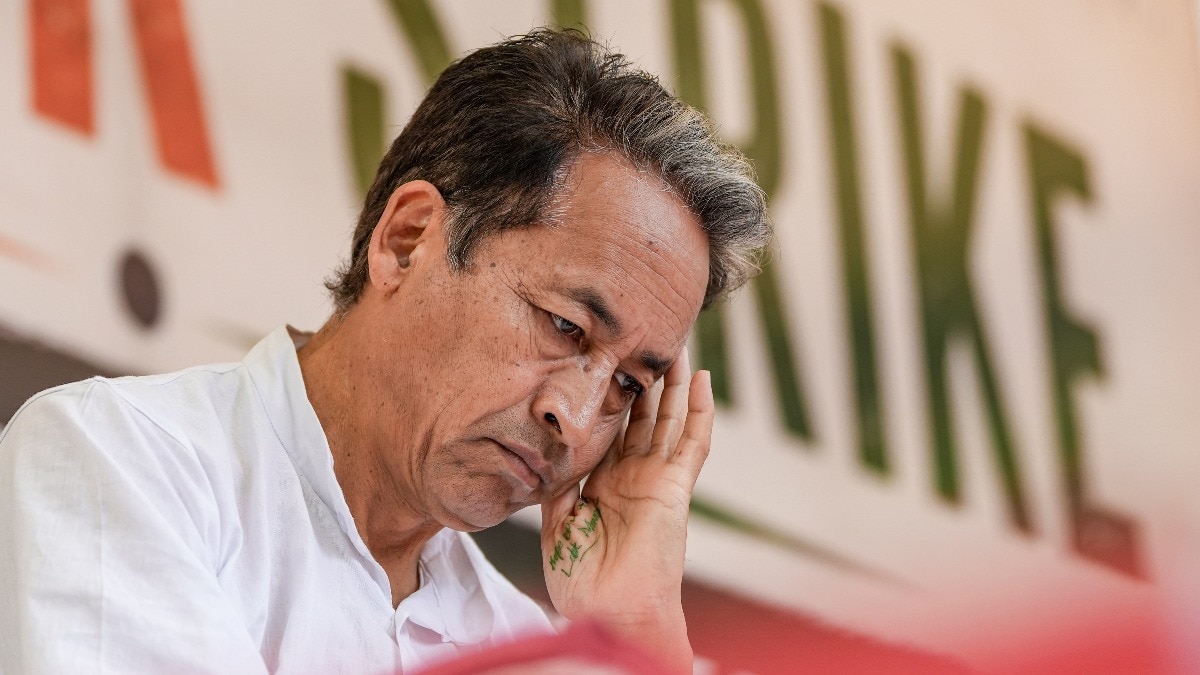
Social activist Sonam Wangchuk's hunger strike at Delhi's Jantar Mantar has now surpassed two weeks, leading to significant concerns about his health. The prolonged protest has prompted medical experts to discuss the human body's capacity to endure fasting and the critical points at which health deteriorates. Wangchuk, known for his environmental advocacy, began his hunger strike to protest against the alleged neglect of the Himalayas by the Indian government. His protest is part of a larger movement advocating for the protection of the Himalayan region and the rights of its inhabitants. The duration of his fast raises serious questions about the physiological limits of endurance and the potential long-term consequences for his well-being. Medical professionals are closely monitoring his condition, emphasizing the risks associated with extended periods without food. The situation highlights the extreme measures individuals may resort to when seeking attention for critical environmental and social issues.
The extended hunger strike by Sonam Wangchuk at Jantar Mantar, Delhi, highlights the escalating use of personal physical sacrifice as a tactic to draw attention to environmental and governance issues. While such actions can galvanize public opinion and pressure policymakers, they also carry inherent health risks for the individual. From a systemic perspective, the necessity for citizens to resort to such extreme measures suggests potential gaps in established channels for dialogue and redressal of grievances. The long-term efficacy of hunger strikes in achieving policy change is debatable, often depending on external factors like media coverage and political will. Future governance models might benefit from exploring more proactive and inclusive mechanisms to address citizen concerns before they reach a crisis point, ensuring that the well-being of both citizens and the environment are prioritized through sustainable policy frameworks rather than prolonged personal hardship.
AI-generated to prompt reflection — not editorial opinion, not advice, not a statement of fact. How this works.