Social media fuels migrant crisis in Spain, igniting political storm
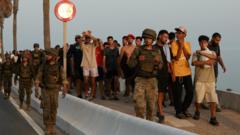
BBC correspondent Sarah Rainsford reports that the surge in illegal border crossings into the Spanish city of Ceuta has sent political shockwaves across Europe. This event has starkly illuminated the deep divisions within the continent regarding the sensitive issue of migration. The influx of migrants has destabilized the political landscape, forcing governments to confront the complex challenges of border security and humanitarian responsibilities. The situation in Ceuta highlights the growing pressure on European nations to develop cohesive and effective immigration policies. International bodies and NGOs are closely monitoring the developments, calling for humane treatment of migrants and sustainable solutions. The political fallout continues to unfold, with debates intensifying over national sovereignty and the ethical obligations towards asylum seekers. This crisis underscores the interconnectedness of global migration patterns and their profound impact on regional stability and political discourse.
The migrant surge into Ceuta, amplified by social media, has exposed underlying political fragilities within Europe concerning immigration. This event serves as a case study in how digital platforms can rapidly escalate humanitarian situations into significant geopolitical challenges, influencing public opinion and policy responses. The situation highlights a recurring tension between national border control imperatives and international refugee conventions. Future policy frameworks will need to address the dual pressures of managing physical borders while navigating the pervasive influence of online information ecosystems. The long-term implications involve reassessing cooperative strategies among EU member states to ensure a more unified and resilient approach to migration management in the coming decade.
AI-generated to prompt reflection — not editorial opinion, not advice, not a statement of fact. How this works.