Social Media Influence vs. Morality: A Nepali Case Study
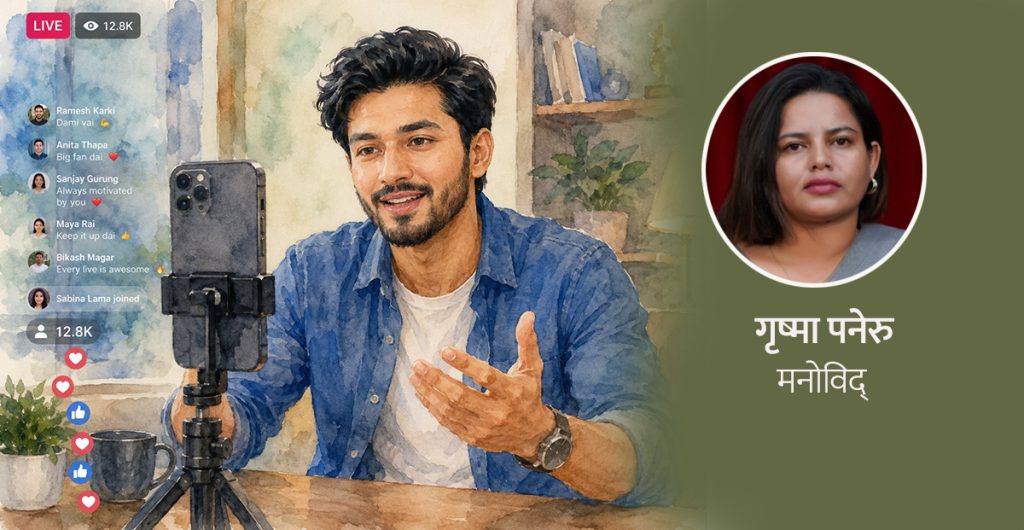
A recent incident involving a social media personality known as 'Nepali Bro' has shocked the nation after he allegedly murdered his wife. This individual commanded a massive following, with hundreds of thousands of people engaging with his content and viewing him as an influential figure. The tragedy has reignited a crucial debate about the ethical responsibilities of social media influencers and the potential disconnect between online personas and real-world actions. It raises questions about the standards and accountability expected from those who wield significant influence over large audiences. The incident serves as a stark reminder of the potential consequences when online popularity overshadows fundamental moral principles. This event highlights the complex relationship between digital fame and personal conduct, prompting a re-evaluation of how society perceives and engages with online personalities. The widespread shock underscores the deep impact such events can have on public consciousness and the trust placed in digital influencers. It compels a broader discussion on the vetting and ethical guidelines for individuals who shape public opinion through social media platforms.
This event prompts an examination of the societal structures that amplify online personalities, irrespective of their underlying conduct. The immense follower count suggests a powerful incentive for content creation and engagement, potentially overshadowing ethical considerations. The incident highlights a systemic vulnerability where influence is derived from audience metrics rather than demonstrated character or accountability. Moving forward, this raises questions about the mechanisms for ensuring that digital influence is coupled with robust ethical frameworks and real-world responsibility. The challenge lies in developing systems that can better align online visibility with offline integrity, particularly given the rapid growth of influencer culture and its impact on societal norms over the next decade.
AI-generated to prompt reflection — not editorial opinion, not advice, not a statement of fact. How this works.