Social Media's Influence on Politics
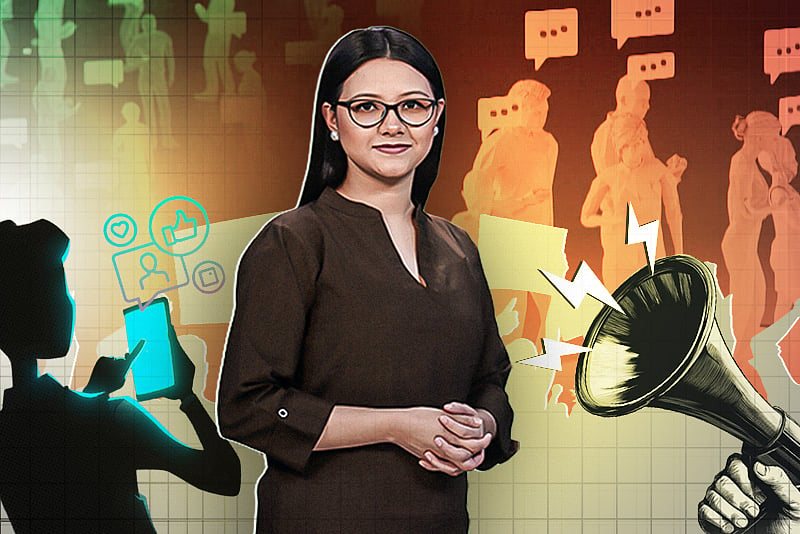
Online content is often not neutral, but rather filtered, divisive, or sometimes distorted. This manipulation of information can significantly impact political discourse and public opinion. Users are frequently exposed to curated feeds that reinforce existing beliefs, creating echo chambers. This selective presentation of information can lead to polarization and hinder constructive dialogue. The spread of misinformation and disinformation further complicates the landscape, making it difficult for citizens to make informed decisions. Political actors may exploit these platforms to sway public sentiment through targeted campaigns. The inherent nature of social media algorithms often prioritizes engagement over accuracy, exacerbating these issues. Therefore, critical evaluation of online political content is essential for a healthy democracy.
Social media platforms have become powerful conduits for political information, but their algorithmic structures and user-generated content often create filtered realities. This dynamic can amplify polarization by prioritizing engagement and reinforcing existing biases, potentially leading to a less informed electorate. The challenge lies in fostering digital literacy and platform accountability to ensure a more balanced and accurate dissemination of political discourse. Future governance models will need to address the systemic incentives that drive content amplification and consider mechanisms for promoting diverse perspectives and factual accuracy in the digital public square.
AI-generated to prompt reflection — not editorial opinion, not advice, not a statement of fact. How this works.