Social Media Shutdowns: The Real Cost to Gabon
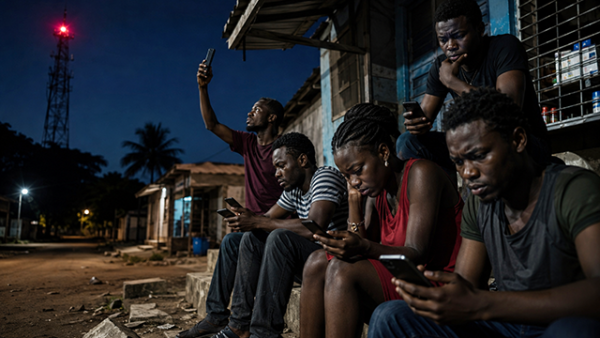
The government's decision to slow down internet speeds, effectively suspending social media access, is disproportionately penalizing the entire population in response to the actions of a few. This measure, implemented in Gabon, is seen as detrimental to the country's overall appeal and economic activity. The article draws an analogy, stating that the recklessness of one driver does not lead to road closures, nor does the dishonesty of one merchant result in a ban on all commercial activities. Despite this, such broad-stroke measures are being employed against internet users. The author implies that this approach is not only unfair but also counterproductive, hindering the nation's progress and reputation.
The decision to throttle internet access and suspend social media platforms represents a significant intervention in digital communication infrastructure. While ostensibly aimed at curbing misuse, such broad restrictions can stifle legitimate economic activity, hinder freedom of expression, and damage a nation's international image as a place for business and innovation. In the current global landscape, where digital connectivity is increasingly tied to economic competitiveness and civic engagement, these measures may create long-term disadvantages. Governments face a persistent challenge in balancing security concerns with the imperative to foster an open and dynamic digital environment, particularly as the world moves further into the AI era where data flow and connectivity are paramount.
AI-generated to prompt reflection — not editorial opinion, not advice, not a statement of fact. How this works.