Social Project 'Abraço Atípico' Provides Support Network for Families with Atypical Children in São Paulo
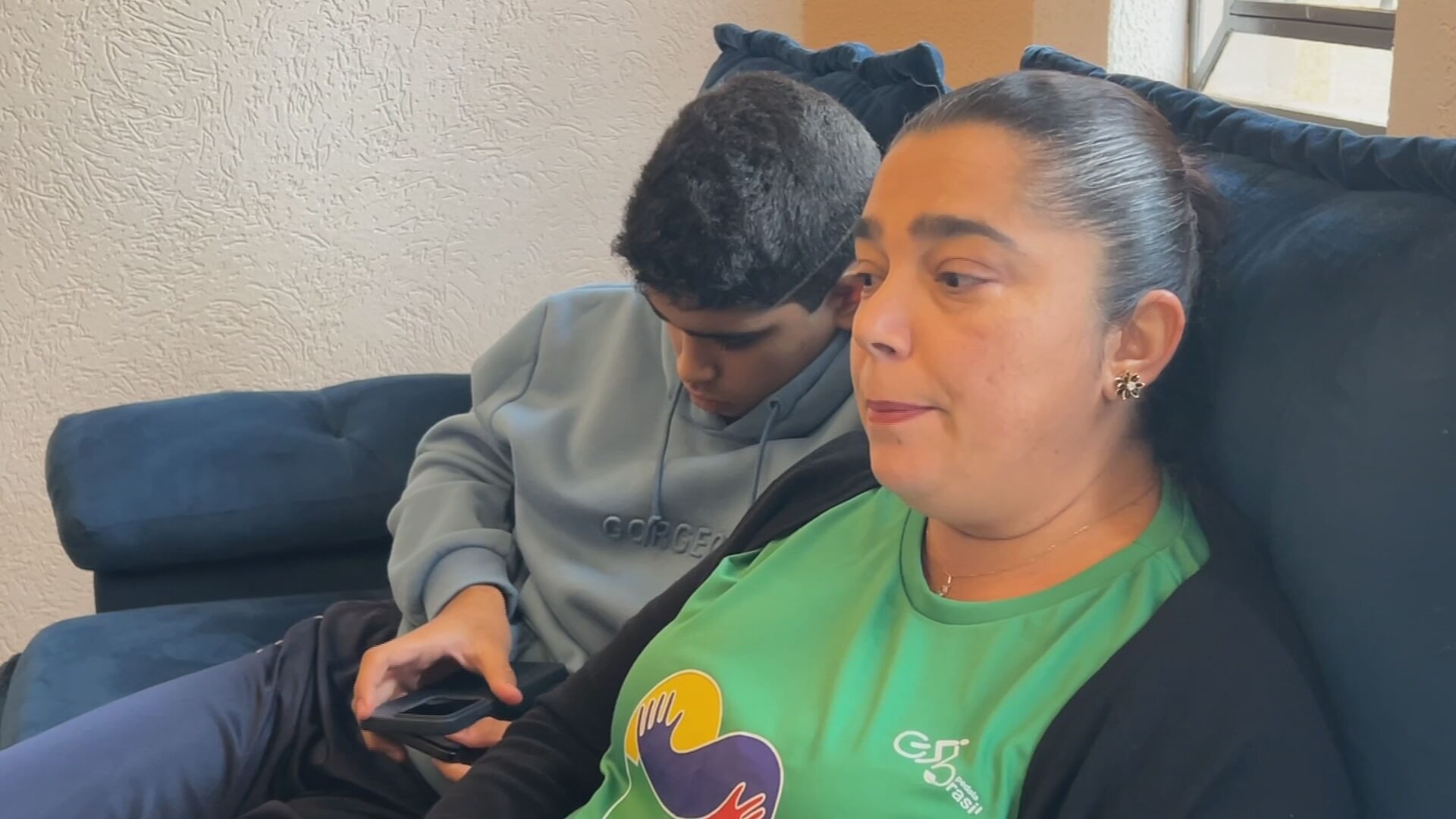
In Irapuã, São Paulo, a social project named 'Abraço Atípico' has been established to support families raising children and adolescents with atypical needs. Many parents in the region struggle to access specialized care for conditions such as Autism Spectrum Disorder (ASD) and Attention Deficit Hyperactivity Disorder (ADHD). Vanessa Rosconi, a mother whose 15-year-old son has ASD, moved to Irapuã a year ago and has found maintaining his treatment challenging due to the lack of adequate services. Similarly, Maria Soarez faces difficulties accessing care for her ten-year-old daughter with ADHD and her thirteen-year-old daughter with anxiety. The project was founded two years ago by sisters Mônica Gonzalez Lima and Gislaine Gonzales Santos, who recognized this gap in services. 'Abraço Atípico' acts as a support and reception network, guiding families and connecting them with medical professionals and therapists. With the help of local partners, the initiative currently assists over 60 families, offering all services free of charge. The project also focuses on promoting inclusion through sports and activities, such as cycling classes. The sisters are working to establish a dedicated center in their former family home, aiming to create a suitable structure with a multidisciplinary team to serve individuals with atypical needs in Irapuã and surrounding areas. They hope to complete the renovation and expand their services soon.
The 'Abraço Atípico' project highlights a critical gap in specialized care for atypical children in the northwestern São Paulo region, demonstrating the vital role of community-led initiatives when public or private sector services are insufficient. The project's success in mobilizing local partnerships and providing free support underscores the significant unmet demand and the potential for scalable, grassroots solutions. As AI and technological advancements continue to evolve, there is an opportunity to integrate assistive technologies and remote therapeutic services to further enhance accessibility and support for these families, potentially reducing geographical barriers and improving the quality of care. This initiative also serves as a model for how social capital can be leveraged to address systemic deficits in healthcare and social support infrastructure, offering a sustainable pathway for future development.
AI-generated to prompt reflection — not editorial opinion, not advice, not a statement of fact. How this works.