Social Reforms: Voigt Urges Consideration of Eastern German Living Conditions
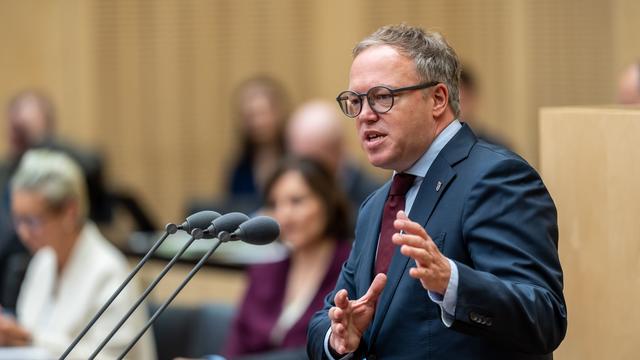
Social Democratic Party (SPD) leader Lars Klingbeil has called for a comprehensive reform of social benefits, emphasizing the need for a new social security system. He stated that the current system is outdated and needs to be adapted to the challenges of the 21st century. Klingbeil specifically mentioned the "Bürgergeld" (citizen's income) as a central element of these reforms, aiming to provide a more efficient and humane safety net. The SPD leader also highlighted the importance of integrating refugees and long-term unemployed individuals into the labor market through these reforms. He stressed that the goal is not just to provide financial assistance but also to offer support for reintegration and participation in society. The reforms are intended to simplify the bureaucracy and ensure that those in need receive timely and adequate support. Klingbeil also pointed out that the reforms should address the increasing cost of living and ensure that social benefits keep pace with inflation. The SPD aims to present a concrete proposal for the new social security system in the coming months, with the intention of implementing it as soon as possible.
The proposed social reforms by the SPD, focusing on a new "Bürgergeld" and integration of vulnerable populations, aim to modernize Germany's social safety net. This initiative reflects a broader trend in developed economies grappling with the challenges of an aging population, automation, and evolving labor markets. The success of these reforms will likely hinge on balancing fiscal sustainability with the goal of providing adequate support and fostering labor market participation. Future iterations may need to consider the long-term impact of technological displacement and the potential for new forms of social contract in an increasingly digital and globalized world.
AI-generated to prompt reflection — not editorial opinion, not advice, not a statement of fact. How this works.