Social Security: A Humanist Institution Built on Collective Risk Sharing
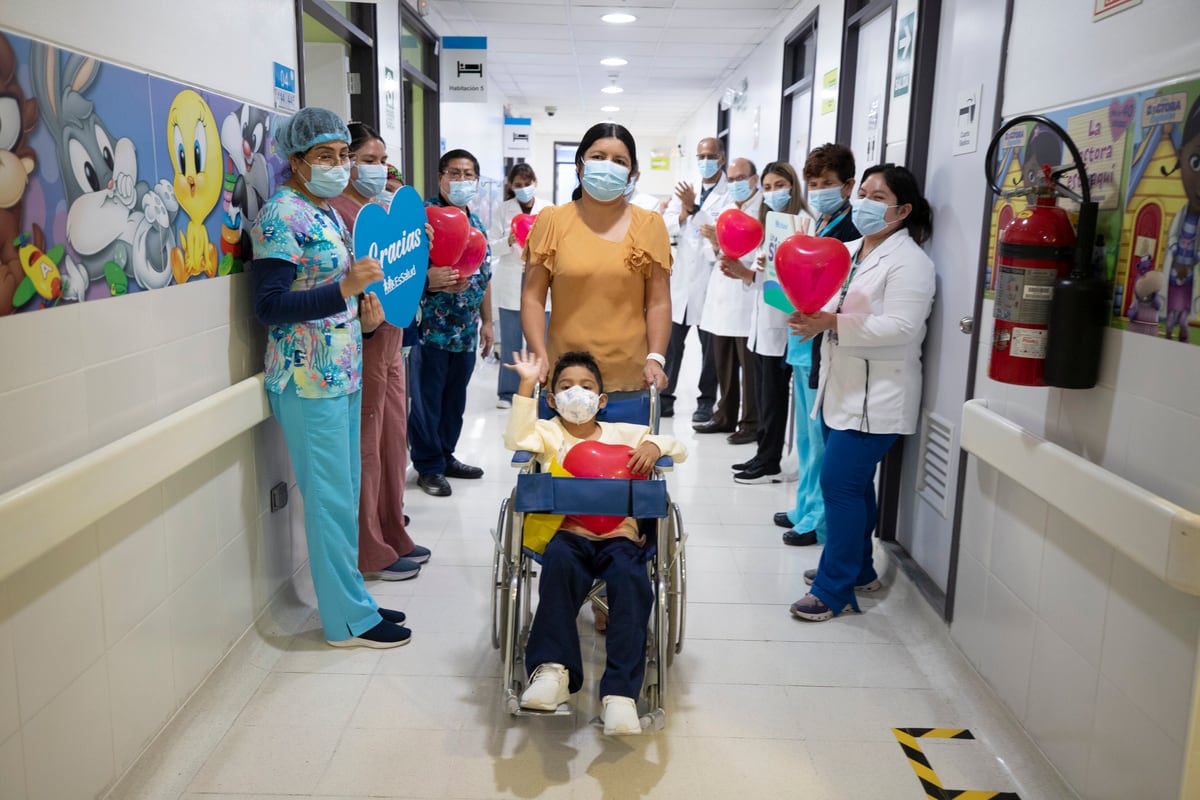
Social security is not a state handout or charity, but a societal promise to protect individuals against life's vulnerabilities, such as illness, disability, and old age. This collective pact is founded on the principle of solidarity, which involves sharing not just resources but also risks. Current workers contribute to support those in need, with the understanding that future generations will reciprocate. This intergenerational agreement acknowledges that human dignity is independent of age, health, or productivity.
Beyond healthcare, social security functions as a vital social institution that safeguards a nation's human capital, provides family stability, and honors the contributions of workers. It embodies contemporary humanism by organizing resources and policies to ensure protection during times of vulnerability. In Peru, the Social Health Insurance (EsSalud) is primarily responsible for fulfilling this mission. The start of a new government presents an opportunity to assess if EsSalud is upholding its foundational principles.
While public discussions often focus on issues like long waiting lists for specialized care or surgeries, these are symptoms of a larger challenge. Delays in medical services, underutilized operating rooms, and the misallocation of hospital resources not only postpone care but also erode public trust and waste community funds. The true objective for Peru's social security system is to honor the solidarity pact, not just to increase patient numbers.
Achieving this requires a long-term perspective. The success of social security should be measured by its ability to prevent illness through healthy lifestyle promotion, early risk factor identification, and strengthening primary care. Efficiently organizing healthcare networks, improving referral systems, and transparently utilizing complementary mechanisms are crucial for respecting the time, dignity, and trust of insured individuals. EsSalud possesses valuable institutional knowledge and successful management models that should be leveraged and refined, rather than starting anew. Social security operates on a generational timescale, not a governmental one, and its institutions must be preserved to ensure future responses to vulnerability are characterized by organized solidarity, dignity, and justice.
The concept of social security, as presented, frames it as a fundamental pillar of societal progress and a manifestation of humanism, built upon the principle of shared risk and intergenerational solidarity. The analysis suggests that the effectiveness of such systems, exemplified by Peru's EsSalud, hinges not merely on service delivery volume but on upholding the underlying doctrine of collective protection. Challenges like waiting lists are viewed as systemic indicators rather than isolated operational failures. The piece advocates for a strategic shift towards prevention and efficient resource management, emphasizing that institutional learning and long-term vision, extending beyond political cycles, are critical for sustaining public trust and fulfilling the promise of social security. This perspective highlights the inherent tension between short-term political imperatives and the generational commitment required for robust social welfare systems.
AI-generated to prompt reflection — not editorial opinion, not advice, not a statement of fact. How this works.