Social Thermalism Project Offers Free Thermal Water Treatments to SUS Patients in Águas de Lindóia
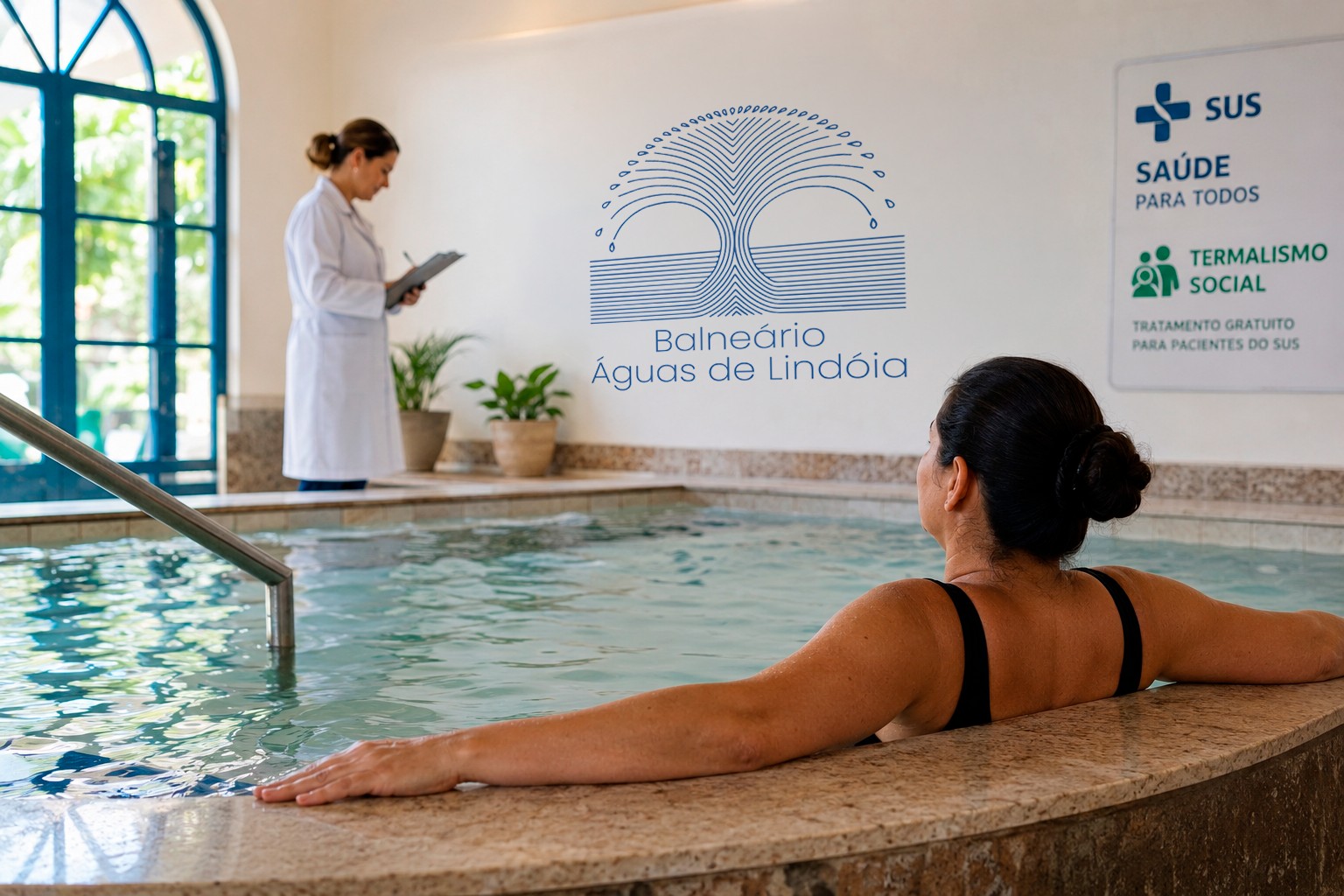
The "Termalismo Social" (Social Thermalism) project in Águas de Lindóia, Brazil, is now providing free thermal water treatments to patients of the Unified Health System (SUS). This initiative transforms the region's mineral water, known for its tourist appeal, into a public health resource. Patients referred by basic health units undergo evaluations by qualified professionals to determine the most suitable therapy based on their clinical history and needs.
Therapeutic options include thermal baths, recommended for chronic pain, arthritis, arthrosis, skin conditions, circulatory problems, and post-orthopedic surgery recovery. The mineral water, rich in silicon, boasts antioxidant properties beneficial for skin, muscle relaxation, and overall well-being. Additionally, the project offers crenotherapy, involving the ingestion of mineral water, primarily for patients with Chronic Kidney Disease. This 21-day protocol has shown positive results in eliminating kidney stones and improving renal function, with ongoing research in partnership with the University of São Paulo's IPEN.
The project gains historical significance as Águas de Lindóia prepares to commemorate the 1926 visit of Nobel laureate scientist Marie Curie, who scientifically validated the therapeutic properties of the local mineral waters. Her research established Águas de Lindóia as a health-focused destination, and a century later, this project continues that legacy by making the benefits of these mineral waters accessible to public health patients, linking science, public health, and quality of life.
This initiative leverages a natural resource and historical scientific validation to enhance public health outcomes for SUS patients. By integrating therapeutic thermal waters into the public healthcare system, the project addresses a range of chronic and recovery-related conditions, potentially reducing the burden on conventional medical treatments. The collaboration with IPEN and USP for research indicates a commitment to evidence-based practice and further scientific understanding of the water's efficacy. The project's alignment with the centenary of Marie Curie's visit adds a layer of cultural and scientific heritage, potentially boosting local tourism while reinforcing the health benefits. Future considerations might include scaling this model to other regions with similar natural resources and exploring long-term cost-effectiveness within the SUS framework.
AI-generated to prompt reflection — not editorial opinion, not advice, not a statement of fact. How this works.