Social worker recounts care for abused 1-year-old who died in Sorocaba
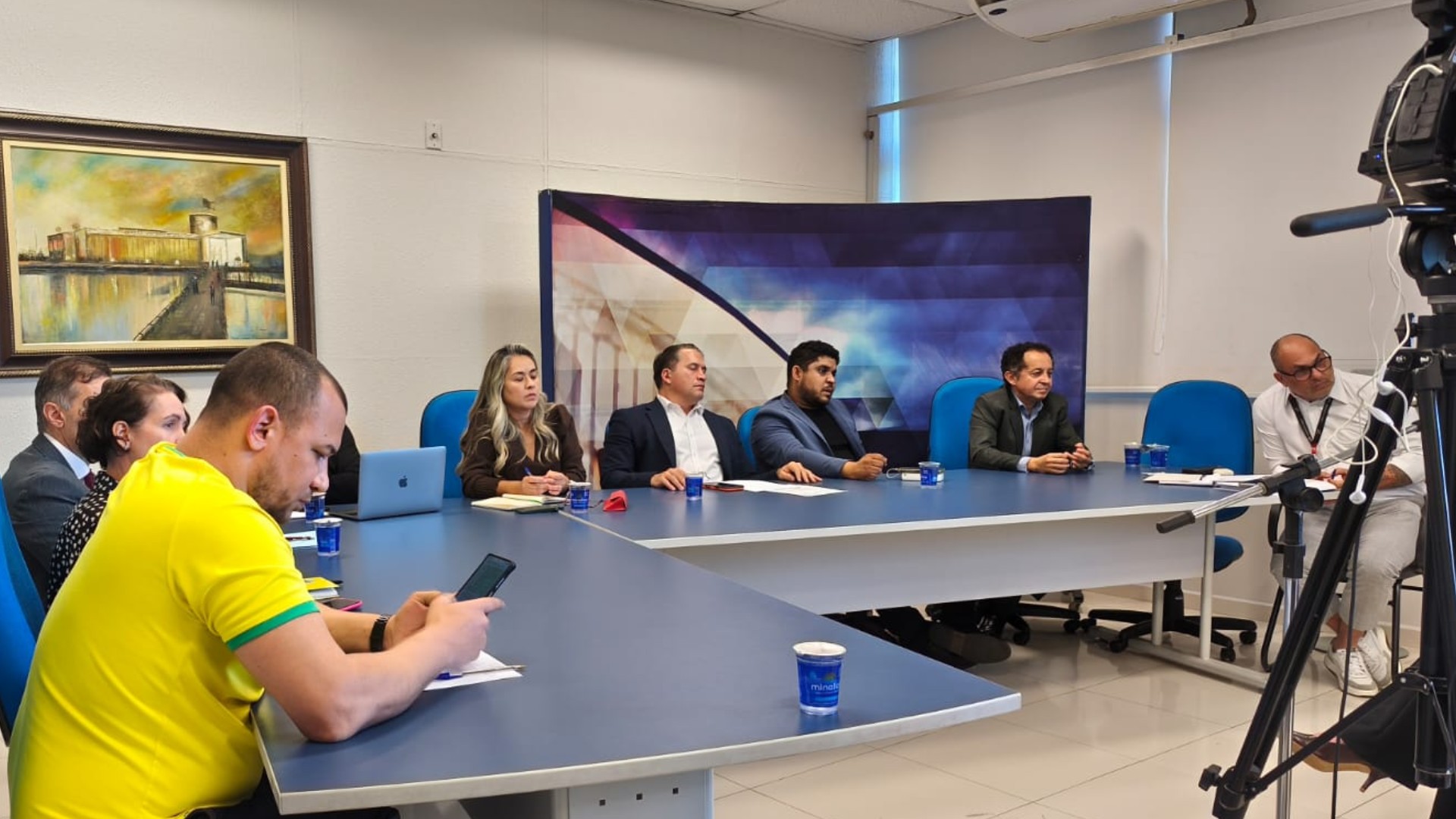
A special committee of Sorocaba city councilors in São Paulo is investigating the conduct of the child protection network, specifically the Municipal Council for Children and Adolescents (Conselho Tutelar). On Thursday, May 2nd, the committee heard testimony from staff at the West Zone Urgent Care Unit (UPA Zona Oeste) who provided initial medical care to a one-year-old baby, Miguel Franco Silva, three months before his death. Miguel died on June 1st at the North Zone Urgent Care Post (PA da Zona Norte) with signs of beating and sexual abuse. His mother, Gabrielly Franco Garcia, and stepfather, Rafael Luis Alves Júnior, both 21, are charged with qualified homicide. Four nursing technicians, a social worker, the administrative coordinator of the UPA Zona Oeste, and a pediatrician were present at the meeting. They testified that the baby showed signs of poor hygiene and a forehead bruise when seen on February 24, 2024. The case was reported to the Conselho Tutelar. A nurse noted the baby had diaper rash and a forehead bruise, and the mother claimed it was from a pit bull. The social worker who attended Miguel on February 24th reported inadequate hygiene, anal irritation, and feeding with diluted milk. She emailed the Conselho Tutelar the same day. The baby was also transferred to the Children's Cancer Research and Assistance Group (Gpaci) hospital, a detail the councilors were unaware of. The social worker expressed deep emotional distress and a sense of helplessness, highlighting a lack of integration and feedback from child protection agencies as a major systemic failure. The UPA Zona Oeste administration stated the unit followed all protocols. Councilors identified a significant communication gap between the health system and the Conselho Tutelar, emphasizing the need for feedback on reported cases. The committee's final report is expected in early August, with the next meeting scheduled for July 16th.
This tragic case highlights critical systemic failures within child protection services, particularly concerning inter-agency communication and accountability. The detailed account from the UPA staff and the social worker underscores the challenges faced by frontline workers when reporting suspected abuse, especially the lack of timely feedback from the Conselho Tutelar. This gap in the system can create a dangerous void, potentially leaving vulnerable children unprotected. Moving forward, establishing clear, mandatory protocols for feedback and response between healthcare providers and child protection agencies is essential. Furthermore, exploring technological solutions for case management and communication could enhance transparency and efficiency, ensuring that reported concerns are addressed promptly and effectively. The investigation by the city council aims to identify these systemic weaknesses and propose policy reforms to prevent future tragedies, emphasizing the need for a more integrated and responsive child welfare network.
AI-generated to prompt reflection — not editorial opinion, not advice, not a statement of fact. How this works.