Sociologist Warns of Escalating Pessimism in Chile
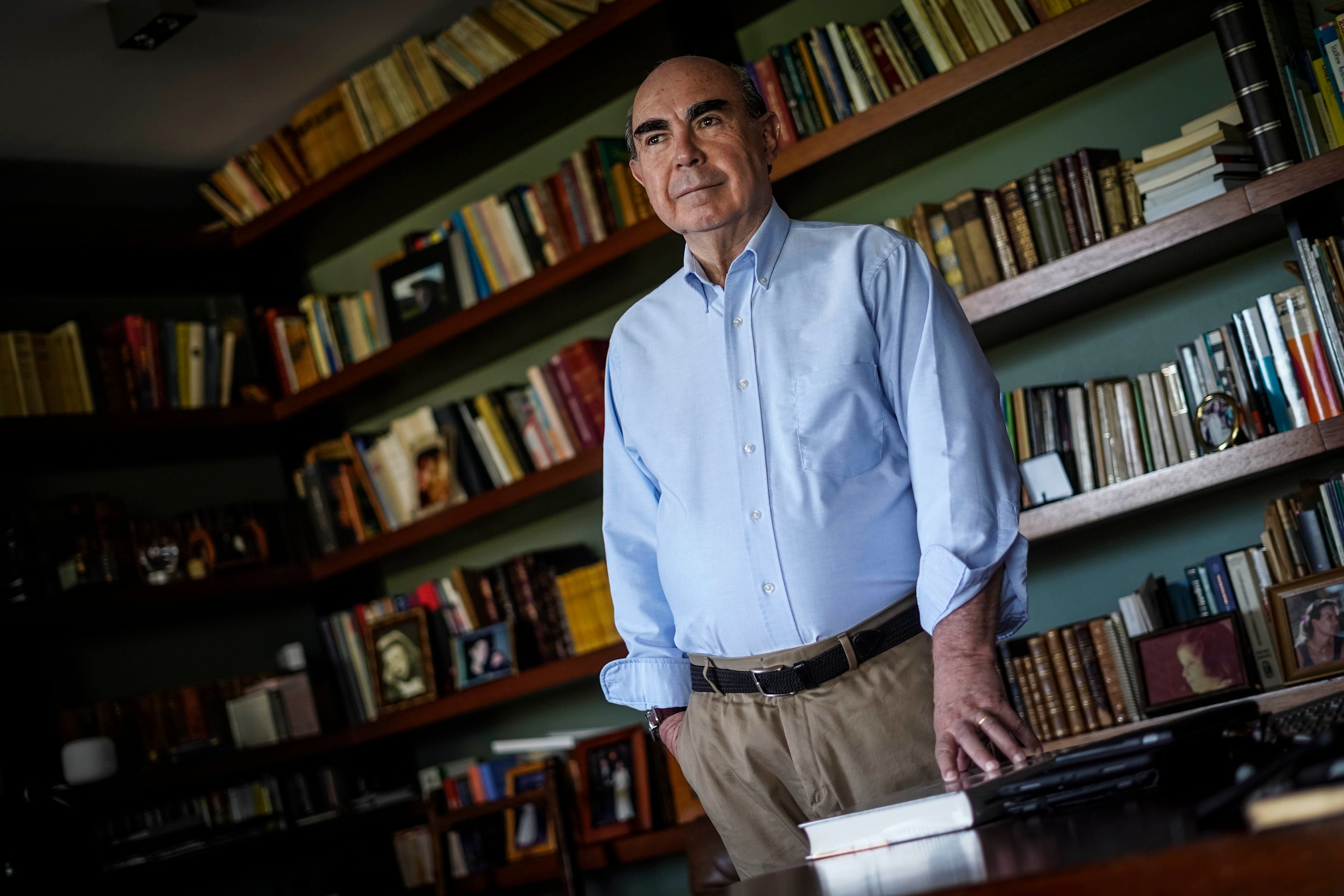
Sociologist Roberto Méndez has highlighted a growing and potentially dangerous level of pessimism in Chile, which he describes as an "emergency." Méndez, who developed the Economic Perceptions Index 45 years ago, noted that this indicator, now integrated into the Central Bank's quarterly IPOM, measures public perception of personal and national economic situations and futures. Historically, personal expectations tend to rise before new governments take office, a pattern observed even with ideologically diverse administrations. However, this trend reversed sharply following a gasoline price hike in late March, coinciding with a drop in government and presidential approval. Méndez points out a persistent pessimistic trend since mid-2015, a period marked by various other negative developments, with the early months of the COVID-19 pandemic representing the lowest point. He also observes a consistent pattern over the last decade where personal optimism is systematically higher than optimism for the country's prospects, a seemingly counterintuitive but persistent phenomenon. Further data from the PUC's Bicentennial Survey suggests this discouragement is particularly prevalent among young people and women, potentially leading to a generation with a bleak outlook. This widespread pessimism is linked to broader societal issues such as low productivity, educational underperformance, declining birth rates, anomie, and depression. Méndez argues that governing becomes significantly more challenging under such conditions, noting that pessimism can evolve from a passive state into a volatile, even self-destructive force, especially when individuals feel the world is against them. He draws parallels between the October 2019 uprising and the preceding decline in expectations, despite less negative economic figures at the time. Like inflation, pessimism can be self-generating and contagious, with some political actors even leveraging it. Méndez emphasizes that effective governance requires projecting hope, rather than merely lamenting current circumstances, and that political campaigns often amplify pessimism. He concludes that paying attention to pessimism offers a different approach to governing, one that involves listening to unconventional signals and considering broader perspectives beyond weekly economic data. While optimism cannot be faked or forced, it can be evaluated and fostered by presenting plans in a more encouraging light, provided leaders possess a sufficiently broad vision of current events.
The analysis of Chile's economic perceptions reveals a divergence between individual and national outlooks, suggesting a potential disconnect between personal resilience and collective sentiment. This sustained pessimism, particularly among younger demographics and women, may reflect underlying systemic issues in economic opportunity, social mobility, or governance effectiveness that transcend short-term economic indicators. The sociologist's framing of "emergency" pessimism warrants examination of how public sentiment is shaped by political discourse and media narratives, and whether these contribute to a self-fulfilling prophecy of decline. Future policy considerations might involve exploring mechanisms to rebuild national confidence and foster a more constructive dialogue around collective progress, acknowledging that perceived stability and future prospects are as crucial as current economic metrics for long-term societal well-being and governance legitimacy.
AI-generated to prompt reflection — not editorial opinion, not advice, not a statement of fact. How this works.