Soldaat van Oranje Musical Concludes After Nearly 16 Years
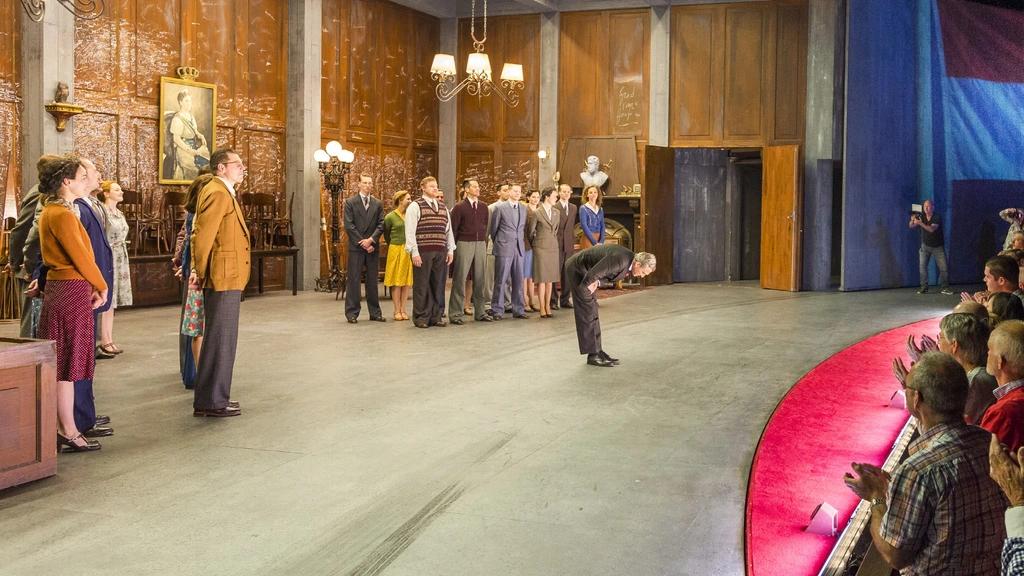
The Dutch musical "Soldaat van Oranje" is set to close this weekend after an extraordinary nearly 16-year run, concluding its unprecedented theatrical journey. This marks the final performance for the longest-running musical in the Netherlands, which has staged almost 4,000 shows and captivated over four million attendees. The production dramatizes the true story of resistance fighter Erik Hazelhoff Roelfzema, his wartime escape to London as an "Engelandvaarder," his role in smuggling radio equipment back to the Netherlands, and his participation as a pilot in bombing raids against Germany. Over its extensive run, the principal role was portrayed by 31 different actors, with Matteo van der Grijn being the first to embody the character. He expressed pride in co-creating the show from its inception with director Theu Boermans, deeming its nearly 16-year success "absurd." The musical pioneered a unique theatrical format, requiring its 1100 audience members per show to rotate 360 degrees around the set within a specially constructed hangar at Vliegkamp Valkenburg in Katwijk. This innovative staging demanded a heightened performance style from actors, emphasizing vocal projection and clear articulation to engage the audience across the expansive stage. Producer Fred Boot described the musical's conclusion as a bittersweet decision, having been involved since 2003 when he first contacted Erik Hazelhoff Roelfzema. The show's enduring popularity was amplified by its advertising slogan, "The performance that writes history, now extended until...". Boot likened the repeated extensions to the famous Dutch actress Heintje Davids, noting that while the public might have thought it had closed before, this time the curtain truly falls. Boot's initial motivation was to preserve a narrative he felt was fading, aiming to educate younger generations about the sacrifices of their parents and grandparents during the war and foster intergenerational dialogue. Van der Grijn actively engaged with audiences post-performance, gathering personal anecdotes and reflections, particularly from those who had lived through the war. Boot emphasized that the narrative's integrity remained paramount, guiding the production above commercial considerations. Director Theu Boermans echoed this sentiment, highlighting the musical's hybrid nature and its continued relevance. He believes the story transcends polarization, serving as a unifying reminder of the fragility of freedom. The final public performance is scheduled for today, with a private closing performance on Sunday afternoon.
The conclusion of "Soldaat van Oranje" after an exceptionally long run highlights the enduring public interest in historical narratives, particularly those concerning wartime heroism and national identity. The production's innovative staging and narrative approach successfully engaged audiences for nearly sixteen years, demonstrating a powerful connection between historical events and contemporary theatrical experience. This success suggests a market for productions that blend educational content with immersive entertainment, offering a compelling alternative to purely commercial ventures. The "Soldaat van Oranje" model, which prioritized storytelling and historical resonance, provides a case study for future theatrical endeavors seeking to connect with audiences on a deeper, more meaningful level, especially in an era where historical understanding can be fragmented. The longevity also points to a successful strategy of adapting to audience feedback and market dynamics through repeated extensions, though this also risks creating a perception of an "endless" run, potentially diminishing the impact of its final closure.
AI-generated to prompt reflection — not editorial opinion, not advice, not a statement of fact. How this works.