Solomon Islands Navigates Complex Relations with China and the West
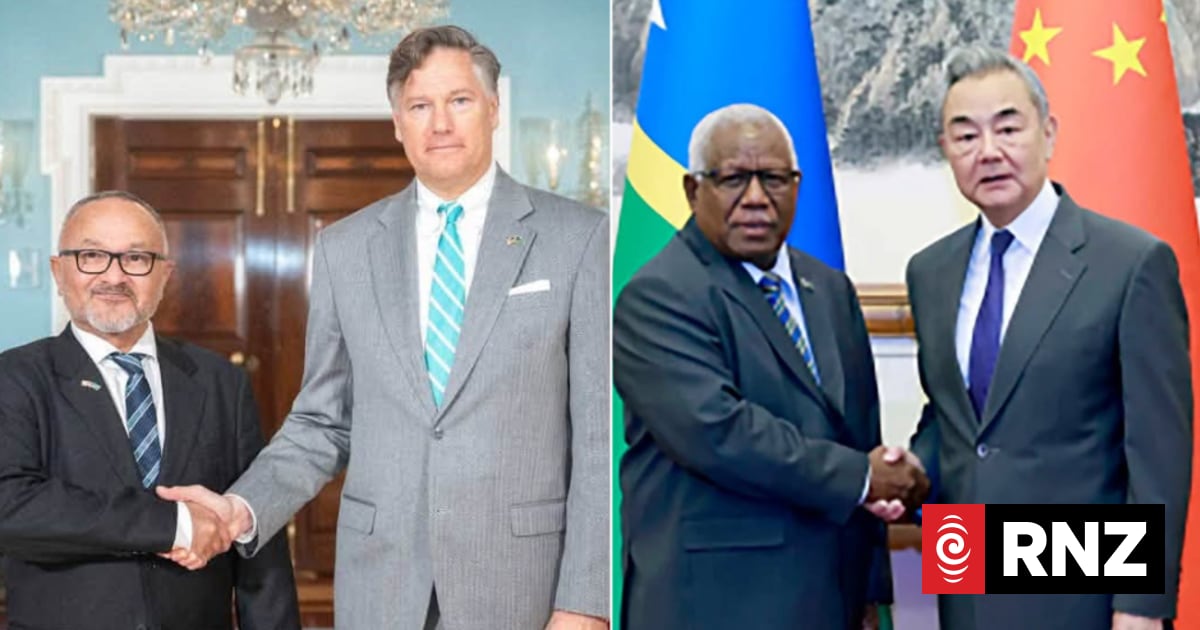
Recent official visits by leaders of the Solomon Islands have provided no clear indication of the nation's current foreign policy alignment. The trips suggest a delicate balancing act between deepening ties with China and maintaining relationships with Western partners. This strategic ambiguity highlights the Solomon Islands' efforts to maximize its geopolitical and economic advantages. The government appears to be exploring various avenues for development assistance and security cooperation. The specific destinations and outcomes of these visits have not yet revealed a definitive shift in allegiance. This approach allows the Solomon Islands to engage with both major global powers without fully committing to one side. The nation's leaders are likely prioritizing national interests in their foreign policy decisions. The ongoing diplomatic maneuvering underscores the strategic importance of the Solomon Islands in the Pacific region. The country's leaders are carefully managing these relationships to secure the best outcomes for their citizens.
The Solomon Islands' leadership is employing a strategy of diplomatic diversification, seeking to leverage relationships with both China and Western nations. This approach reflects a pragmatic effort to secure economic development and security benefits without alienating potential partners. The nation's geopolitical position in the Pacific makes it a focal point for competing global interests. By maintaining flexibility, the Solomon Islands can potentially negotiate more favorable terms for trade, aid, and security agreements. This strategy, while offering short-term advantages, carries the long-term risk of becoming entangled in larger geopolitical rivalries. Future developments will indicate whether this balancing act can be sustained or if external pressures will necessitate a clearer alignment.
AI-generated to prompt reflection — not editorial opinion, not advice, not a statement of fact. How this works.