Solomon Islands-US Shiprider Deal Sparks Sovereignty Concerns
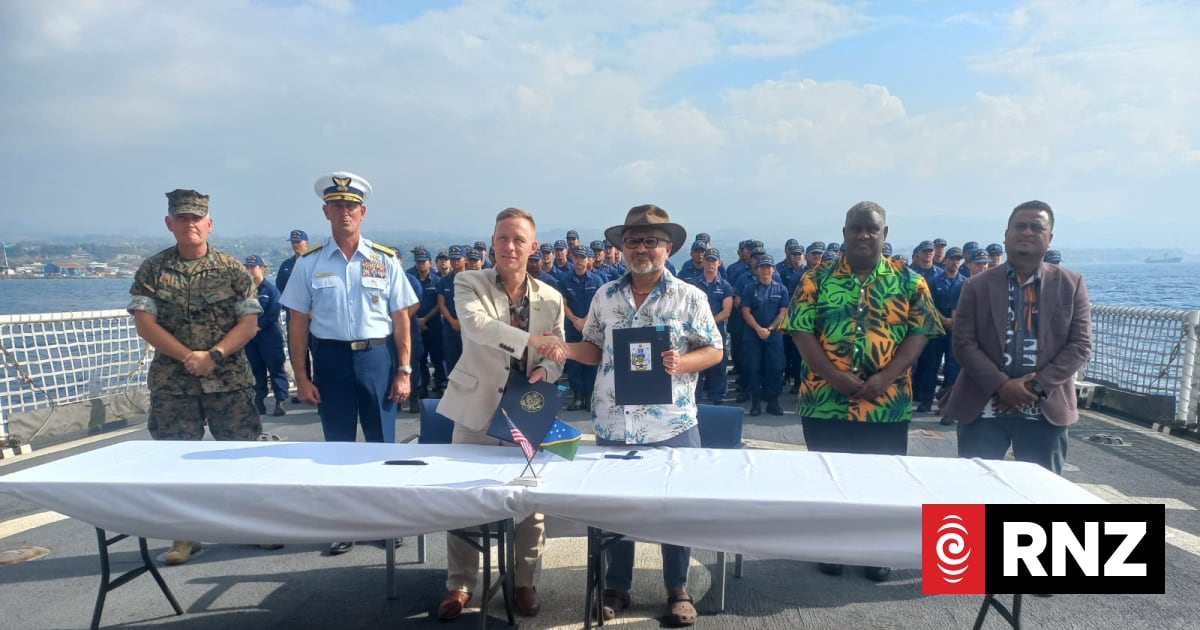
A recently signed agreement between the Solomon Islands and the United States concerning maritime policing has generated significant unease in the capital city of Honiara. The deal, known as a shiprider agreement, allows U.S. law enforcement officers to embark on vessels operated by the Solomon Islands' police force. This collaboration aims to enhance maritime security and combat illegal activities in the vast waters of the Solomon Islands. However, the arrangement has become a focal point of controversy, with critics and some government officials expressing apprehension.
The primary source of contention revolves around the potential implications for the Solomon Islands' national sovereignty. Concerns have been raised that the presence of foreign law enforcement personnel on domestic vessels could undermine the country's autonomy and control over its maritime domain. The specifics of the agreement and the extent of U.S. authority within Solomon Islands waters are subjects of intense debate. This situation highlights the delicate balance between international cooperation for security and the imperative to safeguard national sovereignty.
The shiprider agreement between the Solomon Islands and the United States presents a complex interplay of national security objectives and sovereign rights. While such arrangements are often framed as mutually beneficial for combating transnational crime and enhancing maritime surveillance, they necessitate careful consideration of governance structures and operational oversight. The concerns voiced in Honiara underscore the importance of transparency and clear delineation of authority to prevent perceptions of external encroachment. Future iterations of such agreements may benefit from robust consultation processes and explicit safeguards that reinforce national sovereignty while achieving shared security goals, particularly in the context of evolving geopolitical dynamics in the Pacific.
AI-generated to prompt reflection — not editorial opinion, not advice, not a statement of fact. How this works.
