Somalia Fears WhatsApp Usernames Will Hamper Anti-Terror Efforts
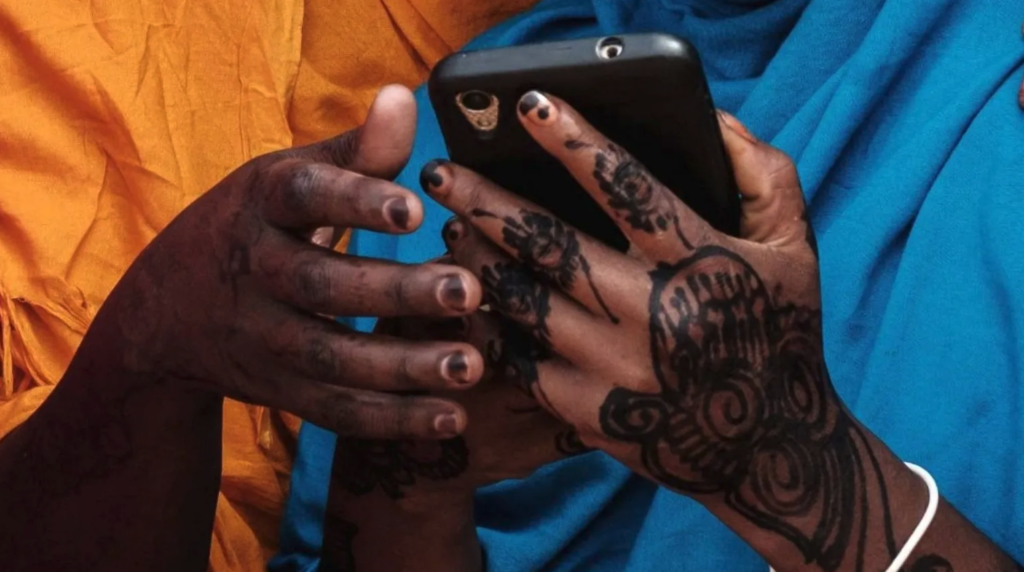
Somalia's government has expressed significant concerns regarding WhatsApp's upcoming feature that will allow users to communicate via usernames instead of phone numbers. According to Communications and Technology Minister Ahmed Osman Dirie, this change could create substantial security risks for the nation. The primary worry is that the shift away from phone number-based identification will make it considerably more difficult for authorities to trace and track criminals and terrorists. This poses a direct challenge to Somalia's ongoing fight against terrorism, potentially undermining existing security protocols and intelligence-gathering capabilities. The government views this new feature as a potential impediment to its efforts to maintain national security and counter extremist activities. The implications of this feature could extend beyond anti-terror operations, affecting the broader ability to monitor and address illicit activities within the country.
The introduction of username-based communication on platforms like WhatsApp presents a complex trade-off between user privacy and national security. While usernames offer enhanced anonymity, potentially benefiting users in environments with surveillance concerns, they simultaneously complicate the efforts of law enforcement and intelligence agencies that rely on traceable digital footprints. For nations like Somalia, actively engaged in counter-terrorism, this technological shift could necessitate a re-evaluation of digital security strategies and international cooperation frameworks. The challenge lies in balancing the global trend towards greater digital privacy with the specific security imperatives of states facing persistent threats, prompting a broader discussion on platform accountability and the evolving nature of digital identity in the context of global security.
AI-generated to prompt reflection — not editorial opinion, not advice, not a statement of fact. How this works.