Son Reports Father's Alleged Attempted Murder of Mother in Maranhão, Brazil
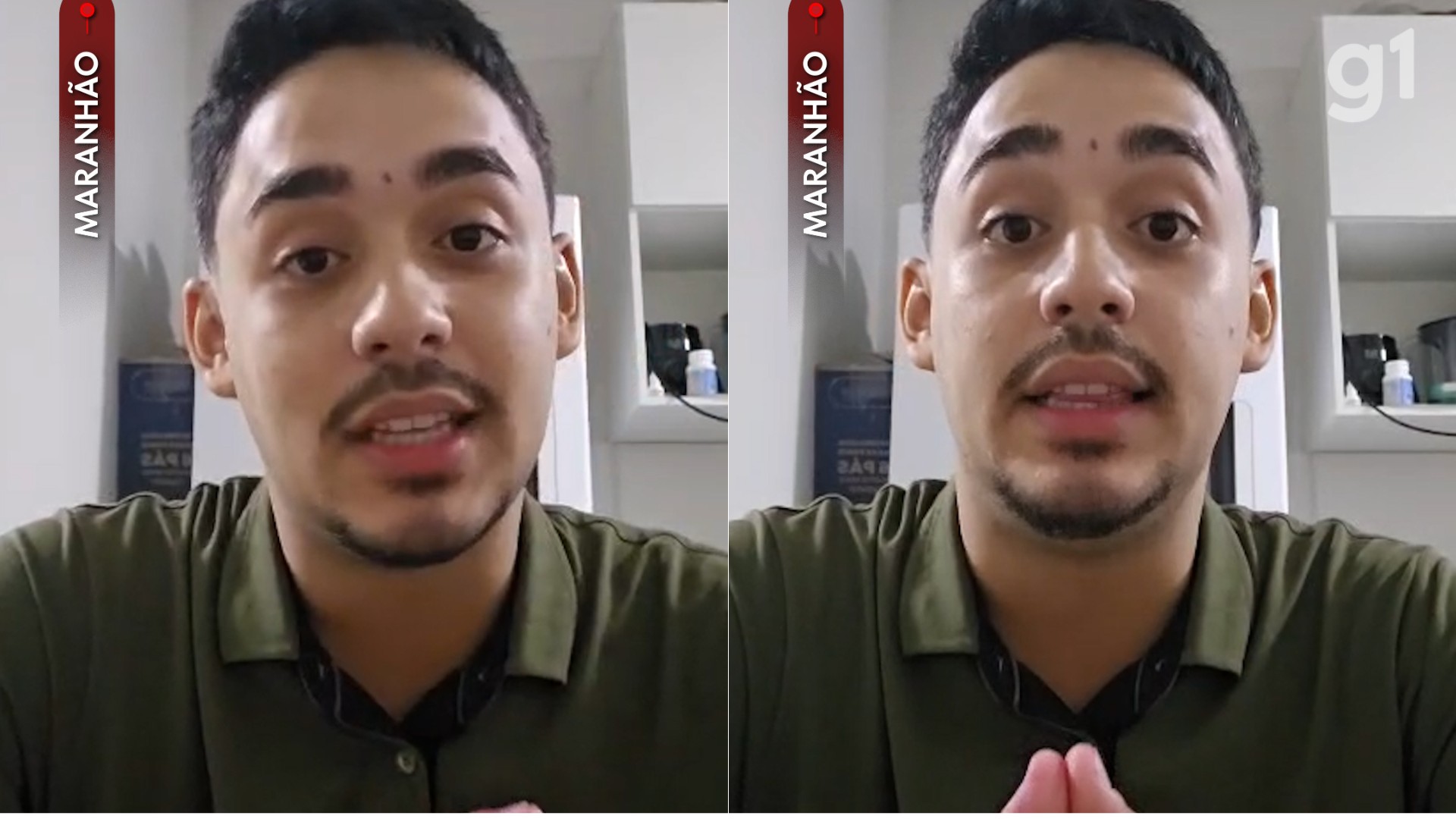
A man, identified as Thonizete Santana da Silva, 44, has been arrested in Governador Eugênio Barros, Maranhão, Brazil, on suspicion of attempting to murder his partner. The incident, which occurred on Saturday, June 1st, was brought to light by the couple's 20-year-old son, law student Thalysson Santana. Thalysson reported a history of domestic violence against his mother, stating that while the abuse lessened in his presence during his adolescence, it resumed with frequency after he moved to Teresina in 2024. He learned of the recent alleged attack when his sister alerted him during a college party. Thalysson contacted the police, leading to the apprehension of his father by teams from Graça Aranha and the Tactical Force of Presidente Dutra. The son also revealed that his father had been previously arrested for assaulting his mother but was released the following day, allegedly expressing no fear of law enforcement. Following a videoconference custody hearing on Monday, June 3rd, the Maranhão Justice system upheld the preventive detention of Thonizete Santana da Silva, who remains held at the Regional Delegation of Presidente Dutra.
This case highlights the persistent challenge of domestic violence and the complex dynamics within families where such abuse occurs. The son's courageous public denunciation, despite potential personal repercussions, underscores the critical role of familial support and reporting mechanisms in addressing these issues. The alleged history of violence and the suspect's prior arrest and subsequent release suggest potential systemic gaps in enforcement or rehabilitation programs designed to prevent recidivism. Future interventions may benefit from examining the effectiveness of judicial oversight and support services for victims, considering the long-term societal impact of repeated domestic violence and the psychological toll on children exposed to such environments. Addressing these patterns requires a multi-faceted approach involving legal accountability, victim support, and community-based prevention strategies.
AI-generated to prompt reflection — not editorial opinion, not advice, not a statement of fact. How this works.
