Sonam Wangchuk Ends 26-Day Hunger Strike After Government Assurances
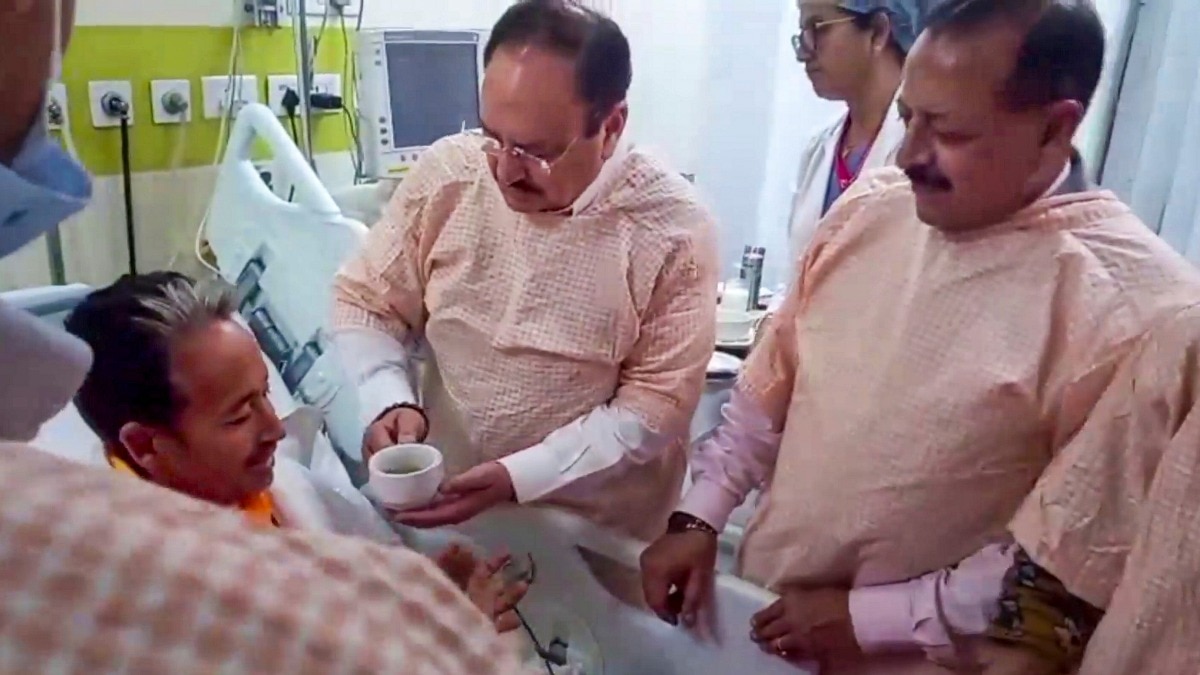
Sonam Wangchuk has ended his 26-day hunger strike after receiving assurances from the government. The activist and engineer had been protesting for the protection of Ladakh's fragile ecosystem and its people's rights. His protest gained significant attention, drawing support from various quarters. Experts caution that after such a prolonged period of fasting, the body requires time to readjust to normal food intake. Suddenly resuming a regular diet carries risks, including the potential for refeeding syndrome, a condition where the body's electrolyte and fluid levels shift rapidly as it begins to metabolize nutrients again. This can lead to serious medical complications if not managed carefully. Wangchuk's decision to break his fast comes after a period of intense campaigning and growing concern for his health. The specific nature of the government's assurances has not been detailed, but it was sufficient to prompt him to end his protest. The recovery process for Wangchuk will involve a gradual reintroduction of food under medical supervision to mitigate health risks.
The conclusion of Sonam Wangchuk's hunger strike highlights the interplay between civil protest, government response, and public health considerations. While the immediate cessation of the fast addresses critical health risks associated with prolonged fasting, the long-term impact hinges on the substantive implementation of the government's assurances. From a systemic perspective, the event underscores the leverage that sustained, high-profile activism can exert on policy-making, particularly when coupled with international attention and concerns for the activist's well-being. The refeeding process itself serves as a stark reminder of the physiological toll of such protests, prompting reflection on the balance between advocacy methods and personal health, and the societal responsibility to address the underlying issues that necessitate such extreme measures.
AI-generated to prompt reflection — not editorial opinion, not advice, not a statement of fact. How this works.