Sonam Wangchuk Ends Hunger Strike, Sets Conditions for Government
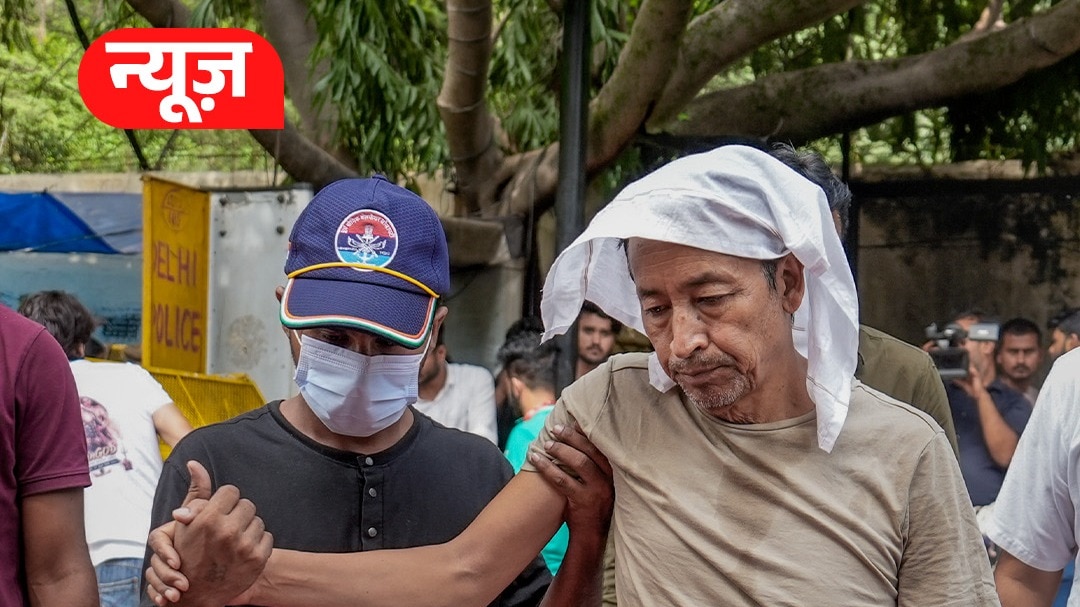
Social activist Sonam Wangchuk announced on July 20th that he will end his hunger strike. However, he has presented the government with three specific conditions before concluding his protest. Wangchuk is demanding accountability for failures within the education system and for instances of paper leaks. He is also seeking assurances from Members of Parliament (MPs) that they will raise these issues on the floor of the Parliament. The activist's protest highlights concerns about educational integrity and governance.
The conditions set by Sonam Wangchuk for ending his hunger strike reflect a demand for systemic accountability within India's education sector, particularly concerning paper leaks and broader educational failures. His request for parliamentary assurance indicates a strategic effort to leverage legislative channels for reform. This situation underscores the growing public expectation for transparency and robust governance in educational institutions, especially as digital access increases the potential for both widespread information dissemination and illicit activities like paper leaks. Future policy discussions may need to address the incentives for maintaining educational integrity and the mechanisms for ensuring accountability across different levels of governance.
AI-generated to prompt reflection — not editorial opinion, not advice, not a statement of fact. How this works.