Sonam Wangchuk Reflects on 26-Day Fast, Physical Toll, and Motivations
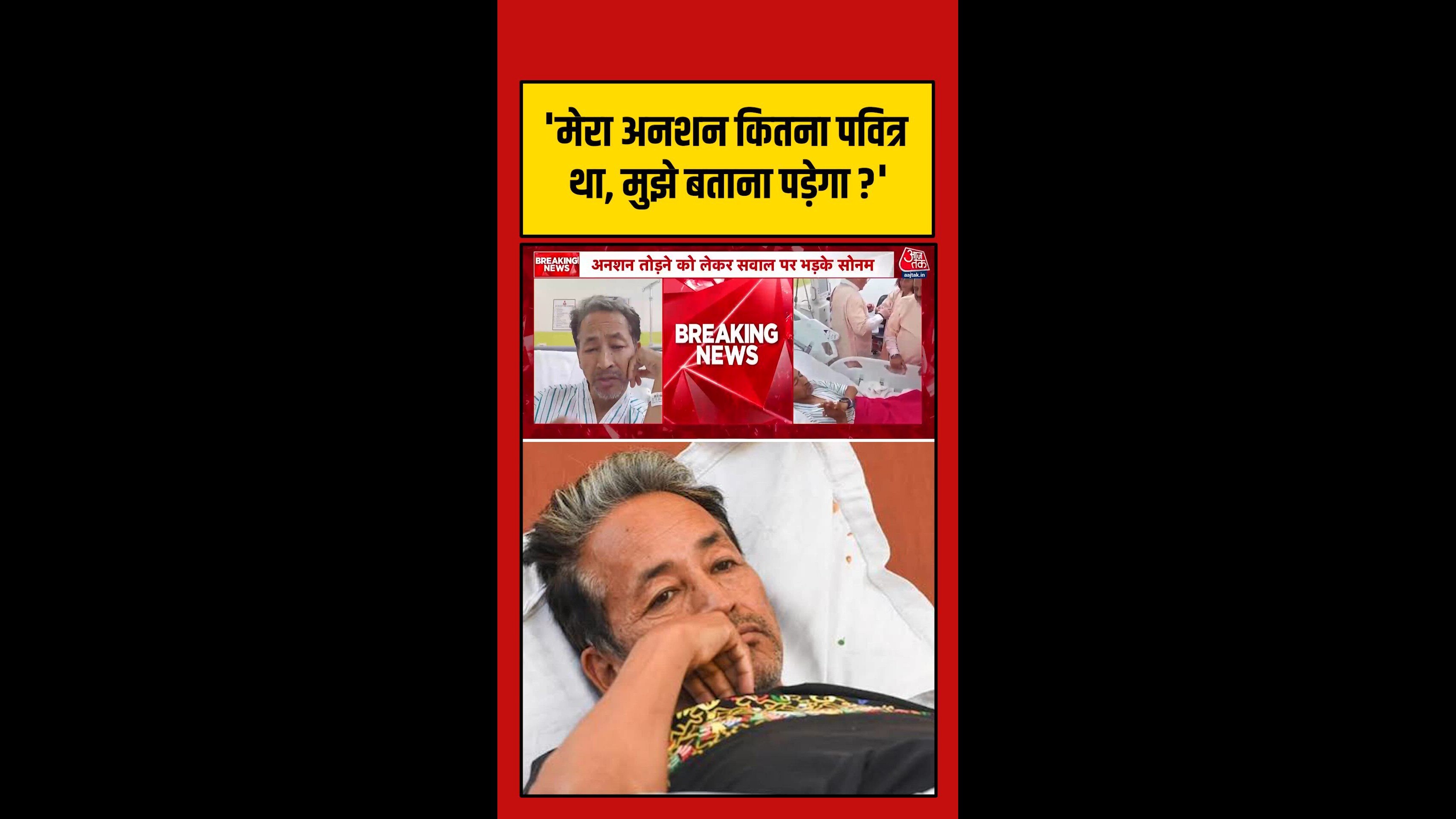
Activist Sonam Wangchuk has released a video message detailing his experiences after completing a 26-day fast. He described a complex mix of emotions including sadness, surprise, grief, and anger that arose during the hunger strike. Wangchuk reported a significant physical decline, having lost up to 11 kilograms, with weakened muscles and adverse effects on his limbs and cognitive functions. The fast was maintained through the harsh winter conditions of Ladakh and the heat of Delhi. He also raised a philosophical question about whether the purity of his protest requires external validation or a character certificate. The physical and emotional toll underscores the personal sacrifice involved in his advocacy.
Sonam Wangchuk's 26-day fast highlights the extreme personal commitment required for advocacy, demonstrating a willingness to endure significant physical hardship for his cause. The mention of emotional and physical deterioration, alongside questions about the 'purity' of his protest, suggests a tension between the personal sacrifice and the broader political or environmental objectives. This approach, while impactful in drawing attention, raises systemic questions about the sustainability and ethical considerations of such prolonged hunger strikes as a form of political leverage. Future advocacy may need to balance visibility with long-term well-being and explore diverse strategies that do not rely solely on extreme personal risk.
AI-generated to prompt reflection — not editorial opinion, not advice, not a statement of fact. How this works.