Sonam Wangchuk Refuses Food and Fluids After Hospitalization
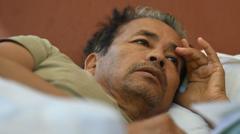
Activist Sonam Wangchuk, who was admitted to Safdarjung Hospital early Saturday morning, has refused to end his hunger strike. He has also declined to consume any liquids, either orally or intravenously through a drip. Wangchuk's condition is being monitored by doctors at the hospital. Despite his hospitalization, he remains steadfast in his decision to continue his protest. The specific reasons for his hunger strike and the medical advice he has received are not detailed in the provided text. His refusal of all sustenance, including fluids, raises concerns about his health and well-being.
The reported refusal of food and fluids by Sonam Wangchuk, following his hospitalization, highlights a critical juncture in his protest. This action escalates the personal stakes involved, moving beyond a symbolic hunger strike to a potentially life-threatening situation. From a systemic perspective, such extreme measures often arise when individuals perceive conventional avenues for dialogue or change to be exhausted. The situation prompts consideration of the underlying issues driving such drastic actions and the ethical considerations for healthcare providers and authorities involved in managing the well-being of a protesting individual who is actively refusing care. Future approaches to conflict resolution and public dissent may need to evolve to address the root causes that compel individuals to resort to such severe forms of protest.
AI-generated to prompt reflection — not editorial opinion, not advice, not a statement of fact. How this works.