Sonam Wangchuk's Wife Objects to Medical Treatment Without Consent
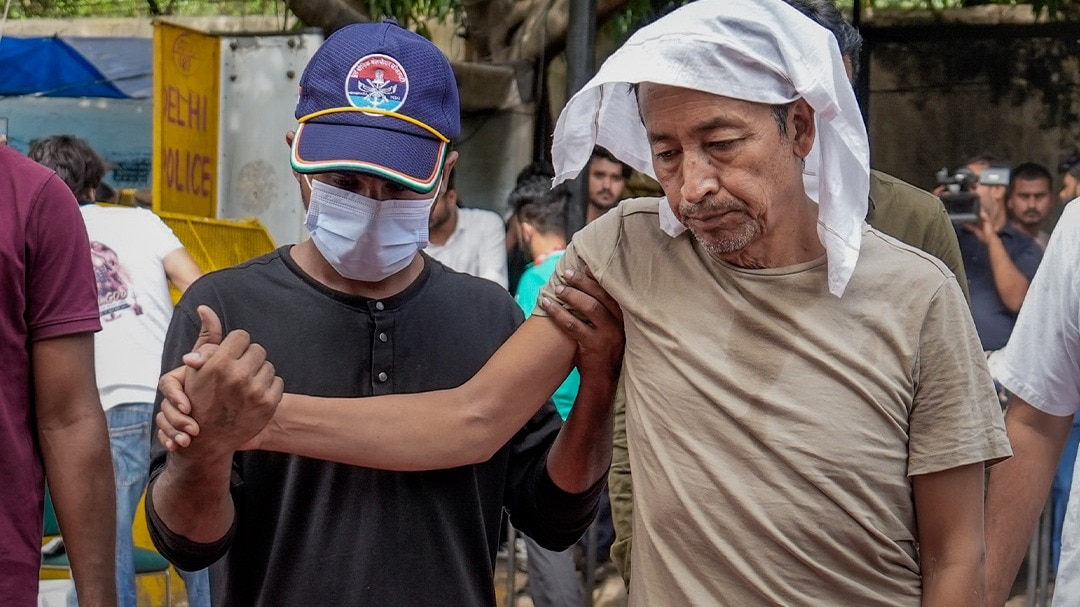
Sonam Wangchuk, the noted engineer and education reformist, was taken to Safdarjung Hospital in Delhi by the police after 20 days of hunger strike. He is reportedly stable but weakened due to dehydration. The authorities removed protestors from Jantar Mantar, the site of Wangchuk's demonstration. However, Wangchuk's wife has expressed strong objections to his medical treatment being administered without his explicit consent. This situation highlights a conflict between the authorities' actions in response to a protest and the patient's rights and his family's concerns regarding his care. The hunger strike was part of Wangchuk's protest related to issues concerning Ladakh.
The situation surrounding Sonam Wangchuk's hunger strike and subsequent hospitalization raises questions about the balance between public order and individual rights during protests. Authorities' actions to remove protestors and hospitalize Wangchuk, even if deemed medically necessary, must navigate the complexities of patient consent and family objections. This event underscores the critical importance of clear protocols for handling individuals undertaking prolonged fasts, ensuring that medical interventions respect autonomy while addressing potential health crises. Future approaches could benefit from established frameworks that allow for independent medical assessment and transparent communication with the individual and their representatives, thereby mitigating potential conflicts and upholding both public safety and human dignity.
AI-generated to prompt reflection — not editorial opinion, not advice, not a statement of fact. How this works.