Sony's PS1-in-a-controller concept canceled over royalty disputes
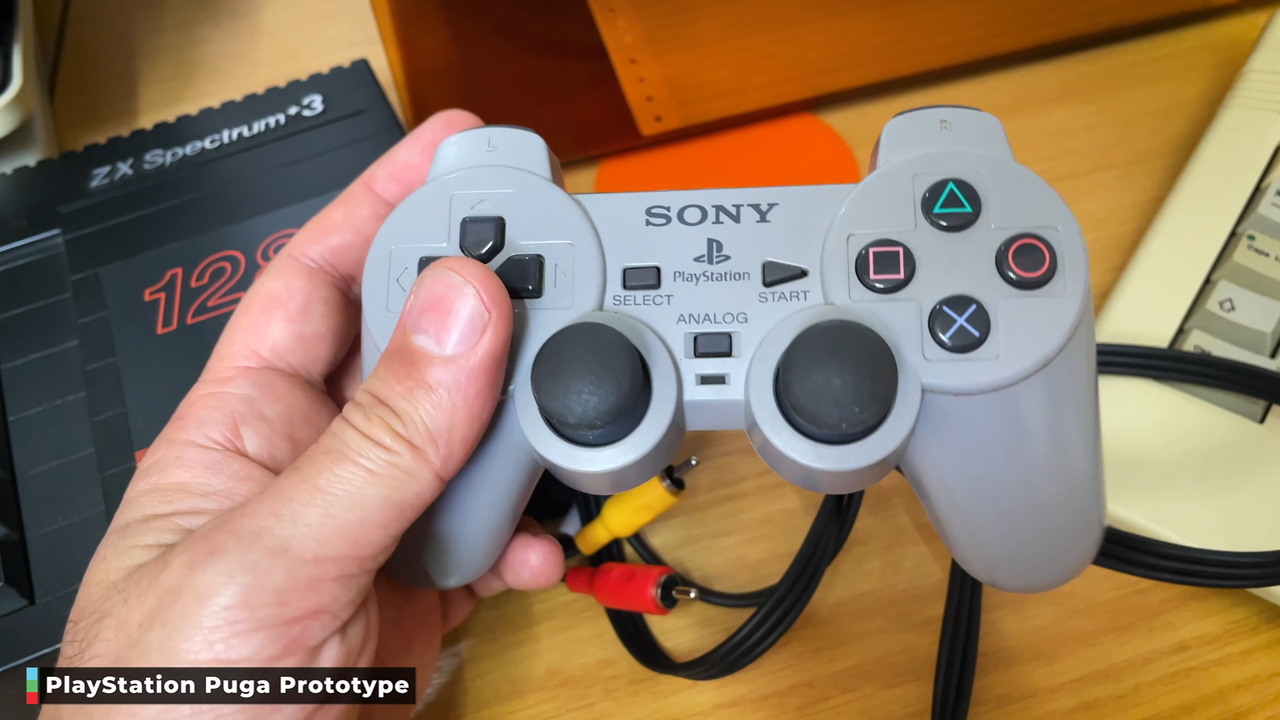
Sony developed a prototype of a PlayStation 1 console integrated into a DualShock controller, designed to connect directly to a television. However, the project was ultimately canceled due to disagreements with game studios regarding royalty payments. The proposed royalty rate offered to studios was a mere 10 cents per unit sold. This financial model proved insufficient for game developers, leading to their dissatisfaction and the project's termination. The concept aimed to offer a compact gaming solution, but the economic terms presented a significant hurdle. The decision to cancel highlights the complex negotiations required between console manufacturers and content creators when introducing new hardware. Ultimately, the financial viability for studios was deemed too low, preventing the product's release.
The PlayStation Puga concept illustrates a common tension between hardware innovation and content creator incentives. While Sony explored a novel form factor, the proposed revenue-sharing model, offering only 10 cents per unit to game studios, likely failed to align with their investment and development costs. This situation underscores the critical importance of equitable partnerships in the gaming ecosystem. Future hardware ventures must carefully consider the economic frameworks that ensure profitability and sustained engagement for all stakeholders, particularly third-party developers, to foster a healthy and innovative market. The project's cancellation serves as a case study in the necessity of robust financial planning that accounts for the entire value chain.
AI-generated to prompt reflection — not editorial opinion, not advice, not a statement of fact. How this works.