Sony to End Physical PlayStation Game Production by 2028, Sparking Collector and Resale Market Concerns
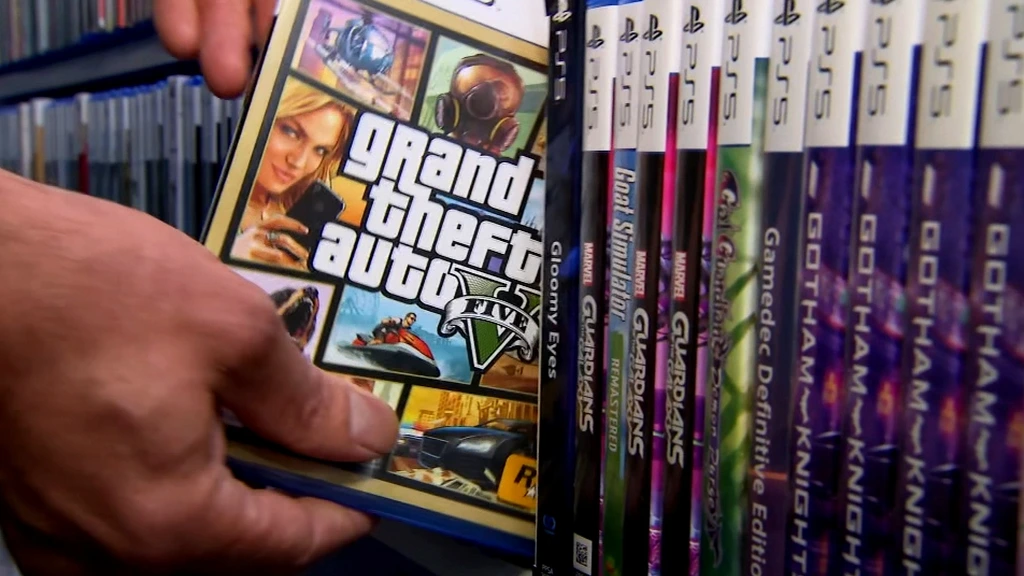
Sony will cease production of physical PlayStation games by 2028, marking a significant shift away from physical media. For approximately 18 more months, factories will continue producing discs, but this marks the end of an era for collectors and the pre-owned game market. The company's decision is expected to lead to game packaging increasingly containing only download codes, rendering resale impossible as these codes are typically single-use. This move is anticipated to boost game publishers' revenue by ensuring games are sold at full price, though it may delay access to games for budget-conscious consumers. Retailers specializing in second-hand games face a substantial challenge as their primary income source diminishes. Nedgame, a game store, has criticized Sony's decision as "bizarre" and a "middle finger to gamers and retailers."
This development, while not entirely unexpected given the rise of streaming and digital distribution, follows Sony's 2020 release of both disc-based and digital-only console variants. Legal experts, like Professor Marco Loos from the University of Amsterdam, suggest that other major platform holders, such as Microsoft and Nintendo, may follow suit. The trend towards digital ownership has been evolving, with many modern games requiring discs for installation and online license verification, often necessitating internet access and updates before play. The complete transition to digital means consumers acquire a license rather than true ownership, granting usage rights but limiting control over the product.
This shift raises concerns about consumer rights, as publishers could potentially make games unplayable by taking them offline, a practice already seen with older titles and increasingly with newer games that underperform. Consumers may have limited recourse due to a lack of specific legislation governing digital game longevity. The Consumers' Association has voiced concerns, emphasizing the need for clarity on license validity and terms. An initiative called Stop Destroying Videogames garnered 1.3 million signatures and was presented to the European Commission, advocating for measures against games being made offline. However, the Commission currently has no plans for new legislation, citing existing copyright laws, but has proposed discussions with the gaming industry and consumer groups regarding a directive.
Sony's transition away from physical game production reflects a broader industry trend driven by the economic efficiencies and control offered by digital distribution models. This strategic pivot, while potentially increasing publisher revenue and reducing manufacturing costs, raises fundamental questions about consumer ownership and long-term access to digital content. The shift from tangible goods to licensed access creates a dependency on platform holders and publishers for continued game availability, introducing systemic risks related to server shutdowns or content removal. As the digital ecosystem matures, the development of robust legal frameworks and industry standards for digital asset longevity and consumer rights will be crucial to mitigate these risks and ensure a sustainable gaming landscape for the next decade.
AI-generated to prompt reflection — not editorial opinion, not advice, not a statement of fact. How this works.