Sootfeni vs. Sewai: Understanding the Crucial Differences
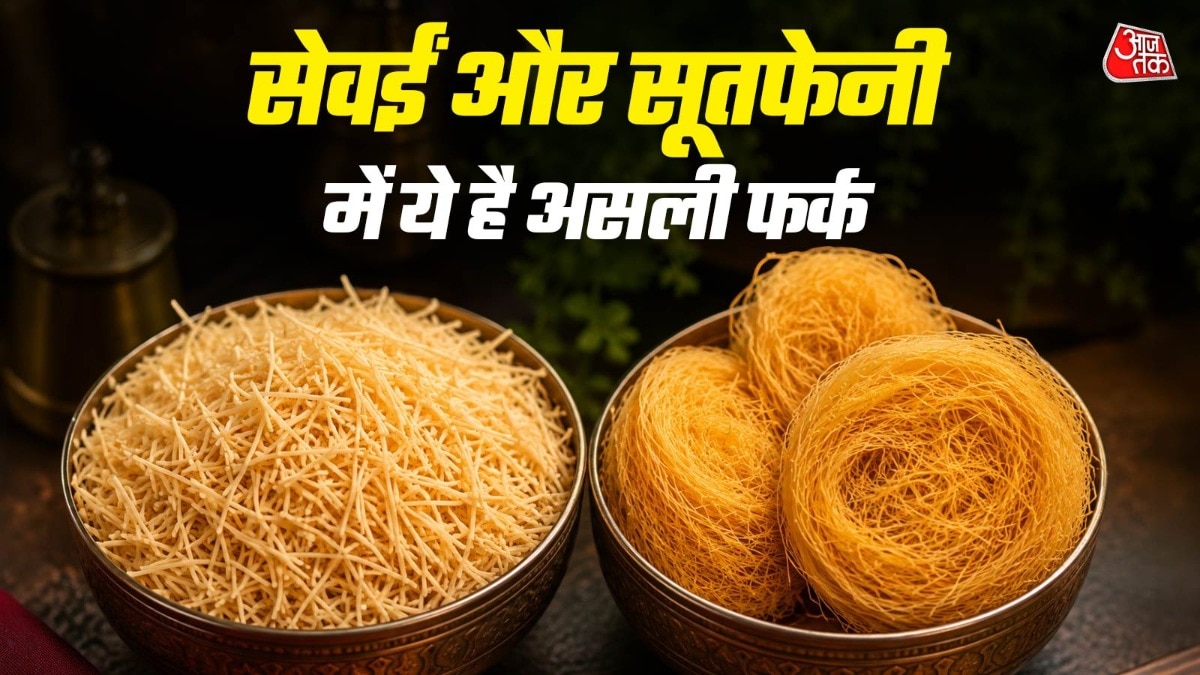
During the Saawan festival, both sewai and sootfeni are commonly found in grocery and sweet shops. However, a prevalent misconception is that sewai and sootfeni are the same product. In reality, they are distinct and different items. Sewai are typically long, thin strands made from flour and water, often dried and then cooked in milk or other preparations. They are a staple in many Indian desserts and savory dishes. Sootfeni, on the other hand, is a layered, flaky sweet that resembles a honeycomb or a bird's nest. It is made from a dough that is stretched and folded multiple times, creating numerous thin layers. This process gives sootfeni its characteristic crispy and airy texture. While both are popular sweets enjoyed during festive occasions, their preparation, texture, and appearance are significantly different, warranting a clear distinction between the two.
The common confusion between sewai and sootfeni highlights a broader consumer tendency to group similar-looking food items without understanding their distinct production methods and ingredients. This can impact market segmentation and consumer education efforts by food manufacturers and retailers. As food technologies advance, clearer product differentiation through labeling and marketing will become increasingly important to manage consumer expectations and preserve the cultural significance of diverse culinary traditions. Understanding these nuances is key to appreciating the variety within Indian cuisine and preventing the homogenization of traditional foods.
AI-generated to prompt reflection — not editorial opinion, not advice, not a statement of fact. How this works.