Sorocaba Airport 'Airplane Toll' Lawsuit Dismissed Over Procedural Error
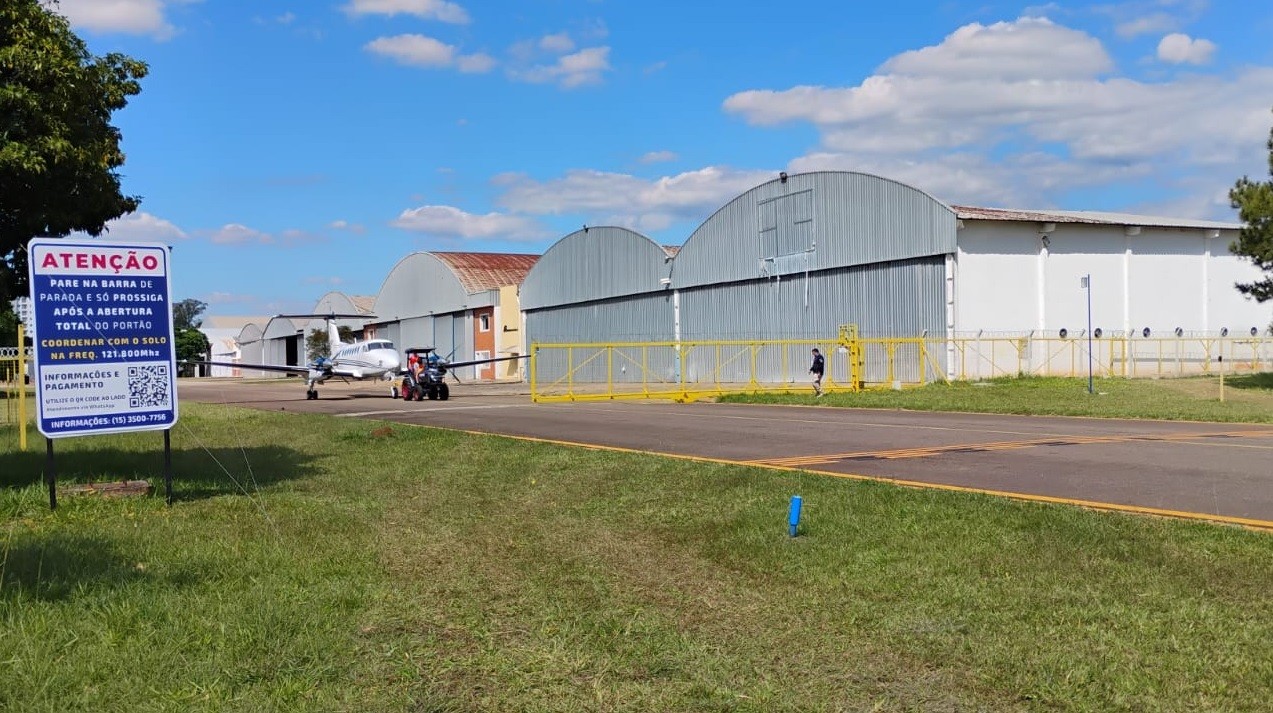
A lawsuit challenging a R$343.90 fee, known as the "airport toll," at Sorocaba Airport in São Paulo has been dismissed by a judge without a ruling on its merits. The Association of Hangar Owners, Permittees, and Operators of Sorocaba Airport (Aprohapas) filed the suit against VOA SP, the airport's concessionaire. The fee was for aircraft passage between private hangar areas and the airport apron. Aprohapas argued the toll was illegal, duplicating landing and parking fees and violating a previous court order against similar charges by the former state agency Daesp. Judge Rodrigo Cerezer of the 8th Civil Court of Sorocaba dismissed the case because Aprohapas failed to provide proper authorization from its members to file the lawsuit. The court gave the association two opportunities to submit minutes from an assembly approving the action, along with a member attendance list. However, the submitted documents were blank, leading the judge to conclude the association lacked the legal standing to represent its members in court. Consequently, the preliminary injunction that had suspended the fee collection was lifted. Aprohapas was ordered to pay court costs and R$2,000 in legal fees. The association has appealed the decision, citing a technical error in document digitization and claiming the registrar had the necessary documents since June 18, 2025. They argue the dismissal due to a system failure is excessive rigor. The "airplane toll" had been suspended since May 2025 by a preliminary injunction, with daily fines threatened for non-compliance. The dispute centers on a gate controlling access to the apron, frequently used by aircraft maintenance facilities.
The dismissal of the Sorocaba Airport 'airplane toll' lawsuit highlights the critical importance of procedural adherence in legal proceedings, even when substantive claims of unfair or illegal fees are present. The court's decision, based on Aprohapas's failure to properly document member authorization, underscores how governance and internal organizational processes can directly impact an entity's ability to pursue legal recourse. This situation presents a systemic challenge for associations seeking to represent collective interests: ensuring robust documentation and clear mandates are essential to navigate the legal system effectively. Looking ahead, such cases may prompt a re-evaluation of how member-authorized actions are managed, potentially leading to more formalized digital verification or streamlined approval processes to prevent future dismissals based on technicalities, thereby ensuring that substantive disputes can be addressed on their merits.
AI-generated to prompt reflection — not editorial opinion, not advice, not a statement of fact. How this works.
