Sorocaba Animal Welfare NGO Faces Investigation for Suspected Abuse and Neglect
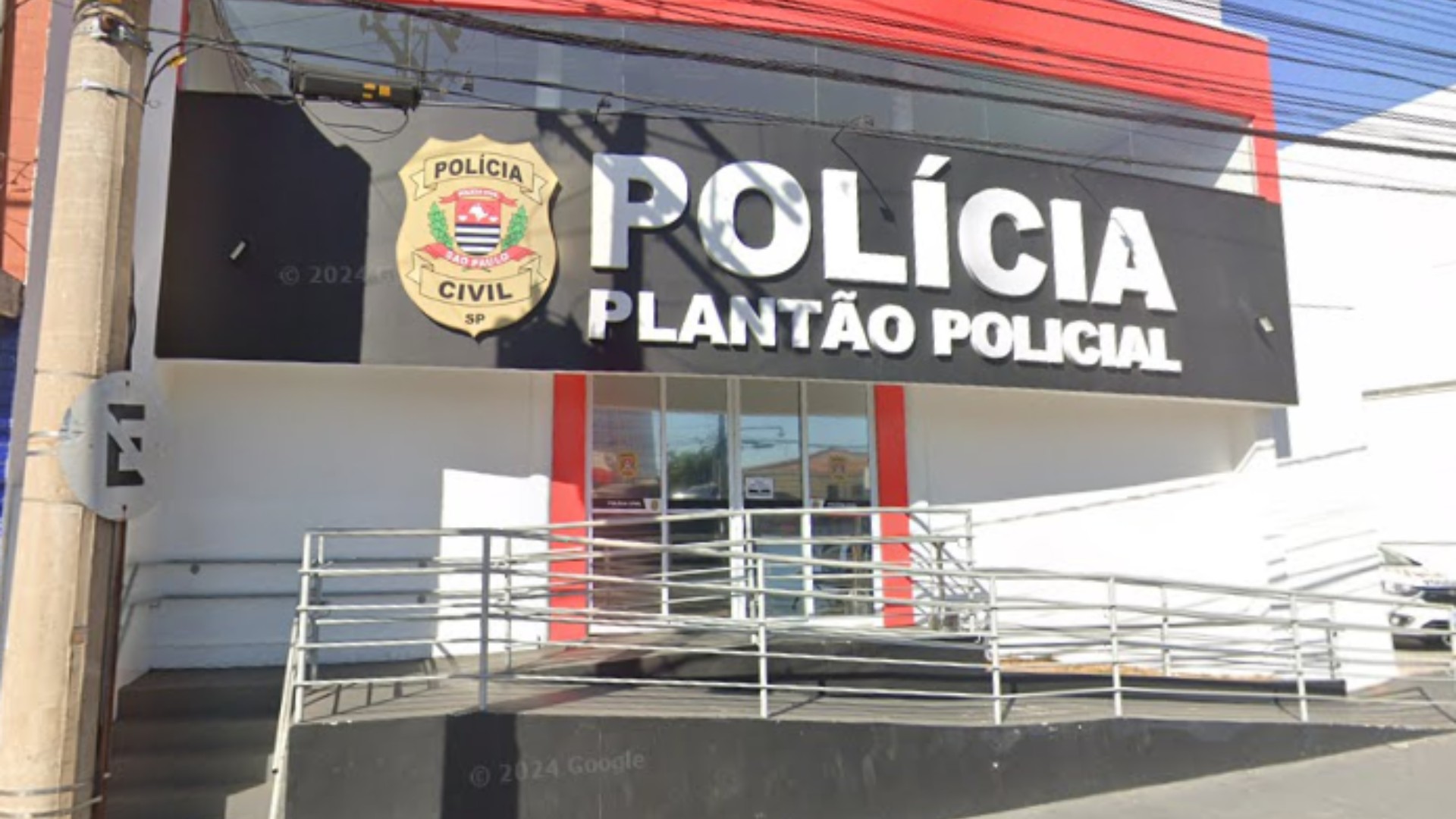
Civil Police in Sorocaba, São Paulo, executed a search and seizure warrant on a local Non-Governmental Organization (NGO) on Thursday, May 16th, amid suspicions of irregularities and animal mistreatment. The operation, led by the Specialized Sector for Animal Protection (Sepa), involved collaboration with city hall representatives, the Regional Council of Veterinary Medicine (CRMV), and the Institute of Criminalistics. During the inspection, authorities assessed the conditions and health of approximately 250 animals housed at the facility. Initial findings revealed that 20 animals required immediate veterinary attention due to apparent health issues, and one animal was transferred for specialized treatment. Additionally, rabies vaccine vials were seized due to concerns about expired validity and will undergo forensic examination. The animals will remain at the premises under temporary care while the investigation and inventory process concludes. Police are awaiting technical reports to advance the inquiry. The name of the NGO has not yet been officially disclosed, and efforts are underway to obtain a statement from its representatives regarding the allegations of inadequate care and the use of irregular medications.
This event highlights the critical oversight role of regulatory bodies in ensuring the welfare standards of animal protection organizations. The investigation into potential neglect and improper handling of veterinary supplies underscores the importance of robust accountability mechanisms for NGOs, even those operating with benevolent intentions. Future considerations for such organizations may involve implementing more stringent internal protocols for animal care, veterinary supply management, and regular independent audits to preemptively address compliance issues and maintain public trust. This situation also prompts reflection on the systemic challenges faced by animal welfare groups, including resource constraints and the complexities of managing large numbers of animals, which can impact operational capacity and necessitate ongoing support and regulatory guidance.
AI-generated to prompt reflection — not editorial opinion, not advice, not a statement of fact. How this works.