Sorocaba Biennial Aims to Foster City Dialogue and Cultural Engagement
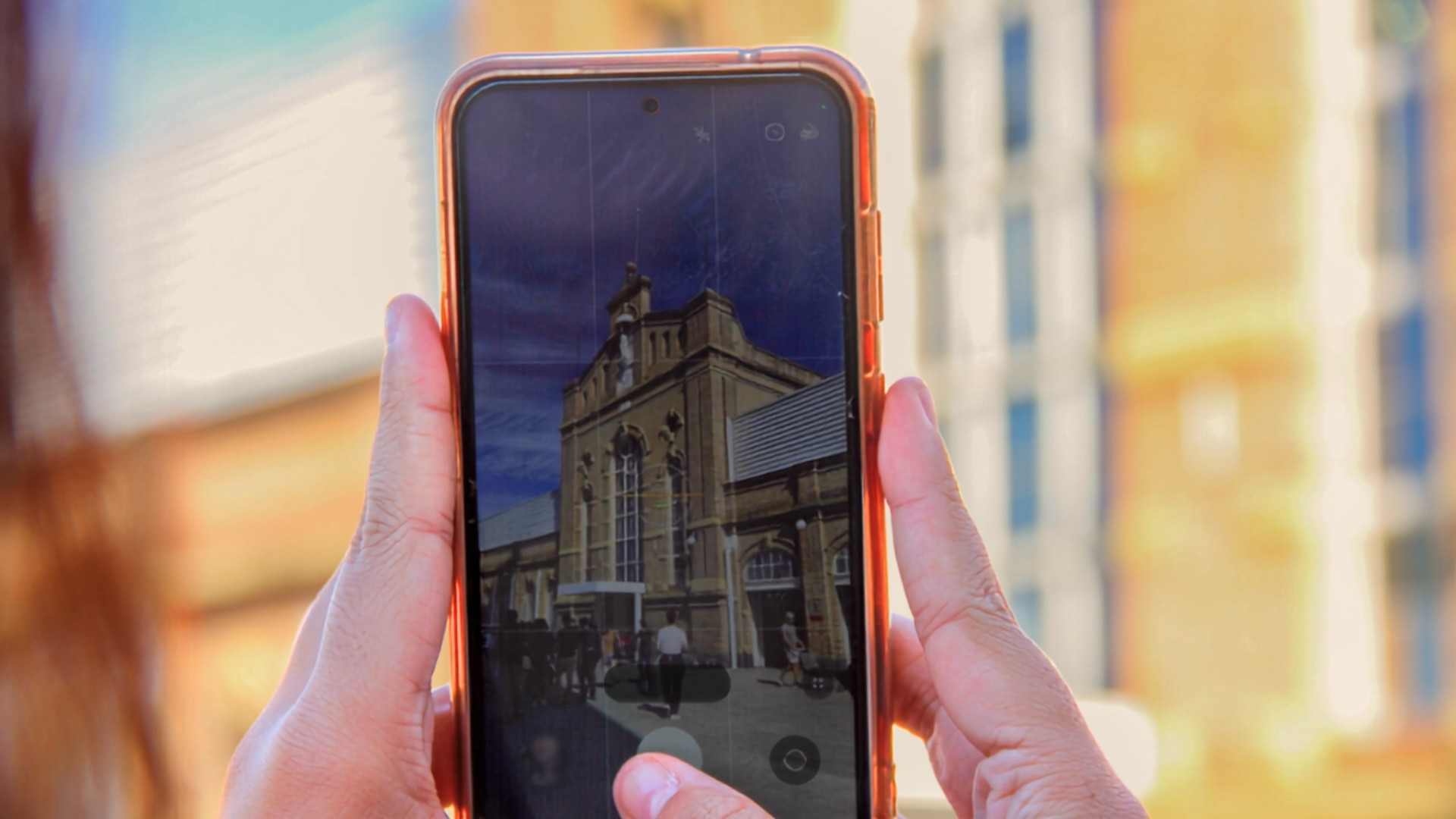
The first edition of the 'Repensar Sorocaba' Biennial is underway in Sorocaba, São Paulo, aiming to stimulate discussions and exhibitions about the city itself. The event, which began in July and extends through September, features a diverse program including lectures, exhibitions, film screenings, and cultural workshops. The core objective is to unite residents in a dialogue and foster a more affectionate perspective towards their own city, challenging the notion that opportunities for work and leisure necessitate leaving Sorocaba.
Initiated by five Sorocaba residents from various professional backgrounds, the biennial emerged from a shared sentiment of collective unease and a desire to reconnect with the city. Historian Pedro Carvalho, one of the organizers, describes the movement as an exercise in remembering belonging and changing perspectives to alter reality. The activities are free and open to all ages, with specific events planned around Sorocaba's anniversary on August 15th and 16th at the Núcleo ETC UfsCar. The biennial's planning took four months, leveraging the organizers' networks to create the schedule.
Early activities included a poetic walk through the Santa Rosália neighborhood, encouraging participants to rediscover and document their surroundings. Filmmaker and university professor Bruno Lotelli highlights that the biennial builds upon over a decade of independent cultural initiatives in Sorocaba, serving as a tool to consolidate these efforts and deepen local discourse. The organizers collectively aim to "organize the optimism of will and the pessimism of reason" among those engaged with Sorocaba's history and culture.
The 'Repensar Sorocaba' Biennial represents a grassroots effort to foster civic engagement and local identity through cultural programming. By focusing on the city's history, neighborhoods, and potential, the initiative seeks to counter outward migration and a perceived lack of local appreciation. This approach leverages cultural events as a mechanism for community building and urban revitalization, addressing a common challenge faced by many mid-sized cities. The organizers' stated goal of "organizing the optimism of will and the pessimism of reason" suggests a pragmatic yet hopeful outlook, acknowledging both the desire for change and the complexities involved. The success of such initiatives often hinges on sustained community participation beyond the event itself and the integration of citizen feedback into tangible urban development or cultural policies.
AI-generated to prompt reflection — not editorial opinion, not advice, not a statement of fact. How this works.