Sorocaba Child Protection Commission Finds No Red Flags in Miguel Case Medical Records
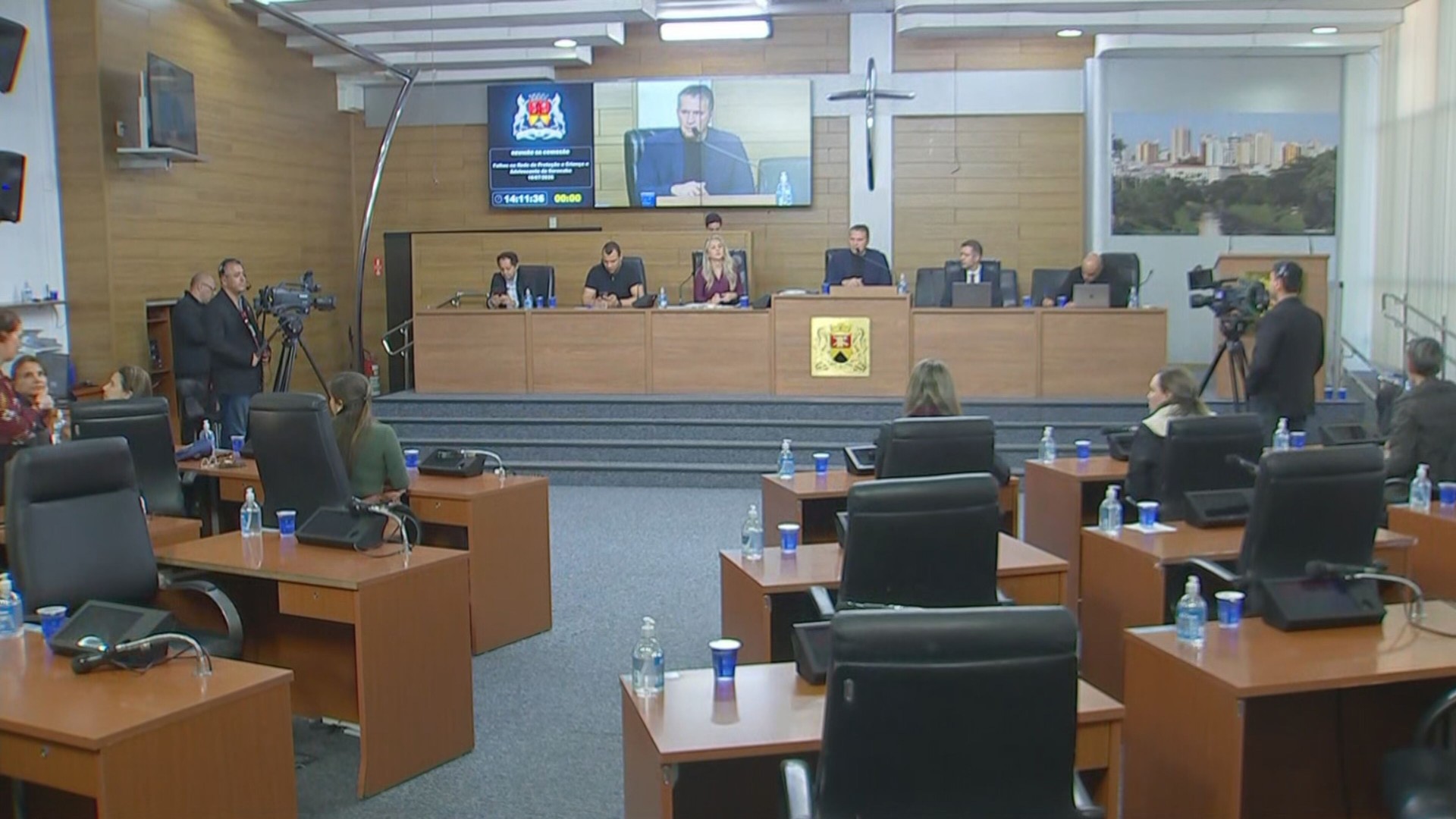
A Sorocaba city council commission investigating the child protection network's conduct has concluded its third hearing before finalizing its report. The commission, aiming to identify improvements for the municipal administration, heard testimony from municipal counselors, education professionals, and representatives of the Children's Cancer Research and Assistance Group (Gpaci) hospital. These testimonies were particularly focused on the case of baby Miguel, who died in June 2026 following physical assault and sexual abuse. Previously, medical staff from the UPA Zona Oeste, who treated Miguel four months before his death for an inflammation, stated he was referred to Gpaci for continued treatment. The commission sought clarification from Gpaci regarding their assessment and protocols. Roberto Freitas, the commission's president, stated that Gpaci provided Miguel's medical records, which showed no indicators of the child's vulnerable situation. He clarified that Gpaci did not receive additional information that would have prompted them to involve the protection network, as they identified no warning signs, and the child had been bathed and cared for at the UPA before referral. The commission also identified systemic failures, including a shortage of available counselors at Sorocaba's Tutelary Council due to municipal law 12.806, which allows a 29-day delay in calling substitutes. Currently, six positions are vacant due to leave, illness, and two counselors being suspended pending investigations. The commission also analyzed communication flows between education, health, and the Tutelary Council, finding that the health sector exhibits the most significant communication gaps with the council, unlike the education sector which has a clearer and faster reporting process. The commission's final report is expected in early August.
The investigation into baby Miguel's death highlights systemic challenges within Sorocaba's child protection framework, particularly concerning inter-agency communication and resource allocation. The commission's findings suggest that while Gpaci's records did not explicitly flag danger, the case underscores the critical need for robust protocols that proactively identify and escalate potential risks, even in the absence of overt warning signs. The identified shortage of Tutelary Council members, exacerbated by legal delays in appointing replacements, points to a governance vulnerability that could impede timely intervention. The disparity in communication effectiveness between the health and education sectors also reveals an opportunity for process optimization. Moving forward, Sorocaba may benefit from exploring technological solutions for real-time data sharing and risk assessment, alongside legislative review to ensure adequate staffing and responsiveness within the child protection network, thereby fostering a more resilient system against future tragedies.
AI-generated to prompt reflection — not editorial opinion, not advice, not a statement of fact. How this works.