Sorocaba City Council Approves R$10.3 Million Project to Expand Legislative Building
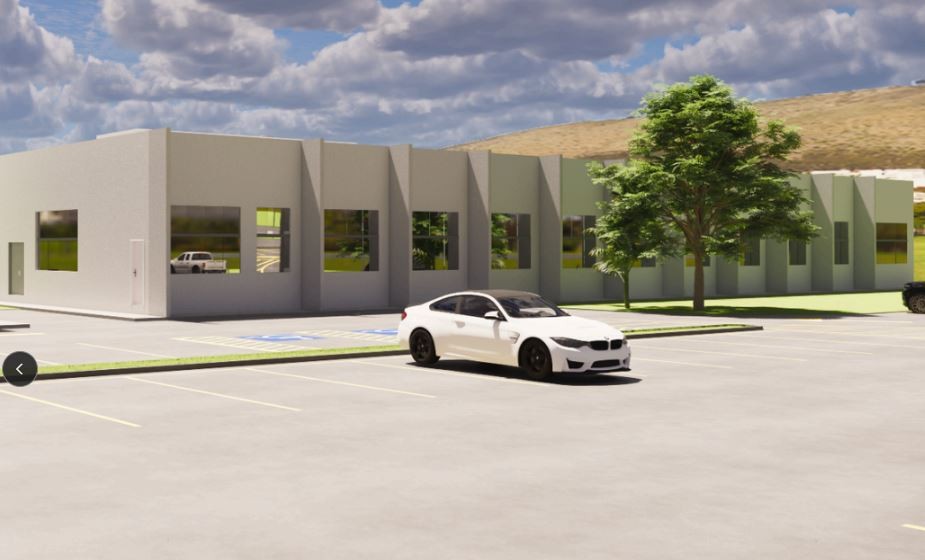
The Sorocaba City Council in São Paulo has initiated a tender process valued at R$10.3 million for the expansion of its legislative building. This project aims to accommodate the increase in the number of councilors from 20 to 25, a change mandated by an amendment to the Municipal Organic Law in 2022. The expansion is also driven by the need for more physical space due to the hiring of new public servants. The planned construction includes a new wing with five councilor offices, public restrooms, a plenary hall, a pantry, and administrative areas. Additionally, the project features a new permanent archive, an expanded parking lot, a cafeteria, accessible restrooms designed for people with disabilities and ostomized individuals, an artificial lake, and landscaping. The public tender session is scheduled for Monday, the 10th, with the construction expected to take 10 months from contract signing. This expansion contrasts with previous statements from the council in 2022, which indicated that internal adaptations would suffice for the increased number of councilors. The council now cites the need to provide equal office spaces for all 25 councilors as the primary motivation for the construction. The project also emphasizes sustainability, incorporating natural lighting and ventilation, rainwater harvesting, and solar panels to reduce energy consumption, with an estimated long-term saving of over R$18 million.
This R$10.3 million expansion project by the Sorocaba City Council highlights a common governance challenge: aligning infrastructure with evolving legislative needs and public expectations. While the stated justifications include increased councilor numbers and staff, the project's scale and features like an artificial lake and cafeteria raise questions about fiscal prudence and prioritization, especially given past assurances of internal adaptations. The council's emphasis on projected long-term energy savings, while a positive step towards sustainability, should be weighed against the immediate capital expenditure. Future legislative bodies will likely face increasing scrutiny regarding the transparency and necessity of such projects, demanding clearer justifications for public spending and robust cost-benefit analyses that account for both immediate and long-term impacts on municipal resources.
AI-generated to prompt reflection — not editorial opinion, not advice, not a statement of fact. How this works.