Sorocaba Hospitals Overwhelmed by Respiratory Illnesses; Doctors Warn Against Self-Medication
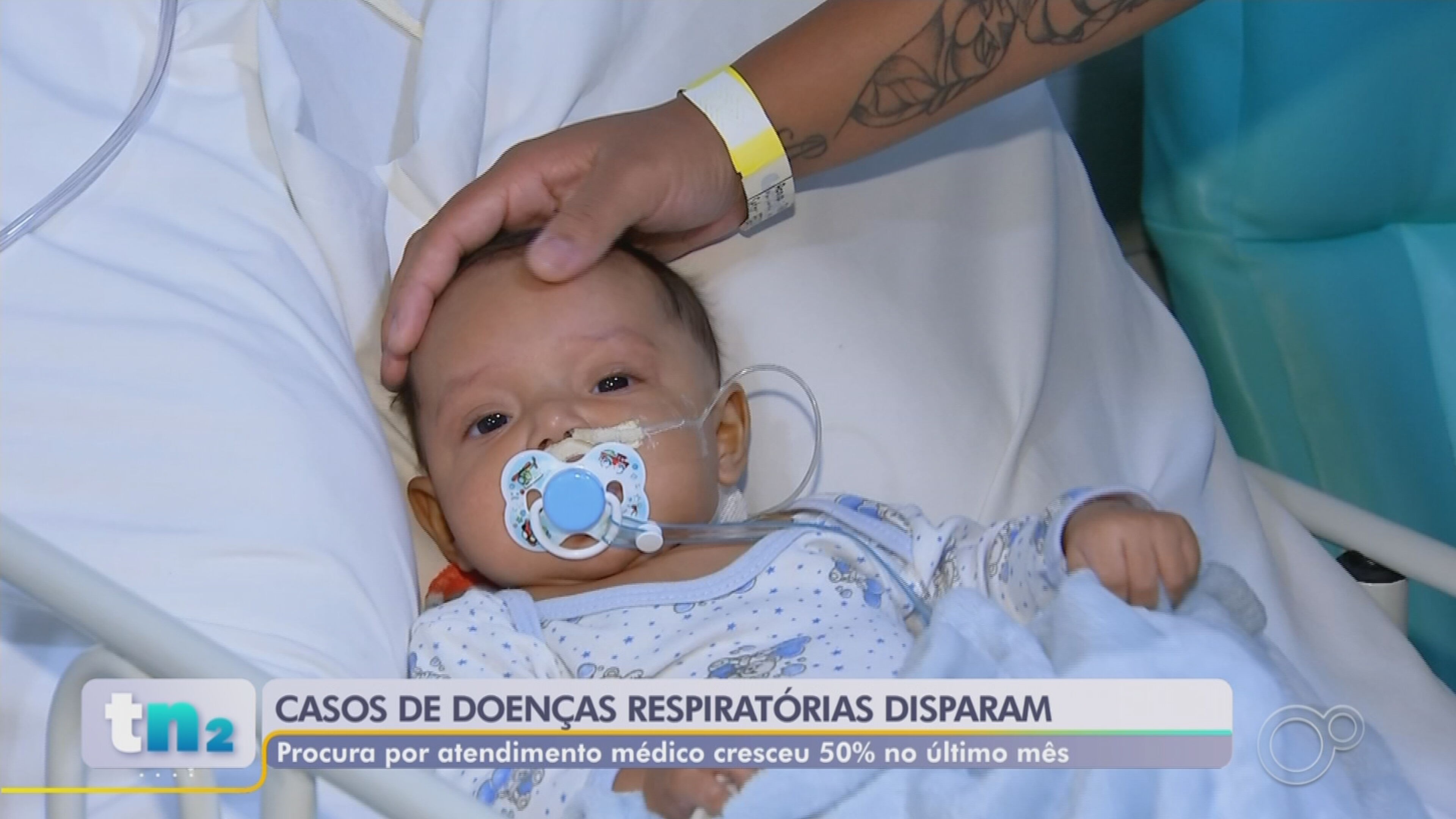
Hospitals and emergency units in Sorocaba, São Paulo, are experiencing overcrowding due to a surge in respiratory illnesses typical of autumn and winter. The Municipal Health Secretariat reports 308 cases of Severe Acute Respiratory Syndrome (SRAG) and 44 deaths from severe respiratory complications this year, with 12 of these deaths attributed to Influenza. The pediatric cancer research and treatment group Gpaci is particularly affected, with its bed occupancy rate exceeding 80% due to respiratory admissions. Many of the severely ill children at Gpaci are under one year old, including an infant hospitalized for two weeks with bronchiolitis who required intensive care. Gpaci's clinical director, André Viu Matheus, stated the hospital is operating at maximum capacity, with 30 general ward beds and all eight intensive care unit beds consistently occupied. The strain extends to the public health system, with approximately eight to ten children awaiting transfer from basic health units. Cases are expected to remain high until late August or early September, necessitating continuous adjustments to staffing schedules. In adults, the Banco de Olhos de Sorocaba, also serving as an emergency care unit, saw a more than 50% increase in patients with respiratory complaints in June compared to earlier months. Medical professionals, like otorhinolaryngologist Gabriela Brandão Cano, warn that many patients worsen their conditions by self-medicating at home. While common flu typically resolves within seven days, persistent symptoms can lead to severe bacterial complications such as acute otitis media or aggravated sinusitis if not properly treated.
The surge in respiratory illnesses straining Sorocaba's healthcare system highlights the critical interplay between seasonal health challenges and public health infrastructure capacity. The warning against self-medication underscores a prevalent societal tendency to seek immediate relief, potentially exacerbating conditions and increasing demand on already stretched medical resources. This situation points to a systemic need for enhanced public health education campaigns emphasizing appropriate medical consultation during illness. Looking ahead, the increasing frequency of such seasonal health crises, potentially amplified by climate shifts or evolving viral strains, necessitates proactive strategies for healthcare system resilience, including robust early warning systems, flexible resource allocation, and accessible primary care to mitigate the downstream effects of delayed or inappropriate treatment. The challenge lies in balancing immediate patient care with long-term public health preparedness and education.
AI-generated to prompt reflection — not editorial opinion, not advice, not a statement of fact. How this works.