Sorocaba Mayor's 'Fake Hole' Video Scenario: Public Prosecutor's Office Closes Case
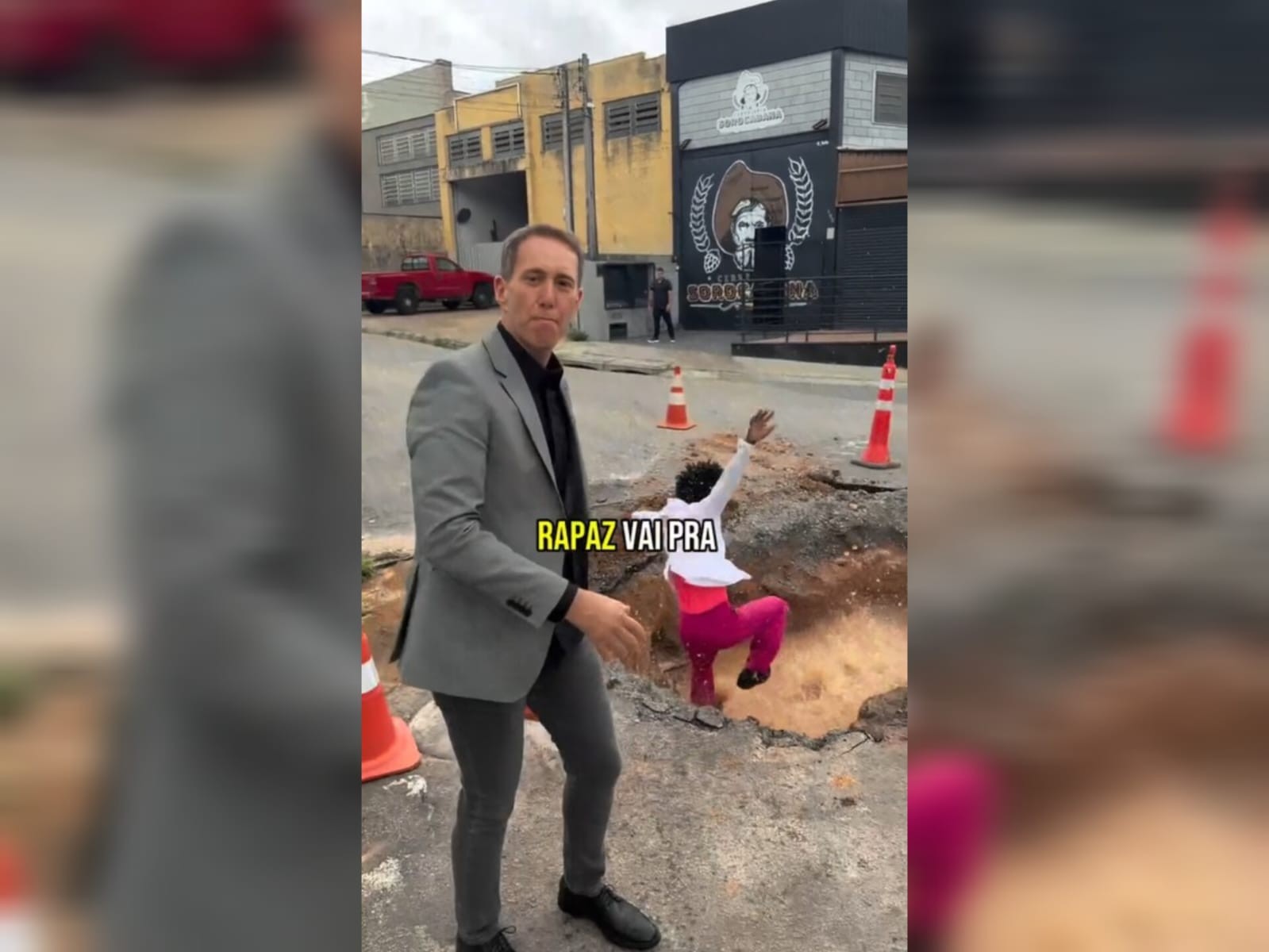
The Public Prosecutor's Office of São Paulo has closed an investigation into allegations that the Autonomous Service of Water and Sewerage (Saae) in Sorocaba, Brazil, created a "fake hole" as a backdrop for Mayor Rodrigo Manga to film a social media video. The prosecutor, Orlando Bastos, signed off on the closure on Monday, May 27th. Saae defended its actions by stating there was a prior service order for work in the area, which is known to be problematic with a history of frequent interventions. The agency argued that digging holes is a routine occurrence in a city of Sorocaba's size, making the idea of fabricating a fake hole illogical.
The prosecutor's decision cited a lack of concrete evidence of fraud, simulated work, misuse of purpose, illicit personal promotion, or administrative misconduct. The existence of prior technical documentation, a consistent history of issues at the location, and the routine nature of such interventions supported the closure. The Sorocaba mayor's office, notified on Friday, May 31st, stated that the closure confirms their administration's actions were conducted with strict legality.
However, city councilman Raul Marcelo, who initiated the complaint, has not yet been formally notified of the decision. He is reviewing the Public Prosecutor's Office's stance to determine appropriate legal actions, potentially including an appeal. The case stemmed from accusations in April by Saae employees who claimed that a hole was intentionally opened and then refilled in the Jardim Leocádia neighborhood solely to serve as a setting for Mayor Manga, known as the 'tiktoker mayor,' to record content. The mayor's office had previously maintained that the excavation was for essential sewage network maintenance, following standard internal control procedures.
The Public Prosecutor's Office's decision to close the investigation into the alleged "fake hole" scenario for Mayor Rodrigo Manga's social media video highlights the challenges in definitively proving intent for administrative misconduct when routine operational activities can be plausibly cited as justification. While the prosecutor found insufficient evidence of fraud or illicit promotion, the underlying complaint from Saae employees points to a potential disconnect between public perception of official actions and the administrative realities. Moving forward, public agencies may need to enhance transparency protocols around content creation, particularly when it involves potentially disruptive infrastructure work, to preemptively address public skepticism and maintain trust in governance. This situation underscores the evolving landscape of political communication in the digital age, where the performance of governance can be as scrutinized as the governance itself.
AI-generated to prompt reflection — not editorial opinion, not advice, not a statement of fact. How this works.