Sorocaba Municipal Guard Adopts Standardized Force Usage Protocol
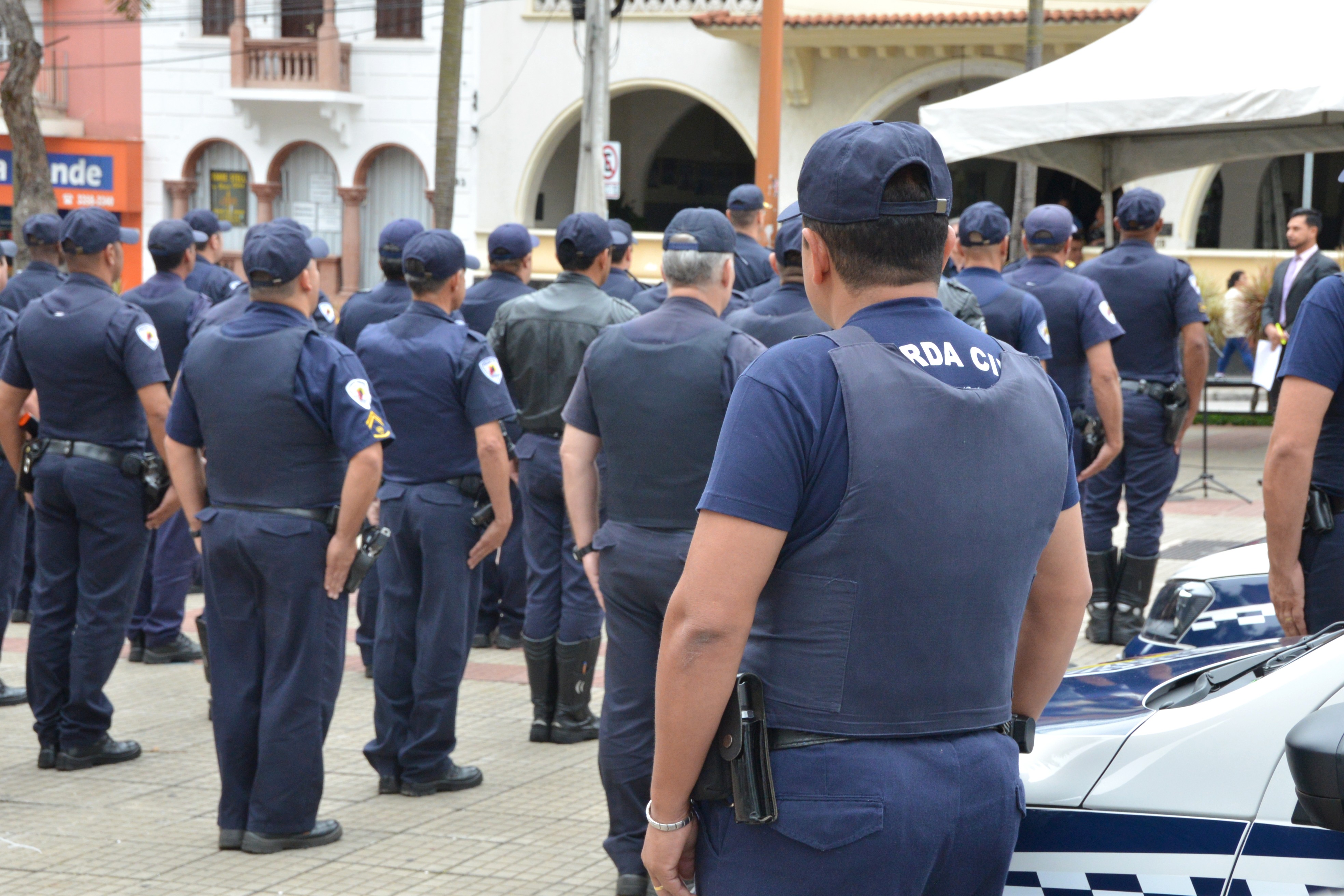
The Municipal Civil Guard (GCM) of Sorocaba, Brazil, has implemented a Standard Operating Procedure (POP) for the use of force during its operations. This directive, established by the Secretariat of Urban Security (Sesu) and published on July 24, aims to guide GCM officers on appropriate force application in routine incidents. The POP aligns with a federal Ministry of Justice and Public Security ordinance regulating the use of force by public security professionals. It mandates that guards must document all actions involving force, including incident details, officer identification, and a justification for the threat and containment measures used. The protocol prioritizes de-escalation techniques such as communication, verbalization, negotiation, and mediation, designating firearms as a last resort. The use of less-lethal weapons requires specific training and command authorization. Non-compliance with these parameters subjects officers to administrative, civil, and criminal accountability, while ensuring due process. The document also emphasizes that a person's vulnerability must be considered, and force should cease once the threat is controlled. Immediate assistance must be provided to any injured individuals. Sesu stated that the POP standardizes procedures, provides legal certainty, and reinforces fundamental rights, viewing it as an institutional evolution to align with federal legislation and best practices. The adoption of the POP is also a requirement for Sorocaba to participate in the federal "Safer Municipality" program, which offers resources for municipal guard modernization and integration into the National Public Security System. Legal experts view the POP as a crucial guideline that reinforces existing norms, promotes awareness of force usage, and supports investigations into potential misconduct, especially in light of past incidents where guards were convicted for torture.
The Sorocaba Municipal Guard's adoption of a Standard Operating Procedure for the use of force represents a structural effort to codify and standardize responses to public safety incidents. This move, influenced by federal mandates and aimed at accessing national security program resources, seeks to balance operational effectiveness with legal accountability. By emphasizing de-escalation and defining clear parameters for force application, the POP aims to mitigate risks of excessive force and provide legal protection for officers acting within established guidelines. This procedural evolution is critical in an era where public trust in law enforcement is increasingly tied to transparency and adherence to human rights principles. The protocol's success will hinge on consistent training, rigorous oversight, and a commitment to addressing any deviations from its directives, thereby fostering a more predictable and rights-respecting security environment.
AI-generated to prompt reflection — not editorial opinion, not advice, not a statement of fact. How this works.
