Sorocaba New Bus Terminal Construction Halted After Worker Fall
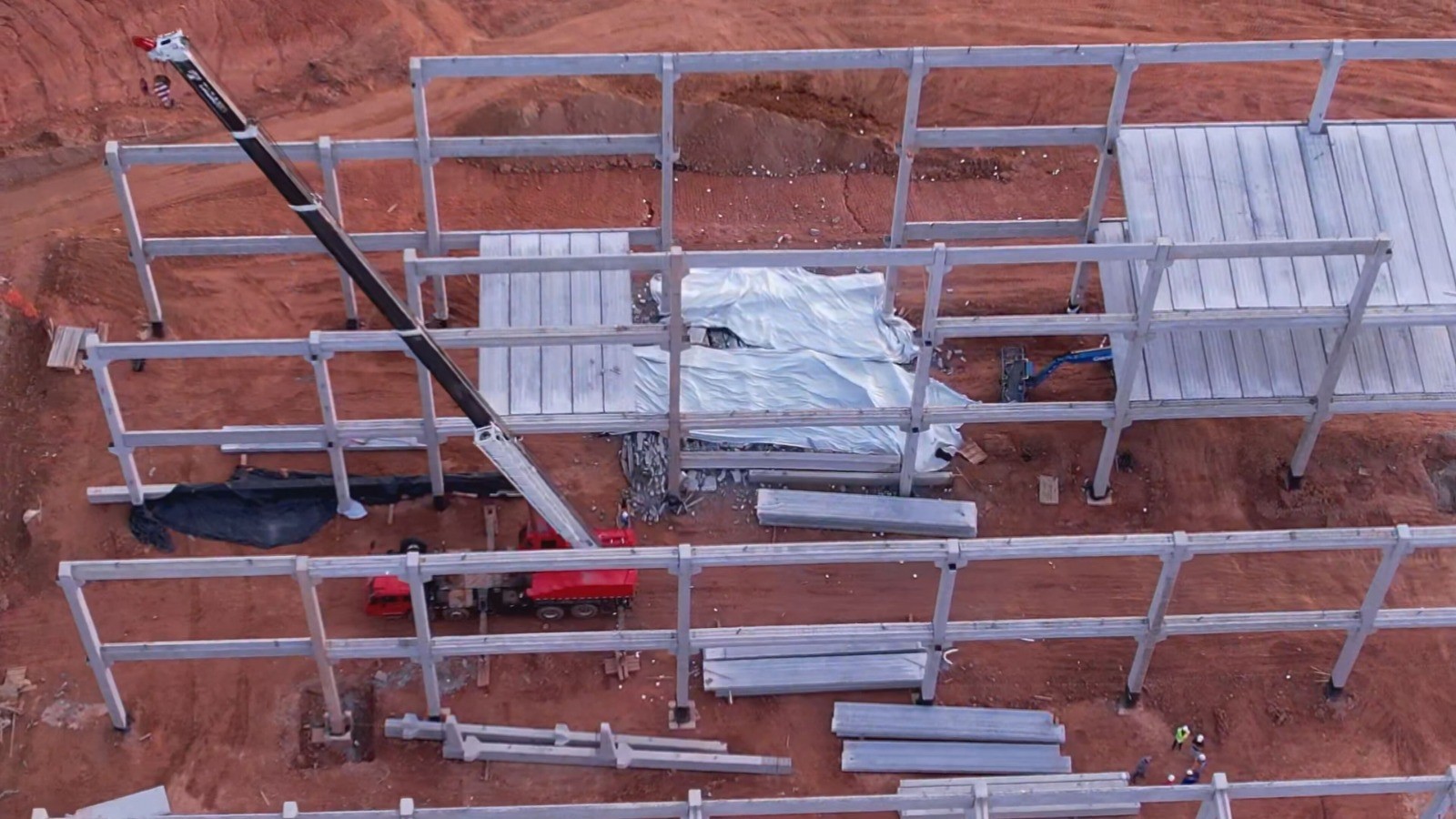
The Ministry of Labor and Employment (MTE) in Sorocaba, São Paulo, has suspended all work at heights on the new city bus terminal construction site. This action was taken on Monday, November 27th, following an accident on Thursday, November 23rd, where a 25-year-old worker fell from a concrete slab. The worker sustained a fractured ankle as a result of the fall. An audit by MTE inspectors revealed that while the worker was wearing a safety harness, it was not properly anchored at the time of the incident. The construction company responsible for the project has been cited for creating an unsafe working environment. The consortium TMS Increte Pisos, overseeing the construction, must submit requested documents to the MTE to finalize the safety assessment and potentially resume work at heights. The company also has the right to appeal the fine issued due to the accident. The total cost of the new bus terminal, located on Avenida Doutor José Bella Netto, is estimated at R$ 72 million, with a projected completion date of August 2026. The five-story terminal will span over 20,000 square meters and is designed to resemble an airport terminal, including space for a shopping center. However, the project has faced criticism regarding its distance from the city center and has experienced delays due to rain and technical adjustments.
The incident highlights a critical gap between safety protocols and their implementation on large-scale construction projects. While safety equipment like harnesses was present, its effective use was compromised, leading to a preventable injury. This situation underscores the importance of rigorous on-site supervision and continuous training to ensure that safety regulations are not merely procedural but are actively and correctly applied. For future infrastructure projects, particularly those with significant public investment like the R$ 72 million Sorocaba bus terminal, a more robust oversight mechanism could be beneficial. This might involve independent safety audits at key construction phases and clearer accountability frameworks for consortiums and subcontractors to prevent such lapses and ensure worker well-being, thereby avoiding project delays and potential cost overruns.
AI-generated to prompt reflection — not editorial opinion, not advice, not a statement of fact. How this works.