Sorocaba Region Sees 35 Workplace Accidents Daily, Up 3% Year-Over-Year
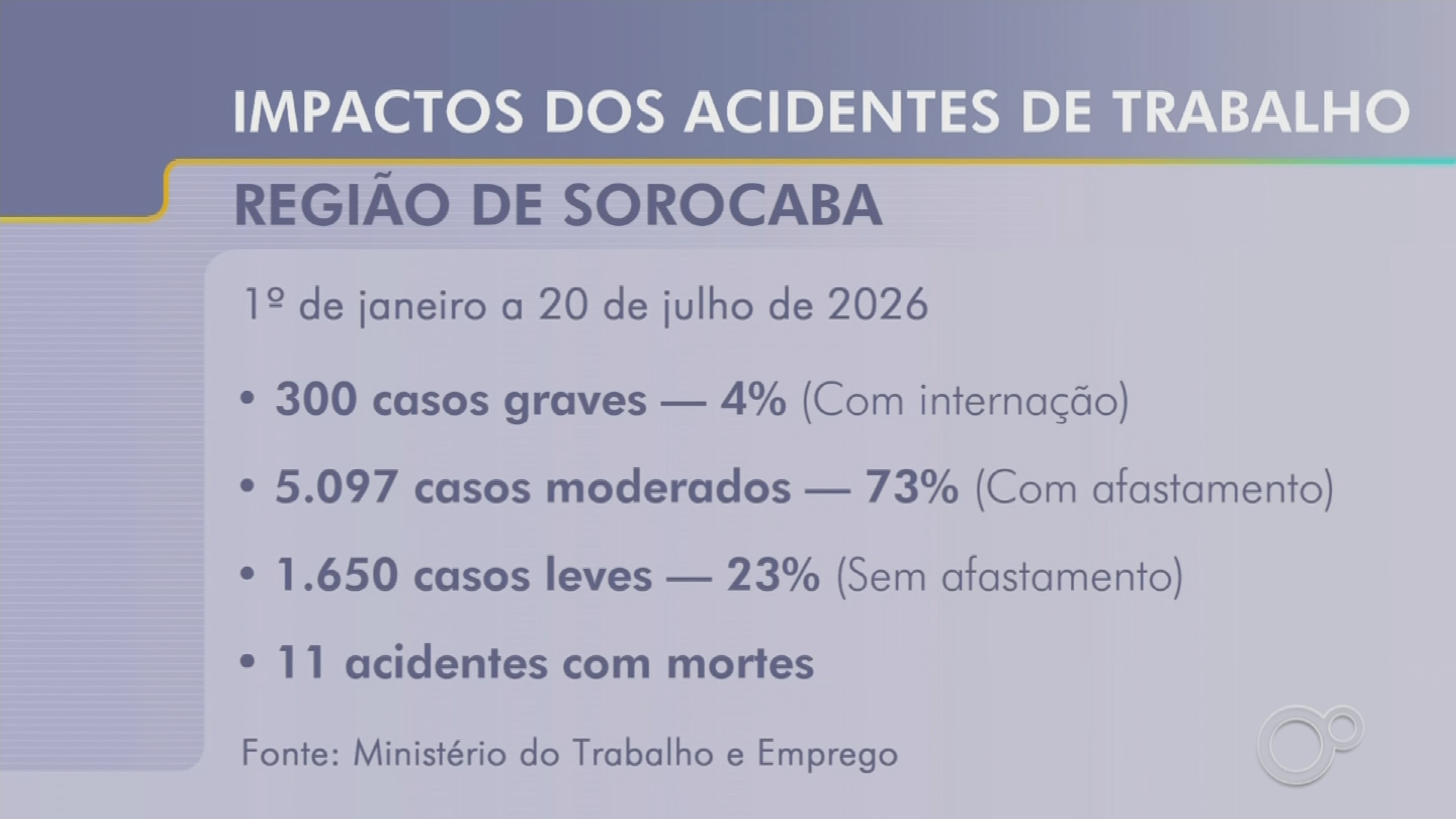
The Sorocaba region in São Paulo, Brazil, has recorded an average of 35 workplace accidents per day between January and June of 2026. This figure represents a total of 7,047 reported incidents across the 58 municipalities served by the Regional Labor Management of Sorocaba. The number of accidents has increased by 3% compared to the same period in the previous year. Key sectors experiencing the highest number of incidents include slaughterhouses, civil construction, hospitals, supermarkets, industries, and road freight transport. Of the reported accidents, 73% were moderate, resulting in 5,097 cases. Additionally, 300 serious accidents required hospitalization, and sadly, 11 fatalities were recorded within the first half of 2026. The majority of these cases led to workers being unable to perform their duties. Paulo Bonilha, the regional manager of the Ministry of Labor and Employment (MTE), emphasized that companies bear the primary responsibility for worker safety, stating that many accidents could be prevented through proper risk management. The MTE conducts preventive and scheduled inspections, investigates complaints, and follows up on reported accidents. Workers can anonymously report unsafe conditions via the MTE website or in person. Separately, an accident on Thursday, August 23rd, involved a 25-year-old man falling 5 meters at the construction site of Sorocaba's new bus station. MTE auditors are inspecting the site, and some work activities were halted on August 27th due to MTE's determination.
The reported increase in workplace accidents in the Sorocaba region, particularly in sectors like construction and industry, highlights a potential systemic gap in occupational safety management. While the MTE emphasizes corporate responsibility and risk mitigation, the data suggests that current preventive measures may be insufficient to counter human error or systemic oversights. The rise in incidents, despite stated efforts, indicates a need to critically examine the efficacy of existing safety protocols and enforcement mechanisms. Future strategies should focus on leveraging data analytics to identify high-risk patterns, enhancing worker training on hazard recognition, and exploring technological solutions for real-time safety monitoring. A decade from now, the integration of AI in predictive safety analytics and automated compliance checks could significantly reduce such occurrences, fostering a more resilient and secure work environment.
AI-generated to prompt reflection — not editorial opinion, not advice, not a statement of fact. How this works.