Sorocaba Region Sees Over 1,300 Severe Acute Respiratory Illness Cases and 90 Deaths
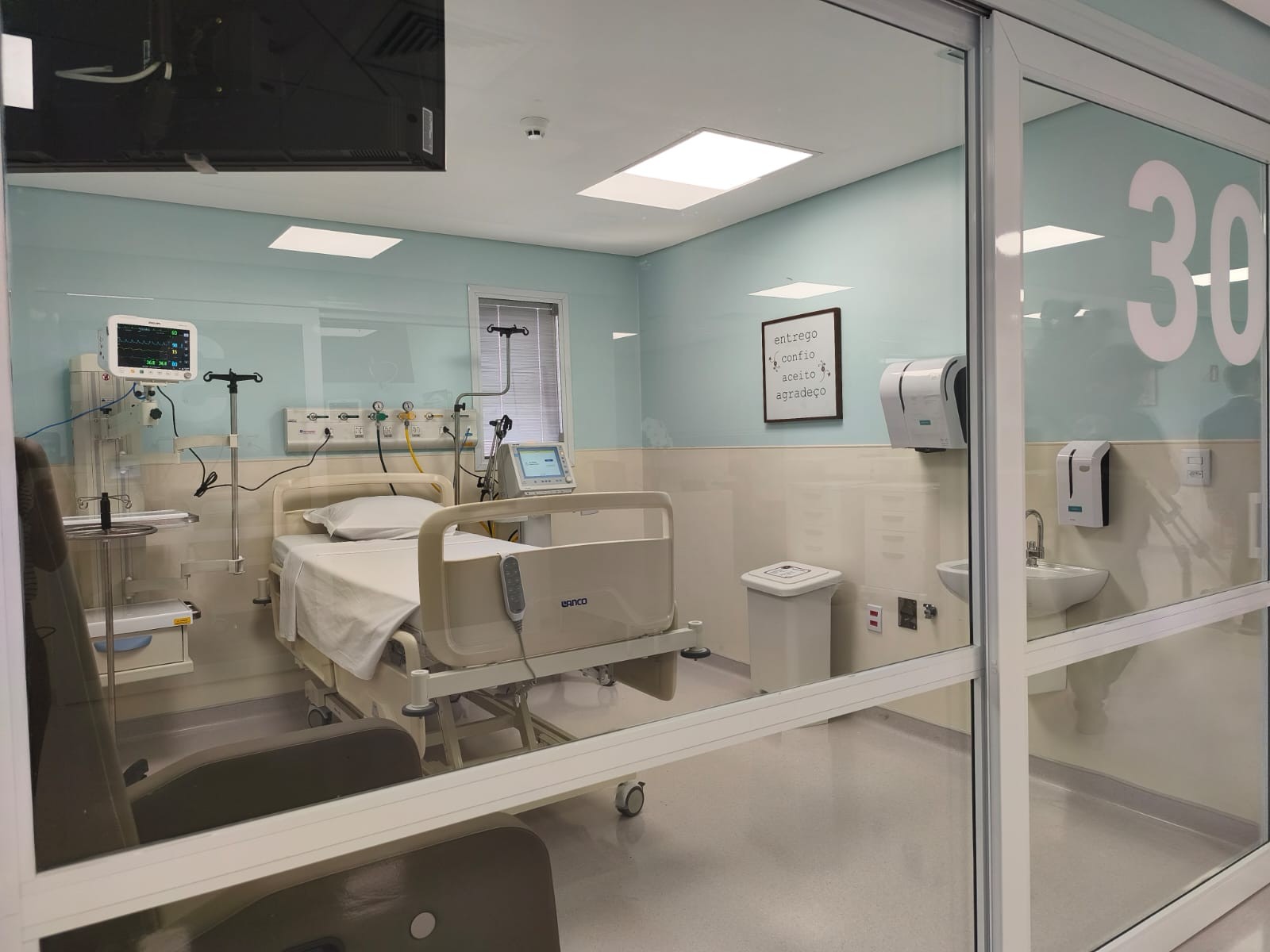
The Sorocaba region in São Paulo, Brazil, has recorded over 1,300 cases of Severe Acute Respiratory Illness (SRAG), resulting in 90 fatalities, according to the State Secretariat of Health. Across the entire state of São Paulo, SRAG has led to more than 32,000 cases and nearly 1,700 deaths as of 2026. This surge in respiratory illnesses is straining hospital resources, with approximately 50 individuals waiting for beds at Santa Casa in Sorocaba. The situation is also critical for children, as the Grupo de Pesquisa e Assistência ao Câncer Infantil (Gpaci), a leading pediatric hospital in Sorocaba, reported 90% occupancy of its beds. Compounding these concerns, the Sorocaba City Hall stated that fewer than 40% of children under five years old have received the flu vaccine. The vaccine is available at all 33 Basic Health Units (UBS) for individuals aged six months and older.
The high incidence of Severe Acute Respiratory Illness (SRAG) and associated deaths in the Sorocaba region, alongside significant hospital bed occupancy, highlights potential systemic vulnerabilities in public health preparedness and response. The low flu vaccination rate among young children, despite vaccine availability, suggests challenges in public health outreach, vaccine hesitancy, or access barriers. This situation underscores the importance of robust vaccination campaigns and accessible healthcare infrastructure, particularly in the face of evolving respiratory pathogens. Looking ahead, the interplay between vaccination coverage, healthcare system capacity, and the emergence of new viral strains will be critical determinants of public health outcomes in the coming decade.
AI-generated to prompt reflection — not editorial opinion, not advice, not a statement of fact. How this works.