Sorocaba's Aparecidinha Pilgrimage: 200+ Years of Faith, Hope, and Devotion
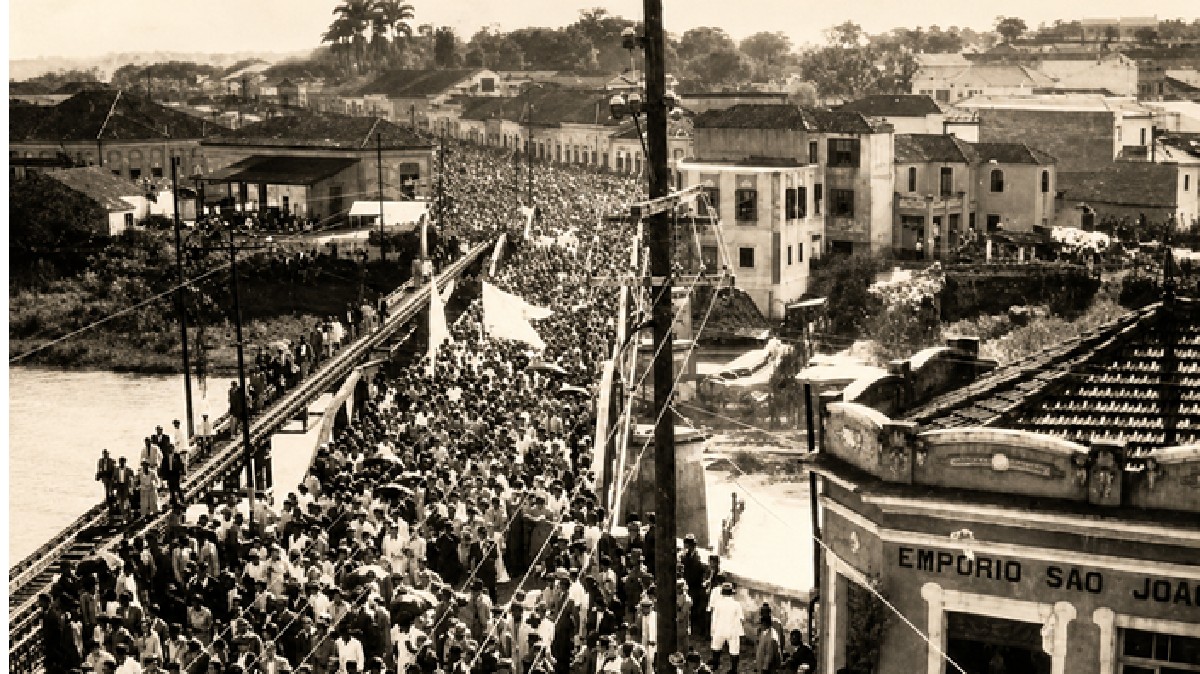
The Aparecidinha Pilgrimage, a deeply rooted tradition in Sorocaba, São Paulo, is set to attract an estimated 100,000 devotees this Sunday, July 12th. This significant religious event, officially in its 127th year but with historical roots stretching back over 200 years to the 18th century, continues to be a powerful expression of Christian and Catholic faith, passing down devotion to Brazil's patroness to new generations. The tradition began in 1782 when drovers brought a clay image of the Virgin Mary, which was placed on a tree near the current cemetery, marking the origin of this spiritual gathering. The current format, with fixed dates for the image's procession, was established in 1899 by Monsignor João Soares, with the image traveling to the Metropolitan Cathedral and then returning to Aparecidinha. A poignant moment of the pilgrimage is the stop at the Santa Casa de Misericórdia de Sorocaba, where the image is brought inside, offering solace and hope to the sick and suffering, a practice linked to historical recoveries from epidemics attributed to divine intervention. Participants like Márcia Pereira de Moura Garcia, who has walked in the pilgrimage since 2015, share personal stories of answered prayers, including securing a home and now praying for her husband's kidney transplant. The event is considered the largest historical, popular, religious, and cultural happening in Sorocaba, drawing people for various reasons but uniting them in faith and tradition. The new metropolitan archbishop of Sorocaba, Dom José Roberto Fortes Palau, will participate for the first time, expressing his anticipation of witnessing and guiding the faithful in this profound expression of Brazilian devotion to the Virgin Mary.
The Aparecidinha Pilgrimage exemplifies the enduring power of faith-based traditions in shaping community identity and providing social cohesion over centuries. Its longevity, spanning over 200 years and officially 127 iterations, highlights a consistent societal need for collective ritual and spiritual solace, particularly in times of hardship or uncertainty. The event's integration of historical narratives, personal testimonies of answered prayers, and the participation of religious leaders underscores its multifaceted role—from cultural heritage to a mechanism for intergenerational faith transmission. From a systemic perspective, such large-scale religious gatherings can foster significant economic activity through local commerce and tourism, while also serving as a vital social safety net by reinforcing community bonds and shared values. The pilgrimage's ability to adapt and persist, even as societal structures evolve, suggests that deeply ingrained devotional practices can offer a stable anchor for collective well-being and a powerful conduit for expressing hope and resilience across generations.
AI-generated to prompt reflection — not editorial opinion, not advice, not a statement of fact. How this works.