Sorocaba's Aparecidinha Pilgrimage Draws 100,000 Devotees
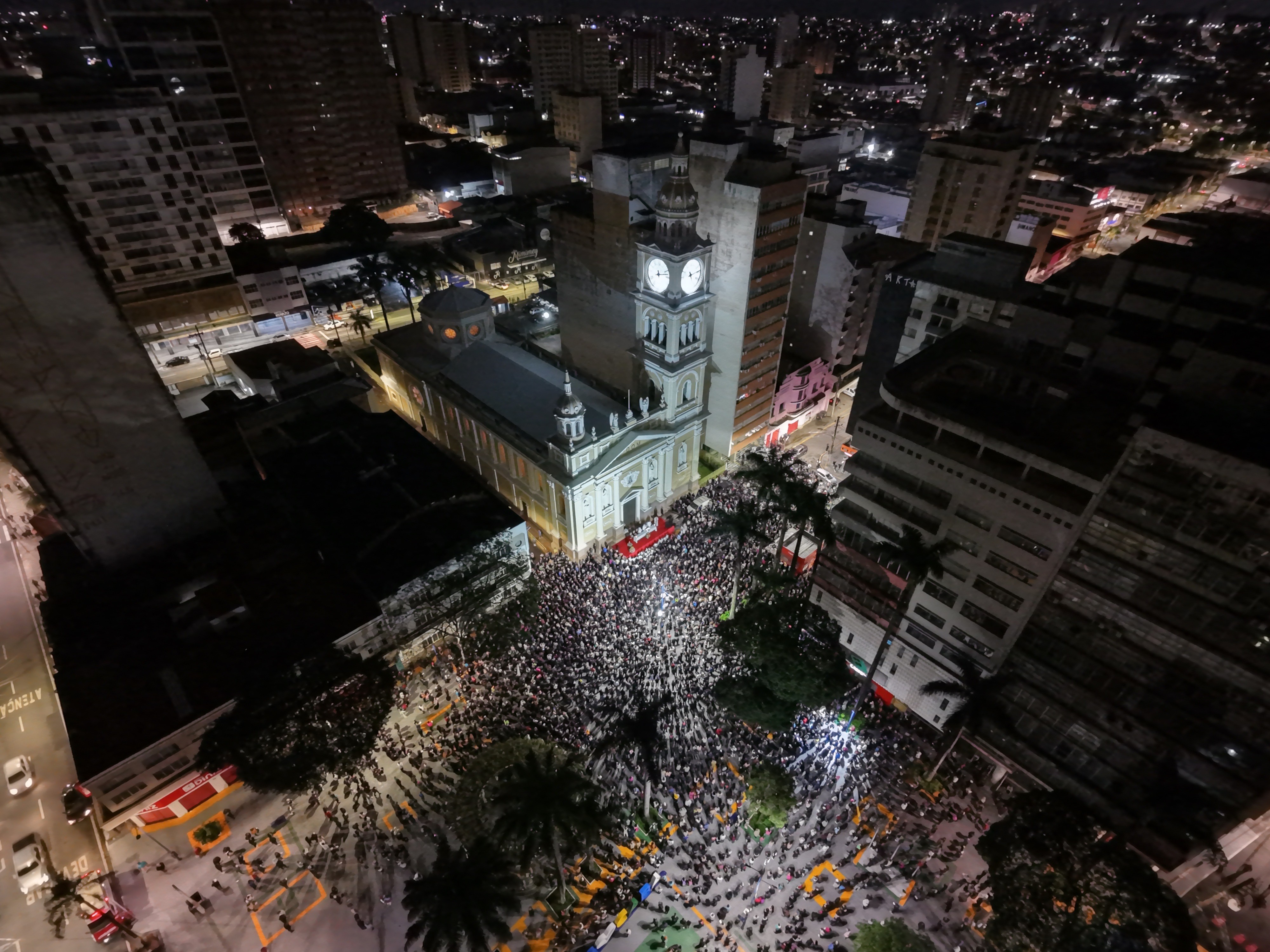
The annual Aparecidinha Pilgrimage in Sorocaba, São Paulo, Brazil, saw an estimated 100,000 faithful gather on Sunday, July 12th. This deeply rooted religious event, officially in its 127th iteration, boasts a history stretching back over 200 years. Aerial views captured the immense crowd, comprising individuals of all ages, demonstrating the enduring power of faith to unite strangers.
The pilgrimage's formal structure was established in 1899 by Monsignor João Soares, with two key dates: January 1st, when the image travels from Aparecidinha to the Metropolitan Cathedral, and the second Sunday in July, marking its return to Aparecidinha. The origins of this devotion, however, trace back to 1782 when drovers brought a clay image of the Virgin Mary, reportedly left on a tree near the site of the current sanctuary. This historical narrative has been documented by journalist Sandra Pires, drawing on research by historian Aluísio de Almeida.
Father Tadeu Rocha Moraes, pastor of the Sorocaba Cathedral, highlights the pilgrimage's profound historical, popular, religious, and cultural significance for the city. He describes the emotional spectacle of witnessing tens of thousands walk the approximately 15-16 kilometer route, often before dawn, drawn by faith, tradition, or curiosity. The event, recognized as a traditional religious manifestation in São Paulo and part of the State Tourist Calendar since 2009, has seen participation figures as high as 60,000 in recent years, with historical accounts suggesting even larger numbers. A notable improvement for participants is the recent asphalting of Avenida Três de Março, transforming a former dirt road into a smoother path.
This large-scale religious gathering underscores the persistent role of faith-based events in fostering community cohesion and cultural identity, even in an increasingly secularized world. The enduring popularity of the Aparecidinha Pilgrimage, spanning centuries, suggests a deep-seated human need for shared ritual and spiritual connection. From a societal perspective, such events can act as significant economic drivers through tourism and local commerce. Looking ahead, the integration of modern infrastructure, like the recently paved Avenida Três de Março, alongside centuries-old traditions, illustrates a dynamic interplay between heritage preservation and contemporary development. The challenge for organizers and local authorities will be to balance the logistical demands of massive crowds with maintaining the spiritual essence and historical integrity of the pilgrimage, ensuring its relevance and sustainability for future generations.
AI-generated to prompt reflection — not editorial opinion, not advice, not a statement of fact. How this works.