Sorocaba to Deploy Smart Traffic Signals on BRT Corridors Starting August 15
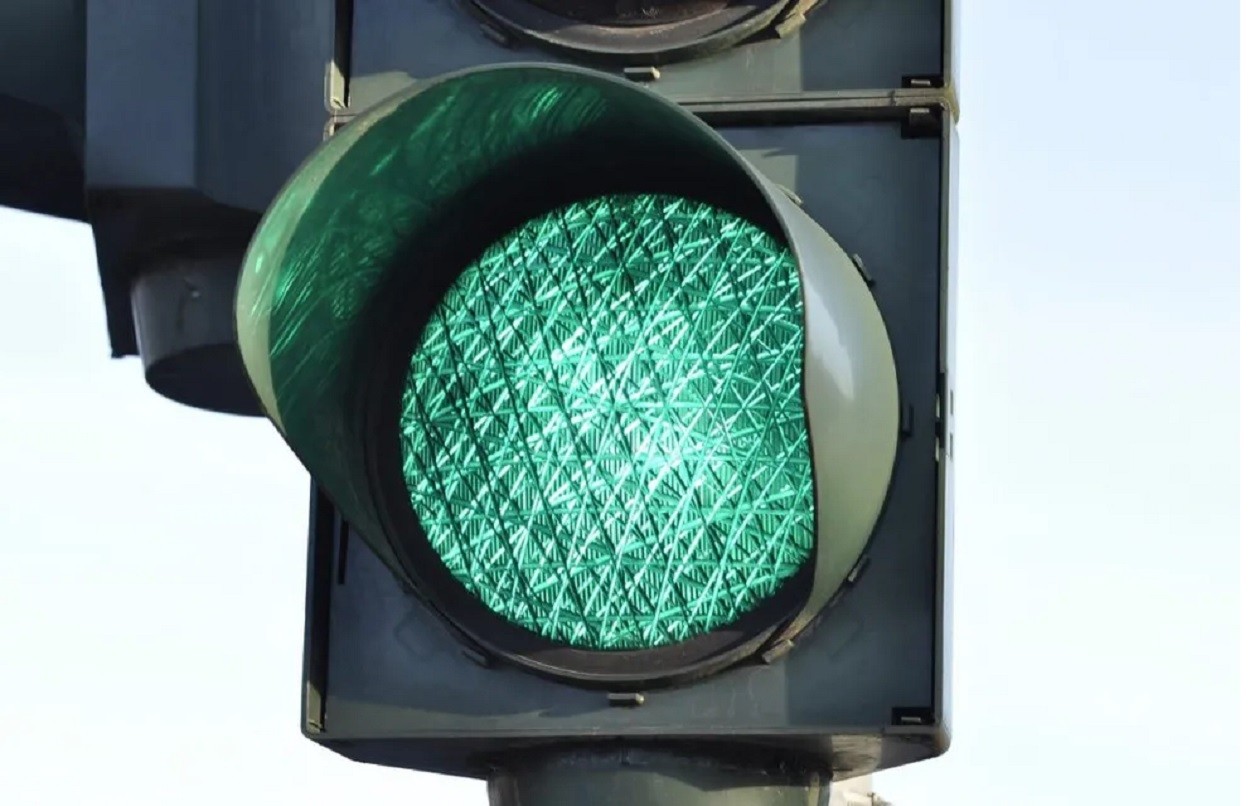
Sorocaba, São Paulo, will begin operating intelligent traffic signals on its BRT (Bus Rapid Transit) corridors starting August 15, coinciding with the city's 372nd anniversary. This initiative is a collaboration between the Sorocaba City Hall and the concessionaire BRT Sorocaba, funded by the Novo PAC program through Caixa Econômica Federal. The contract has been signed, and initial engineering and equipment procurement for the control center are underway. The full system implementation is expected to take 24 months, after which the Secretariat of Urban Mobility (Semob) will manage the system.
The smart traffic signals aim to enhance the efficiency of the BRT system and improve vehicle flow within the corridors. These are not speed cameras but traffic flow controllers. The technology allows signal timing to adjust automatically based on real-time traffic measurements, eliminating the need for human operators. The intelligent signals will be installed on key BRT routes, including Avenida São Paulo, Avenida Antônio Carlos Comitre, Avenidas General Carneiro and Armando Pannunzio, Avenidas Itavuvu and Ipanema, and Avenidas Comendador Oeterer and Hermelino Matarazzo. A dedicated website, "Smart Sinal Sorocaba," has been launched to track the implementation progress.
The project, previously announced in December 2025, seeks to boost public transport efficiency, reduce bus travel times, and improve road safety. City officials emphasize the importance of drivers and pedestrians respecting traffic signals and acting responsibly to ensure safer roads, noting that imprudence, negligence, and lack of skill are primary causes of traffic violations.
The introduction of intelligent traffic signals in Sorocaba's BRT corridors represents a strategic investment in urban mobility infrastructure, leveraging federal funding to optimize public transportation efficiency. By automating signal adjustments based on real-time traffic data, the system aims to reduce congestion and travel times, potentially increasing the attractiveness of public transit. This technological upgrade aligns with broader trends in smart city development, where data-driven solutions are employed to manage urban complexities. The project's success will likely depend on effective integration with existing transit operations and continued investment in maintenance and system upgrades over the next decade, as cities globally grapple with the challenges of population growth and the imperative to decarbonize transportation.
AI-generated to prompt reflection — not editorial opinion, not advice, not a statement of fact. How this works.