Sorocaba University Uses Taxidermied Animal Museum for Education and Research
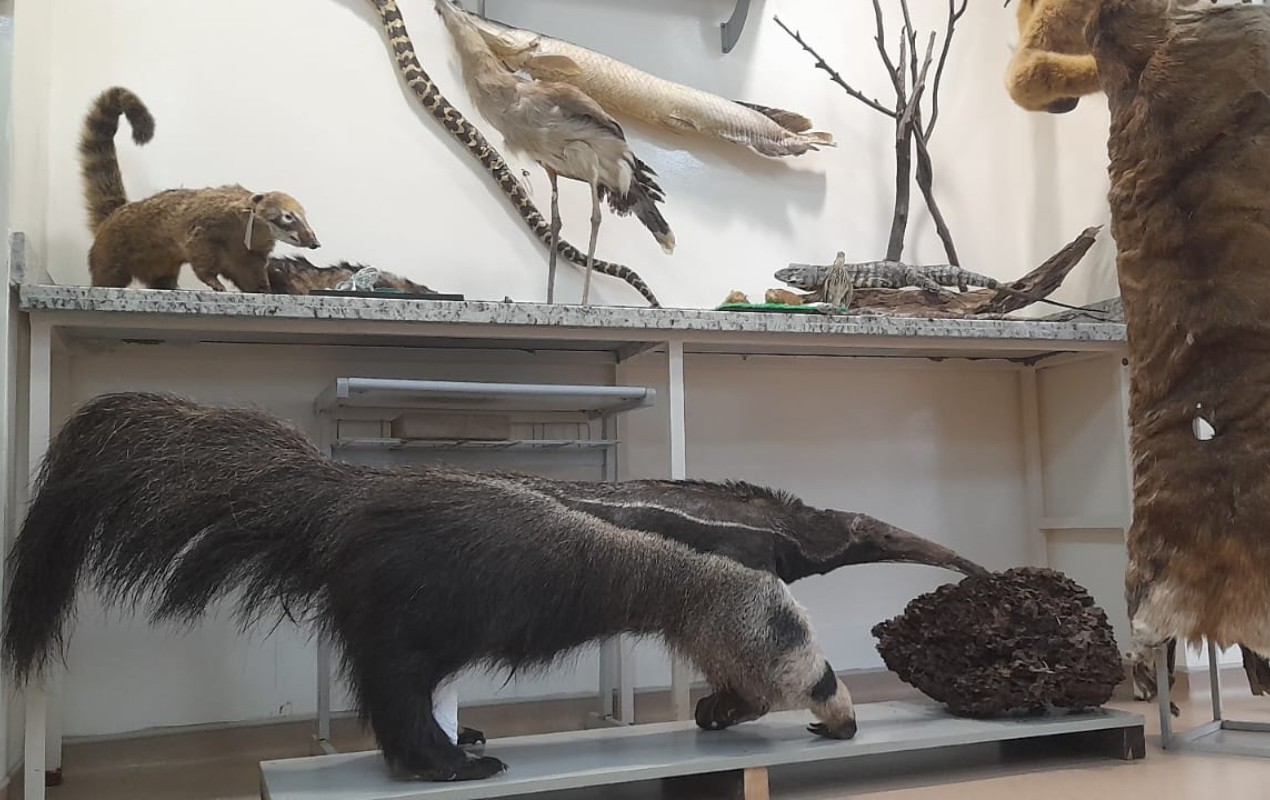
The Universidade de Sorocaba (Uniso) in Brazil utilizes a collection of taxidermied wild animals as a vital tool for teaching and research in its Biology and Veterinary Medicine programs. This extensive collection, featuring specimens like the giant anteater, macaws, toucans, peacocks, quail, rats, tegu lizards, and pythons, also serves educational purposes for environmental police. Professor and biologist Ronnie Von Mateus Ferreira detailed the taxidermy process, which involves skinning, creating an internal structure, stuffing with materials like hydrophobic cotton, and preserving the skin. He noted that dissecting a medium-sized specimen, such as a rat, can take about six hours, and the process requires ongoing maintenance against humidity, dust, and light. In Votorantim, São Paulo, the Sítio Reino Animal also maintains a taxidermied collection for environmental education, allowing visitors supervised interaction with the pieces. Uniso offers an eight-hour minicourse on taxidermy for students, with a practical focus, typically held during their Biology Week in September or Veterinary Medicine's academic week in October. The article also touches upon the legality of transporting taxidermied animals, referencing a case where footballer Erling Haaland purchased a taxidermied raccoon. Brazilian law requires proof of legal origin for any taxidermied wildlife, necessitating documentation for animals found dead, confiscated, or from authorized breeding facilities to prevent illegal trafficking and hunting. Collections in educational institutions must also demonstrate their academic purpose and be handled by authorized individuals.
The use of taxidermied animals in educational settings like Uniso highlights a practical approach to biological study, offering tactile learning experiences that complement traditional methods. This practice, however, necessitates strict adherence to legal frameworks governing wildlife, ensuring that specimens are sourced ethically and without contributing to illegal trade or hunting. The underlying challenge lies in balancing the educational benefits derived from preserved specimens against the evolving ethical considerations surrounding animal welfare and the symbolic representation of wildlife. As technology advances, future educational models may explore more sophisticated digital simulations or ethical sourcing of biological materials, prompting a reevaluation of traditional preservation techniques and their long-term viability in a society increasingly focused on conservation and animal rights.
AI-generated to prompt reflection — not editorial opinion, not advice, not a statement of fact. How this works.