Sorocaba wildlife threatened by lack of care, fear, and misinformation
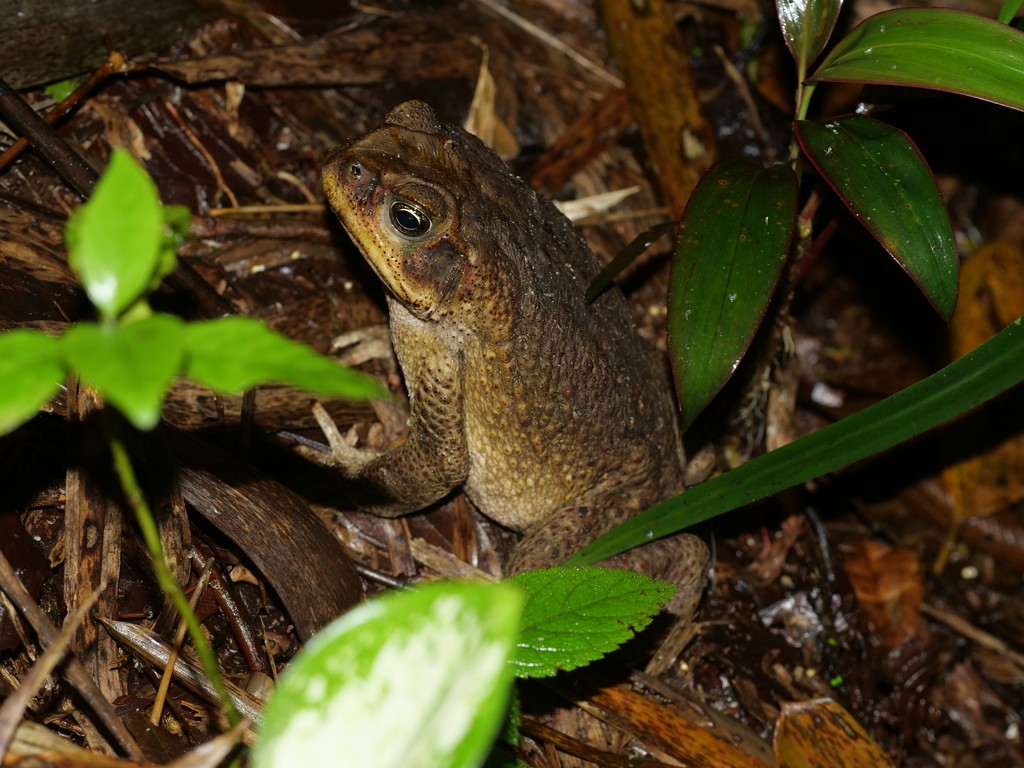
Wildlife in the Sorocaba region of São Paulo, Brazil, faces significant threats due to the absence of a local Wildlife Animal Screening Center (Cetas) and widespread fear and misinformation among residents. Many species, including frogs, snakes, opossums, and spiders, are killed by people who are unaware of their crucial roles in maintaining ecological balance. This prejudice is amplified by social media, with cruel practices like salting frogs and slugs being mocked. The nearest rescue and rehabilitation facility is in São Roque, making it difficult to provide timely aid to injured animals.
Veterinarian Paula Nochelli Prata highlights that visual repulsion often leads people to overlook the ecological benefits these animals provide, such as pest control, seed dispersal, and pollination. Lizards, for instance, help control insects like mosquitoes and cockroaches, while opossums prey on scorpions and rodents. Bats contribute to insect control and pollination, and slugs are vital for nutrient recycling and decomposition. Snakes help manage rat populations, and frogs and spiders naturally reduce insect numbers. The lack of local infrastructure forces residents to often care for injured animals themselves, incurring personal costs.
Prata emphasizes that the disappearance of these animals disrupts the natural network, leading to increased pest populations, which in turn prompts greater pesticide use, harming pollination and natural regeneration. This impacts public health, agriculture, and overall quality of life. She debunks common myths, stating that most bats don't feed on blood, touching frogs doesn't cause warts, and most spiders and snakes are harmless unless provoked. The primary recommendation is to maintain calm, avoid harming or manipulating wildlife, and contact responsible authorities for dangerous species like snakes or bats. Respecting these animals is crucial for both human safety and environmental equilibrium.
The situation in Sorocaba underscores a systemic gap in urban wildlife management, exacerbated by a lack of public education and accessible support infrastructure. The reliance on individual citizens for animal rescue and care, coupled with prevalent misinformation, creates an unsustainable cycle of harm to both wildlife and the ecosystem. This highlights a broader challenge for municipalities integrating urban development with biodiversity preservation: the need for proactive, publicly funded wildlife rehabilitation centers and robust public awareness campaigns. Without these, the interconnectedness of urban ecosystems, where seemingly minor species play critical roles in pest control and environmental health, will continue to be disrupted, potentially leading to increased public health issues and ecological imbalances in the coming decade.
AI-generated to prompt reflection — not editorial opinion, not advice, not a statement of fact. How this works.