Soure residents in Marajó voice energy supply complaints at public meeting
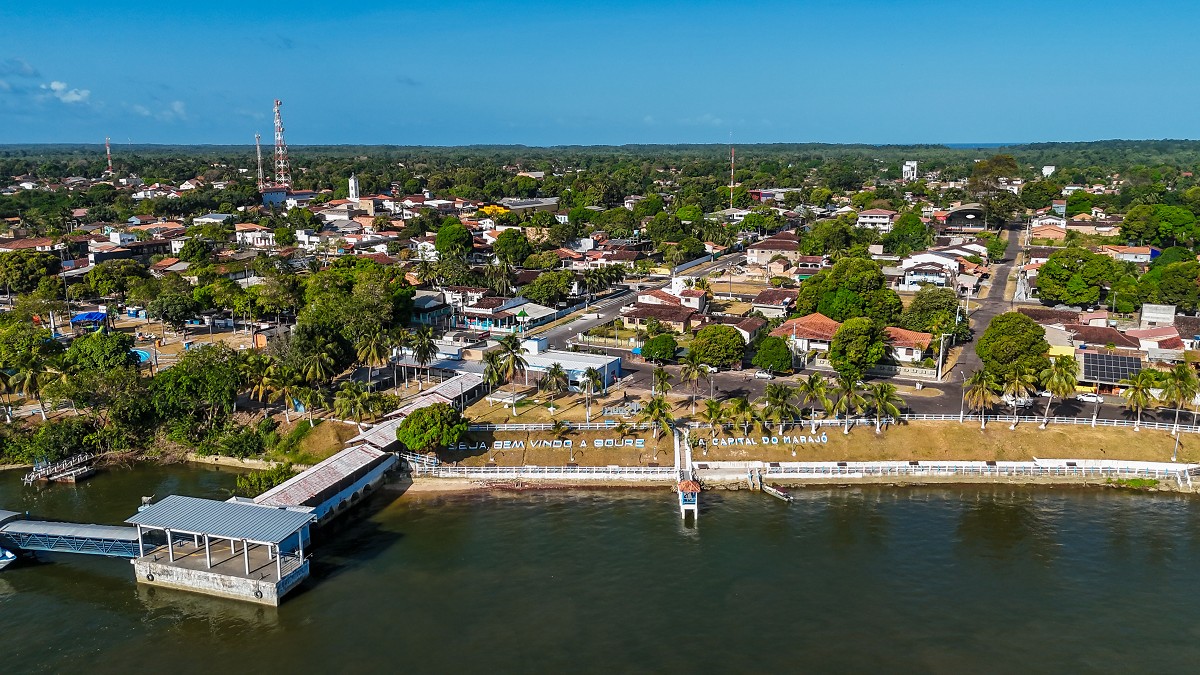
A public meeting was held in Soure, located in the Marajó region of Pará, Brazil, on Friday, March 3rd. The meeting was organized by the Consumer Council of Electric Energy of Pará (Concepa) to address persistent issues with the local electricity supply. Residents gathered to share their experiences with constant power outages, damage to electrical appliances, and difficulties in obtaining compensation from the energy distributor. The primary goal of the gathering was to collect detailed accounts of the problems, which include frequent service interruptions and an unstable power grid. These collected grievances are intended to inform future actions taken by Concepa with both the energy distributor and the National Electric Energy Agency (Aneel). Many residents, like homeowner Denise de Jesus Gonçalves, have faced these energy problems for years, with some reporting issues dating back to 2006. The situation is further complicated when power outages also disrupt the water supply, impacting daily household routines and childcare. Beyond service interruptions, the frequent burning of electrical appliances due to power fluctuations is a significant concern, compounded by the challenges in receiving reimbursements and the quality of customer service provided by the distributor. Concepa's president, public defender Cássio Bitar, emphasized the council's commitment to hearing these concerns and working towards resolutions, inviting all interested individuals to participate in the discussion. The meeting aimed to amplify the voices of Soure's residents and advocate for concrete solutions to the systemic instability affecting the region's power supply.
This public meeting highlights a recurring challenge in energy infrastructure, particularly in remote or less developed regions. The persistent issues of power outages and equipment damage suggest potential systemic weaknesses in the energy distributor's operational capacity, grid maintenance, or investment in resilient infrastructure. The difficulties residents face in seeking redress indicate possible gaps in consumer protection mechanisms and the distributor's accountability frameworks. Moving forward, regulatory bodies like Aneel will need to scrutinize the distributor's performance metrics and service level agreements, potentially necessitating performance-based incentives or penalties. The long-term sustainability of energy supply in such regions may depend on strategic investments in modernized grid technology, distributed generation, or alternative energy sources, aligning with broader trends towards energy resilience and decarbonization in the coming decade.
AI-generated to prompt reflection — not editorial opinion, not advice, not a statement of fact. How this works.