South Africa Averts Widespread Violence During Anti-Migrant Protests
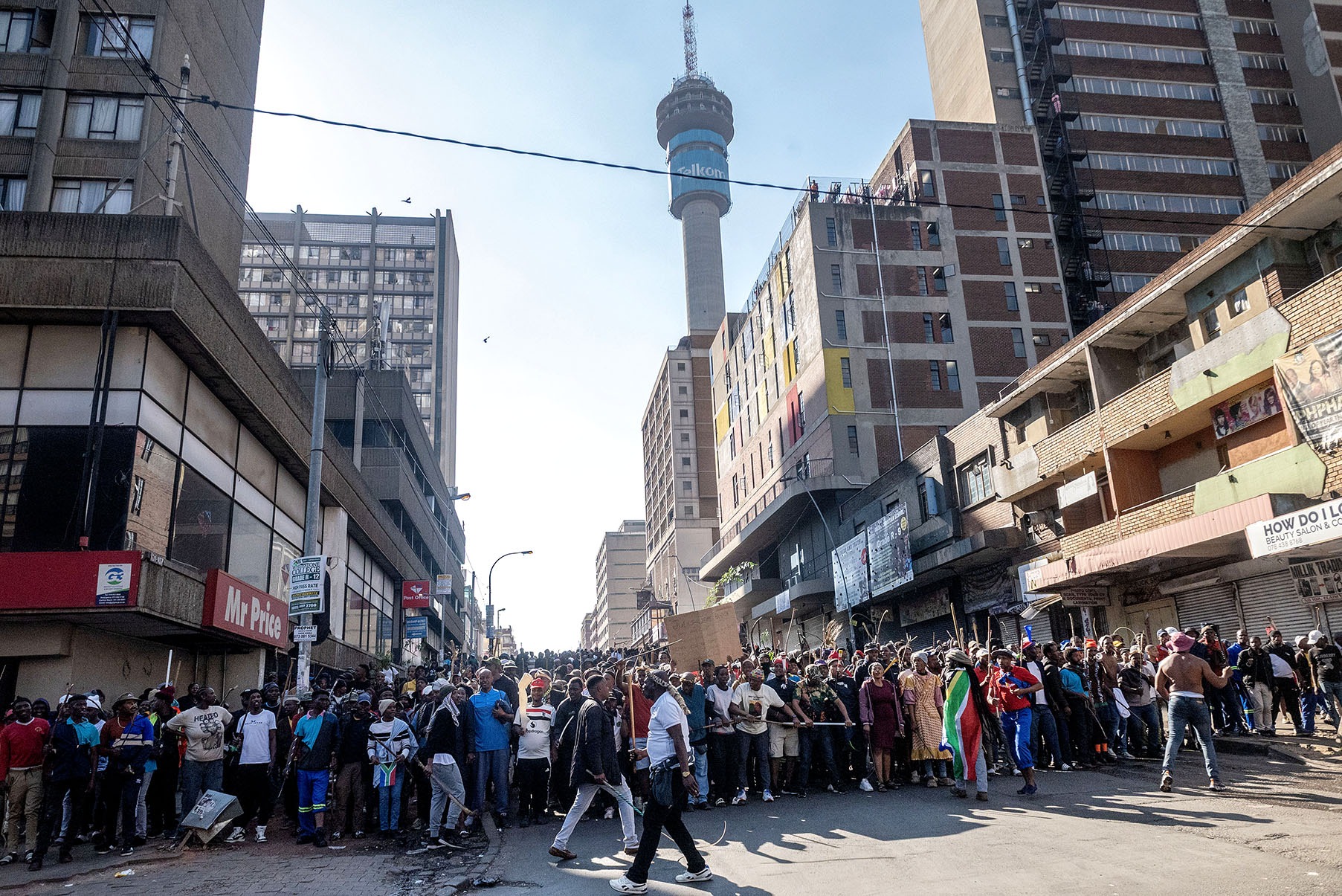
South Africa successfully avoided widespread violence during nationwide protests against undocumented migrants on Tuesday, June 30. The police demonstrated improved readiness, applying lessons learned from previous unrest, including the Marikana incident and the July 2021 riots. This proactive approach appears to have been effective in managing the demonstrations and preventing escalation. The events suggest a more strategic deployment of resources and potentially enhanced communication channels within law enforcement. The country has faced increasing tensions regarding undocumented immigration, leading to such public expressions of discontent. The successful management of these protests marks a significant point, indicating a potential shift in the state's capacity to handle large-scale public disorder. Further analysis will be needed to understand the long-term implications of these improved policing strategies.
The successful de-escalation of protests on June 30, attributed to lessons from Marikana and July 2021, highlights the critical role of adaptive policing strategies. This event underscores how institutional learning from past crises can mitigate future disorder. The application of these lessons suggests a focus on resource allocation and tactical responses to prevent widespread violence. Looking ahead, the challenge for South African authorities will be to sustain this improved capacity while addressing the underlying socio-economic and political drivers of xenophobic sentiment. Continued vigilance and proactive community engagement will be crucial to prevent the recurrence of such tensions and ensure public safety, balancing security imperatives with the rights of all residents.
AI-generated to prompt reflection — not editorial opinion, not advice, not a statement of fact. How this works.