South Africa Faces Sports Funding Crisis Amidst Questionable Spending Priorities
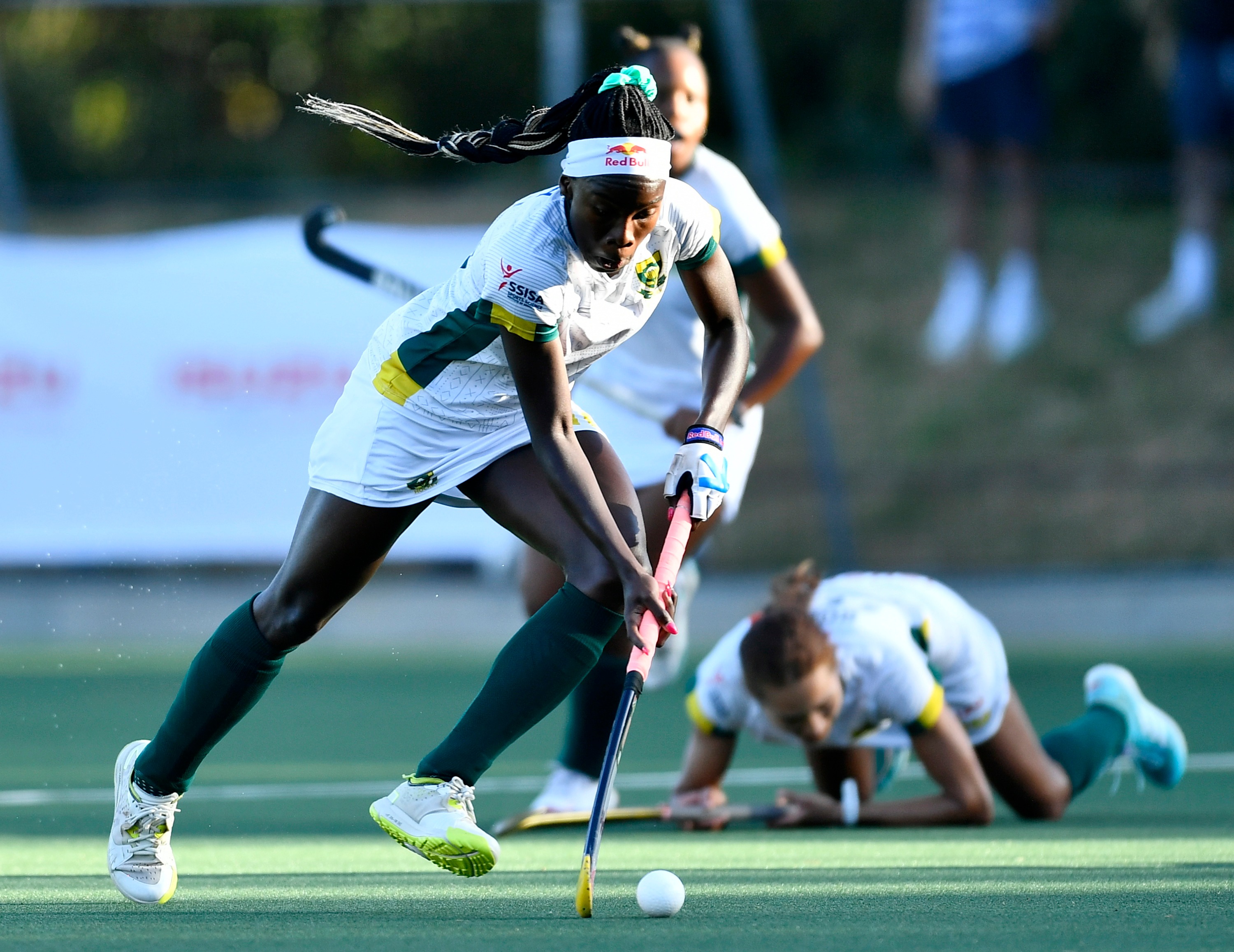
South Africa is grappling with a significant sports funding crisis, brought to the forefront by the government's allocation of R31 million towards a Fifa World Cup nation-building program. This expenditure has sparked considerable debate, particularly as national hockey players are reportedly self-funding their participation in the upcoming World Cup. The stark contrast between the investment in a past global football event and the financial struggles of athletes in other disciplines highlights a perceived misallocation of resources. This situation raises critical questions about the government's priorities in supporting its diverse sporting talent. The nation-building initiative, while aiming to foster national unity through sport, appears to be overshadowing the immediate needs of athletes competing on the international stage. The controversy underscores a broader challenge within the country's sports administration regarding equitable distribution of funds and support for a wider range of sports beyond the most popular ones. The self-funding nature of the hockey team's World Cup journey is a clear indicator of the financial strain faced by athletes in non-mainstream sports.
The South African government's allocation of R31 million for a Fifa World Cup nation-building program, while national hockey players self-fund their World Cup participation, reveals a potential disconnect between stated national development goals and practical resource distribution. This situation prompts an examination of how public funds are prioritized within the sports sector. Incentive structures may favor high-profile, past events or globally recognized sports, potentially at the expense of developing athletes in less prominent disciplines. Looking ahead, a more robust governance framework could ensure that national sports funding strategies foster equitable growth across all sporting codes, aligning with long-term athlete development and international competitiveness rather than short-term, symbolic initiatives. This approach would mitigate risks of talent drain and ensure a broader base of athletic achievement for the nation.
AI-generated to prompt reflection — not editorial opinion, not advice, not a statement of fact. How this works.