South Africa Government Divided on Assisted Dying Constitutional Challenge
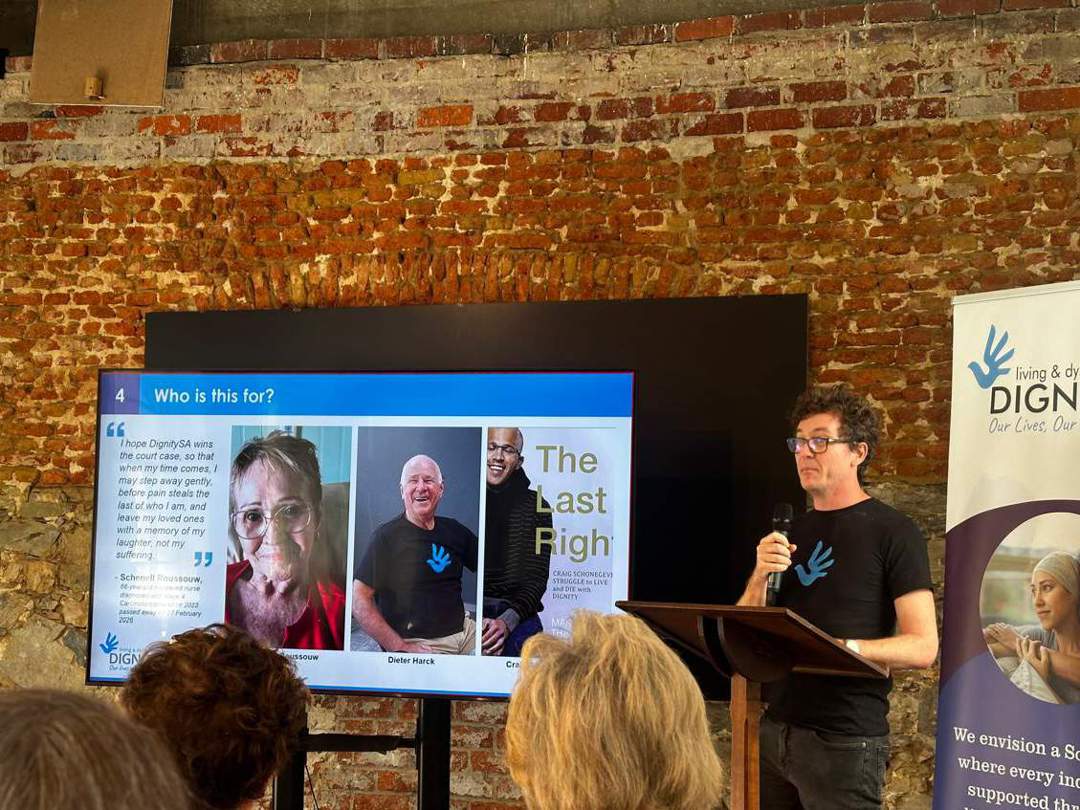
South Africa's protracted legal debate surrounding the right to medically-assisted death for terminally ill patients has escalated, marked by a significant divergence within the government itself. Two crucial government departments have presented opposing stances on the constitutional challenge to existing laws. This internal conflict within the government highlights the deep divisions on the issue, which has been a subject of contention for an extended period. The case centers on whether individuals facing terminal illnesses should have the legal right to opt for a doctor-assisted end to their suffering. The differing departmental positions suggest a complex legal and ethical landscape that the government is navigating. The constitutional challenge aims to redefine the legal framework governing end-of-life choices in South Africa. This development signifies a critical juncture in the ongoing public and legal discourse on assisted dying.
The governmental division on the assisted dying constitutional challenge reflects a common tension between evolving societal values and established legal frameworks. This internal discord presents a complex governance challenge, potentially slowing legislative progress or creating legal uncertainty. The differing departmental stances may stem from distinct interpretations of constitutional rights, public health mandates, or ethical considerations, underscoring the need for a cohesive national policy. As the debate intensifies, South Africa's judiciary will play a pivotal role in interpreting constitutional provisions related to dignity, life, and bodily autonomy in the context of terminal illness. Future policy decisions will likely be shaped by a balance between individual rights, the state's duty of care, and the potential for systemic abuse, all viewed through the lens of an aging global population and advancements in palliative care.
AI-generated to prompt reflection — not editorial opinion, not advice, not a statement of fact. How this works.