South Africa: New HIV Prevention Options Show Promise
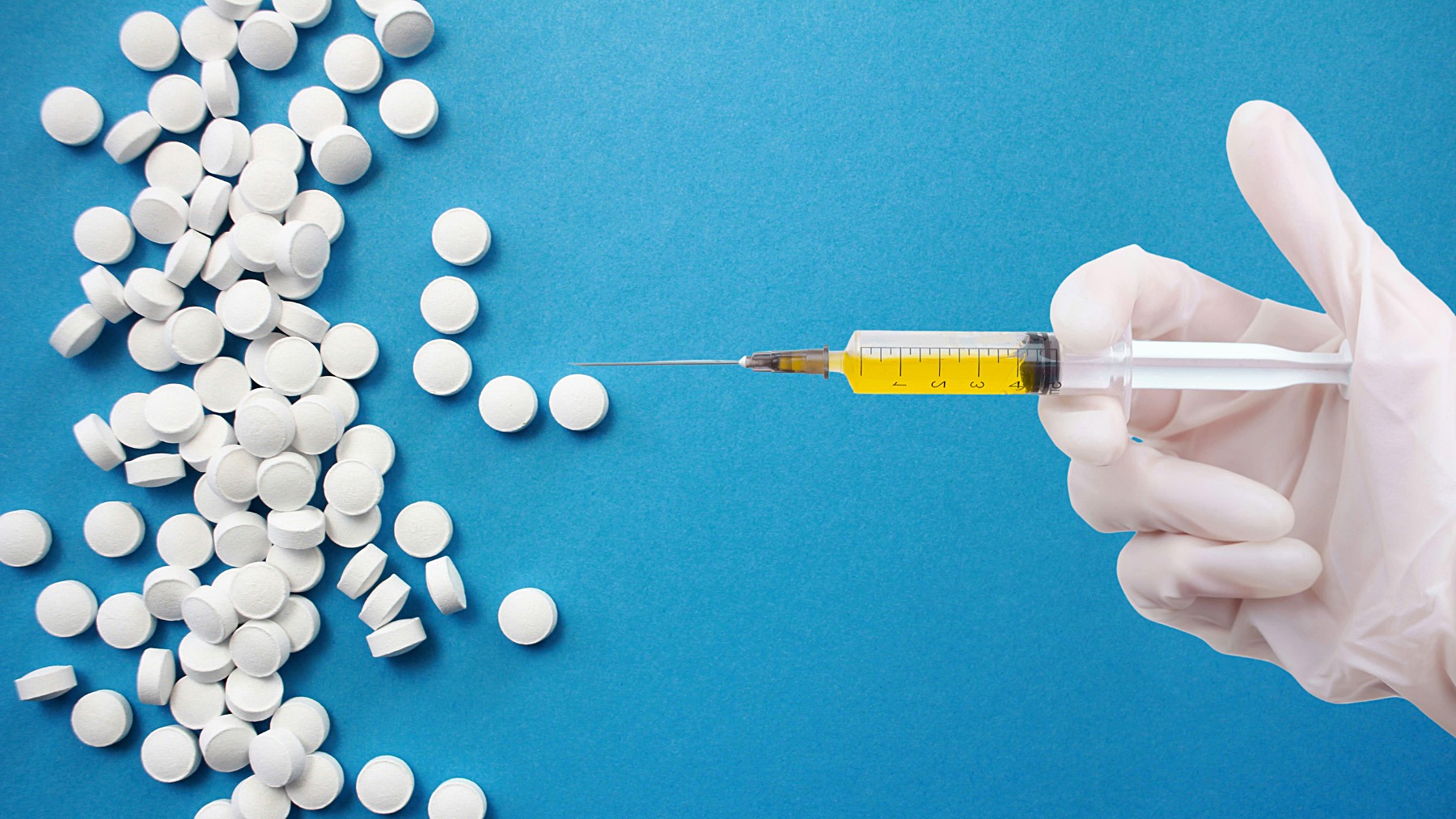
South Africa is on the cusp of potentially significant advancements in HIV prevention. A novel once-a-month pill designed to prevent HIV infection is currently undergoing its final phase of clinical trials. This development comes at a time when early data from the country regarding the uptake of a different preventative measure, an injectable anti-HIV drug administered every six months, is being closely examined.
Researchers and public health officials are observing that the success of these new preventative tools might not solely depend on the scientific innovation of the medicines themselves. Instead, the initial uptake data suggests that offering individuals a wider array of choices for protecting themselves against HIV could be the most crucial factor in increasing their use and effectiveness. This approach acknowledges that diverse preferences and circumstances require varied solutions to combat the ongoing HIV epidemic.
The introduction of multiple HIV prevention methods, including oral pills and long-acting injectables, represents a significant shift towards personalized public health interventions. By offering a broader spectrum of choices, health systems can potentially address adherence challenges associated with daily regimens and cater to diverse user preferences and lifestyles. This strategy aligns with a patient-centered approach, aiming to maximize uptake and efficacy by empowering individuals to select the prevention method that best suits their needs. The success of these interventions will likely hinge on robust distribution networks, ongoing education, and continued research into user experience and long-term effectiveness within the South African context.
AI-generated to prompt reflection — not editorial opinion, not advice, not a statement of fact. How this works.