South Africa's Anti-Corruption Efforts: From Zondo's Revelations to Madlanga's Actions
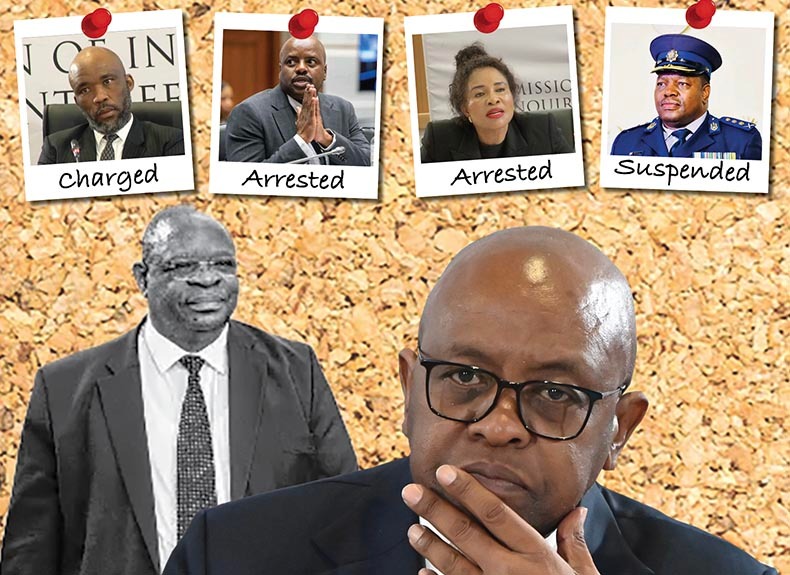
South Africa is witnessing a shift in its approach to combating corruption, moving from extensive documentation to active enforcement. The Zondo Commission, established to investigate state capture, meticulously detailed how state institutions were compromised and how wrongdoers benefited. However, the commission's findings resulted in limited tangible consequences for those implicated.
In contrast, the ongoing efforts, seemingly spearheaded by or associated with Madlanga, are characterized by immediate and decisive actions. This new phase is unfolding concurrently with arrests, suspensions, and the initiation of prosecutions against individuals involved in corrupt activities. This approach signals a more proactive stance, aiming to translate investigative findings into legal accountability and deter future malfeasance.
South Africa's experience highlights a common challenge in anti-corruption efforts: the gap between investigation and accountability. While commissions like Zondo's are crucial for uncovering systemic rot and informing the public, their effectiveness hinges on subsequent enforcement. The transition to a phase marked by arrests and prosecutions suggests a potential recalibration of institutional incentives, prioritizing deterrence and justice. This shift may reflect evolving political will or a response to public pressure for tangible outcomes. The long-term success will depend on the sustainability of these enforcement actions, the independence of the judiciary, and the strengthening of governance frameworks to prevent future capture.
AI-generated to prompt reflection — not editorial opinion, not advice, not a statement of fact. How this works.