South Africa's Anti-Immigrant Crisis: Poverty, Politics, and Jacob Zuma's Influence
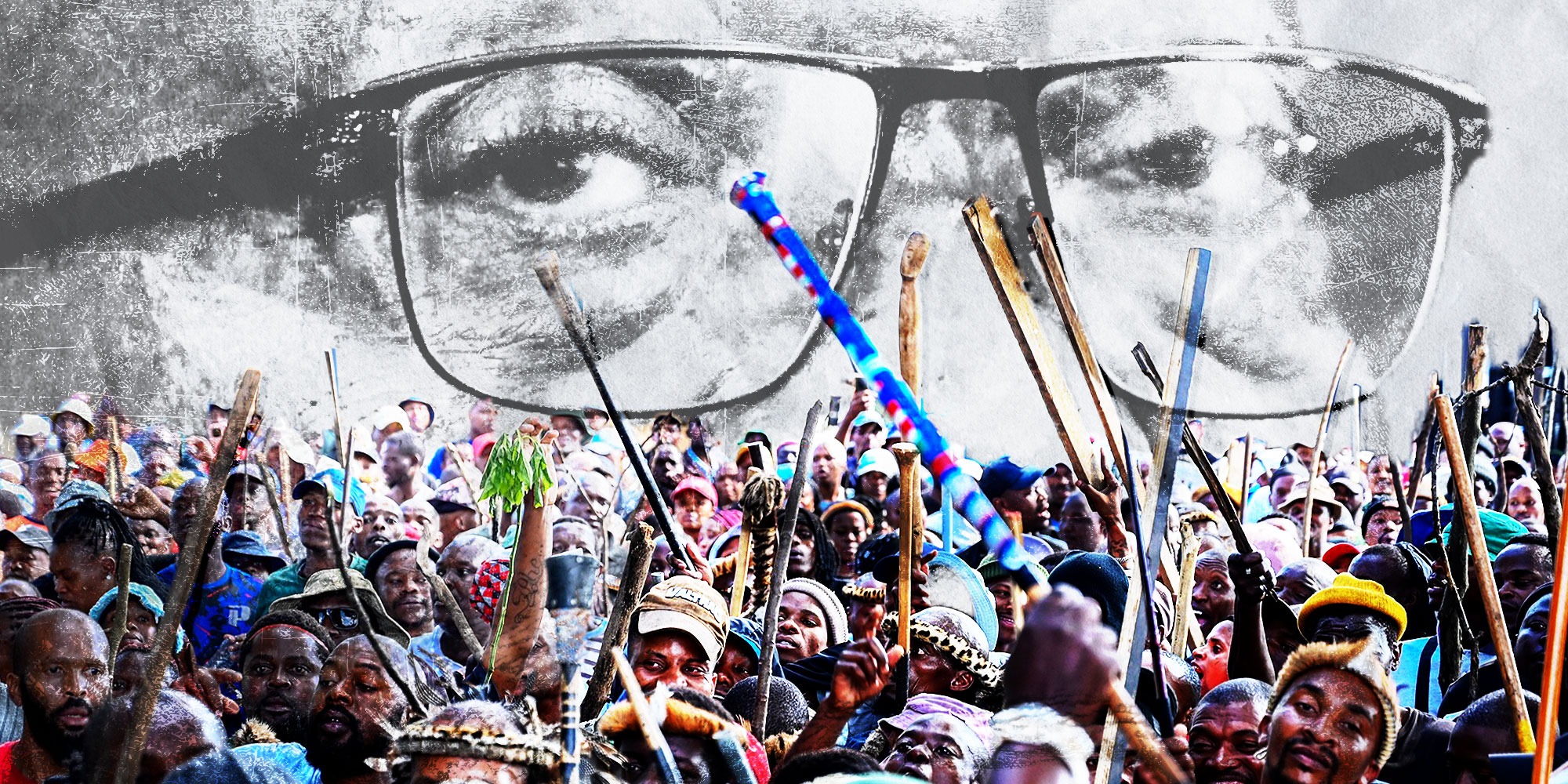
The African National Congress (ANC) is linking former President Jacob Zuma to recent anti-immigrant protests in South Africa. This connection highlights the complex dynamics fueling the nation's migration debate, which extends beyond simple xenophobia. Underlying these tensions are significant challenges related to living standards and the pervasive influence of identity politics. The protests and the ANC's framing of Zuma's involvement suggest a deeper struggle over political narratives and societal anxieties. These issues are being exploited within the political landscape, complicating efforts to address the root causes of both poverty and migration concerns. The situation underscores the intricate interplay between socio-economic conditions, political maneuvering, and public sentiment in South Africa.
The framing of South Africa's anti-immigrant sentiment as a 'crisis' driven by poverty and political machinations, including the alleged involvement of Jacob Zuma, suggests a complex interplay of socio-economic pressures and identity politics. Attributing such broad societal unrest to specific political figures or single issues risks oversimplification. A more comprehensive understanding requires examining the structural factors contributing to poverty and inequality, which can exacerbate social tensions and create fertile ground for xenophobic narratives. The political strategy of leveraging these anxieties, whether by the ANC or other actors, warrants scrutiny regarding its long-term impact on social cohesion and democratic governance. Future policy responses should aim to address the underlying economic disparities and foster inclusive national identities, rather than solely focusing on immediate political blame or containment.
AI-generated to prompt reflection — not editorial opinion, not advice, not a statement of fact. How this works.