South Africa's Correctional System: Moving Beyond Privatization After Mangaung and Kutama-Sinthumule
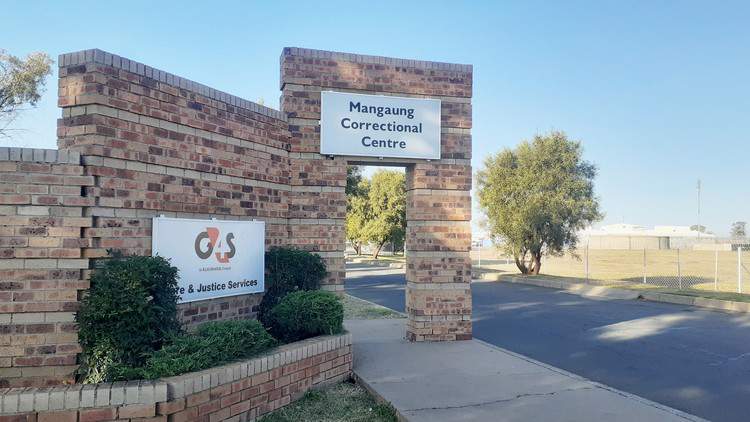
The recent conclusion of the public-private partnerships (PPPs) at the Mangaung and Kutama-Sinthumule correctional facilities signals the end of a significant era in South Africa's correctional system. Kgomotso Anthea Ramolobeng argues that this transition must usher in a new phase characterized by enhanced accountability and a system that better aligns with the principles of South Africa's constitutional democracy. The author suggests that the lessons learned from these privatized facilities should inform future correctional strategies. The focus should now shift towards establishing a more transparent and effective correctional system that upholds the rights and dignity of all individuals within its care. This marks an opportunity to re-evaluate the role of private sector involvement in corrections and to prioritize public interest and constitutional imperatives.
The termination of correctional facility PPPs in South Africa presents an opportunity to reassess the efficacy and ethical implications of private sector involvement in state functions. This shift prompts an examination of whether public accountability mechanisms are inherently stronger within state-run operations compared to those managed under contractual agreements with private entities. Future correctional policy may benefit from analyzing the long-term cost-effectiveness, service quality, and adherence to human rights standards across both public and privatized models. The transition necessitates a robust framework to ensure continued operational stability and the protection of inmate welfare, potentially highlighting systemic governance challenges that require careful management in the evolving landscape of public service delivery.
AI-generated to prompt reflection — not editorial opinion, not advice, not a statement of fact. How this works.