South Africa's Criminal Justice System Requires Radical Overhaul, Not Just Reset
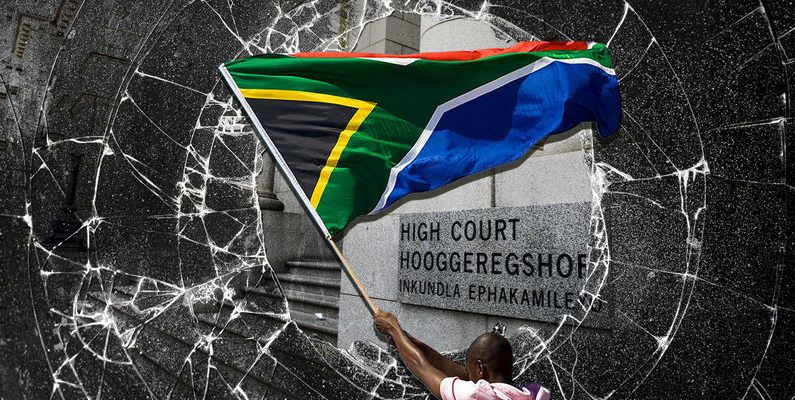
South Africa's criminal justice system is fundamentally broken, requiring a complete revolution rather than incremental changes. Justice Minister Mmamoloko Kubayi and National Prosecuting Authority head Andy Mothibi recently pledged to 'reset' the Investigating Directorate Against Corruption within six months. However, this proposed adjustment is deemed insufficient to address the deep-seated issues plaguing the system. The current state of affairs indicates a systemic failure that demands more profound and transformative solutions. The call for a revolution suggests that the existing structures and processes are inadequate to deliver justice effectively. This implies a need for a comprehensive re-evaluation and restructuring of the entire criminal justice apparatus. The urgency of the situation points towards a critical juncture where significant reform is paramount for the restoration of public trust and the effective functioning of the rule of law.
The commitment to 'reset' the Investigating Directorate Against Corruption within six months, while a stated intention to improve functionality, may not address the systemic weaknesses inherent in South Africa's broader criminal justice framework. A 'reset' often implies adjustments to existing processes or personnel, which could prove insufficient if the core issues stem from structural deficiencies, resource allocation, or underlying governance challenges. The call for a 'revolution' suggests a perceived need for more fundamental reforms that could involve legislative changes, technological integration, or a complete reimagining of how justice is administered. Evaluating the long-term efficacy of such initiatives will depend on whether they tackle the root causes of inefficiency and corruption, rather than merely addressing symptoms. The next decade's focus on technological advancement and data-driven governance may offer new avenues for reform, but only if accompanied by robust political will and a commitment to systemic transformation.
AI-generated to prompt reflection — not editorial opinion, not advice, not a statement of fact. How this works.
